


Divided Opinions on US Troop Deployment in Nigeria
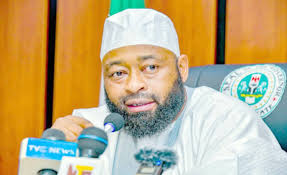
Political leaders in northern Nigeria are expressing contrasting views on the recent deployment of US troops aimed at combating insecurity in the region. While some, including Senator Abdul Ningi and Dr. Ousmane Bugadje, have raised concerns over the implications and execution of the deployment authorized by the Trump administration, others assert that the ongoing violence necessitates any form of international support to restore stability.
Political Landscape Influenced by Security Issues
This debate emerges in the context of intensified political discourse leading up to the 2027 general elections. Analysts suggest that public sentiment regarding the presence of foreign troops may significantly sway voter behavior, particularly in northern Nigeria, creating a complex political scenario for leaders and parties alike.
Military Operations Spark Controversy
The discussion escalated following US air and ground operations in December 2025 in the Tangaza Local Government Area of Sokoto State. These actions targeted suspected bandit hideouts and were the result of coordinated intelligence efforts between Nigerian and US security agencies. Such operations exemplify the intricacies involved in foreign military involvement in Nigeria, a nation grappling with security challenges for years.
Nigerian Government’s Position on Foreign Assistance
Nigerian authorities have historically limited foreign military engagement to training, intelligence sharing, and logistic support. However, the surge in banditry, kidnappings, and insurgency in the northwest and northeast regions has compelled the federal government to pursue deeper operational collaboration with the US. This deployment represents one of the largest instances of international military assistance to Nigeria since the previous decade’s war against Boko Haram.
Strategic Benefits and Political Risks of US Support
In an exclusive interview, Yerima Shettima, National President of the Arewa Youth Consultative Forum, highlighted the dual nature of this decision. He noted that while President Bola Tinubu’s endorsement of US troop presence could bolster national security efforts, it also risks alienating crucial voter segments in the north. The president’s ability to navigate these political dynamics will be pivotal as the elections approach.
Impact of Security Challenges on Political Choices
Shettima emphasized that the interplay between foreign policy and domestic politics will significantly influence the political narrative surrounding Tinubu’s administration. He warned of the potential fallout if the declining security situation in northern Nigeria is not expeditiously addressed, emphasizing the high stakes involved for both the president and the nation.
Mixed Public Sentiments on Troop Deployment
Opinions among political leaders diverge. Anthony Sani of the All Progressives Congress contended that the presence of US troops aligns with the public’s long-standing desire for external assistance in managing the deteriorating security landscape. He acknowledged the contentious issue of sovereignty but noted that many citizens prioritize restoring peace and normalcy over nationalistic sentiments.
Meanwhile, concerns persist regarding the escalation of violence in the northeast, highlighted by the recent assassination of two Nigerian officers. For many residents, the reassurance provided by US military involvement contrasts sharply with the perceived inadequacy of their response to ongoing threats. The community’s desire for safety and stability remains paramount, creating a pressing need for effective action.
