


New Discoveries Revolutionize Understanding of Iron Metallurgy in Sub-Saharan Africa
The history of iron metallurgy in sub-Saharan Africa has confounded scientists for years. Recently uncovered archaeological sites in eastern Senegal provide significant insights into this ancient technological evolution.
Remarkable Find in Senegal’s Fareme Valley
Archaeologists have unearthed an impressive ironworks workshop in Senegal that functioned continuously for nearly 800 years, from the 4th century BC to the 4th century AD. This discovery offers a valuable glimpse into how early African societies produced and maintained iron, illuminating a critical aspect of their cultural and technological heritage.
Contributions to Metallurgical Evolution
Research spearheaded by the University of Geneva is enhancing our understanding of the origins and development of metallurgy in sub-Saharan Africa, an area previously marked by a lack of evidence and considerable scholarly debate. This discovery could significantly alter perceptions regarding whether African iron technology evolved independently or was influenced by external regions.
Details of the Iron Smelting Workshop
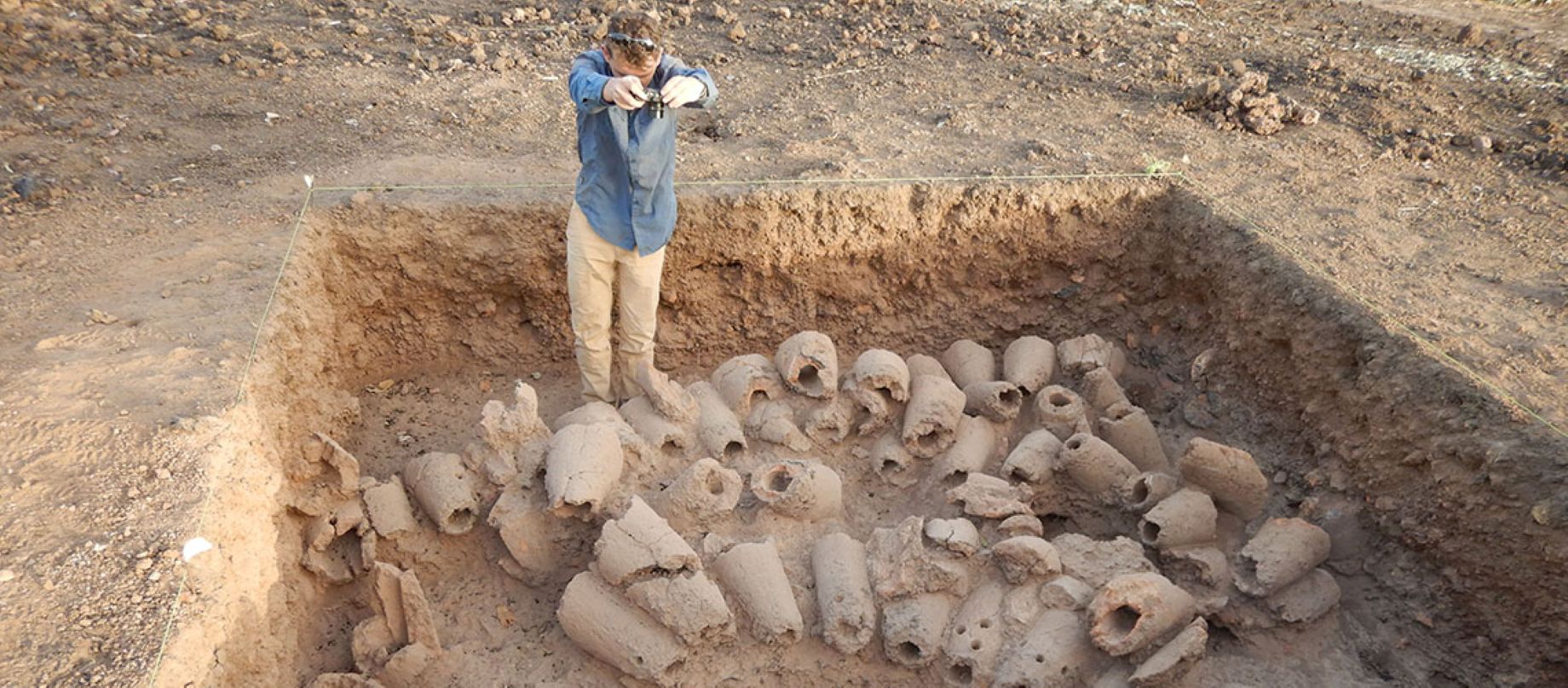
In 2018, archaeologists identified a remarkably well-preserved iron smelting workshop at the Dide West 1 (DDW1) site near the Fareme River Valley. Key features of the workshop include a sizable accumulation of approximately 100 tons of slag, a semicircular arrangement of around 30 used tuyeres (clay tubes that direct air into the furnace), and 35 circular furnaces, each approximately 30 cm deep. The scale of production suggests it catered to local demands, particularly for agricultural tool manufacturing.
Significant Insights from Preservation
Melissa Morrell, a postdoctoral researcher at the African Research Institute for Archeology and Anthropology (ARCAN) at the University of Geneva, emphasized the uniqueness of the site due to its exceptional state of preservation, historical significance, and distinctive technical features. The site presents an invaluable opportunity to study the continuity and adaptation of iron-smelting techniques throughout history.
Linking Ancient Techniques to Modern Practices
Since 2012, researchers have examined both ancient and contemporary practices among potters and blacksmiths in the Fareme Valley, uncovering traditional iron smelting methods. At the DDW1 site, specific characteristics in the layout and furnace design are indicative of the FAL02 heritage. The findings include small round furnaces with removable chimneys and large clay tuyeres, which utilized multiple small openings connected by side ducts, effectively dispersing air to the furnace base. A unique feature of this site was the use of palm seeds as packaging material, a technique never documented before.
Further Investigations Across Senegal
The research team is expanding their investigations throughout Senegal to compare various smelting methods and gain a deeper understanding of how iron production dispersed across the region. To date, only 12 well-documented sites from the 1st millennium BC exist across West Africa, highlighting the significance of these ongoing studies.
As archaeologists meticulously sift through slag and clay remnants, they reconstruct a portrait of ancient metalworkers who artfully combined fire, earth, and creativity. Although the furnace itself was small, its historical impact is profound and enduring.
Reference: Morel, M., Lamott, P., Dianifaba, L. et al. Early and long-term evolution of iron smelting technology at Dide West 1, Fareme Valley, eastern Senegal. Afr Archaeol Rev (2026). DOI: 10.1007/s10437-026-09653-z
