


Documentary Chronicles Mennonite Immigration Journey
A newly produced documentary highlights the experiences of University of Winnipeg students and other participants who took part in a reenactment of the Immigration Centennial. Dr. Eileen Friesen, an associate professor of history at the University of Winnipeg, remarked on the uniqueness of this immersive experience, saying that while memorials often pay tribute, reenacting the journey brings it to life in an unparalleled way. This inspired her to document the journey in film.
The Last Laender Migration Captures a Pivotal Voyage
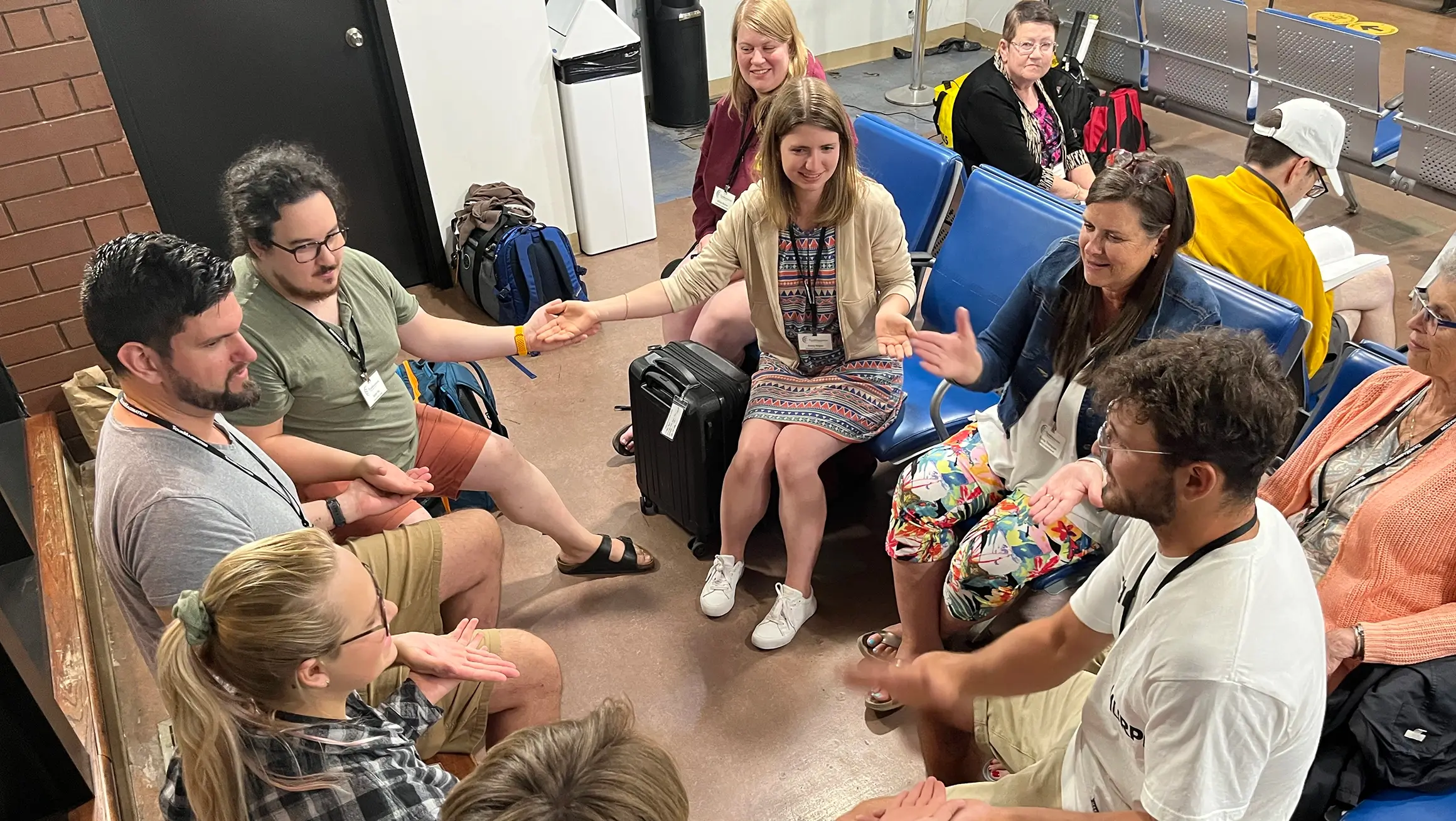
The documentary, titled The Last Laender Migration: From Revolution to Remorse, follows a train journey from Quebec to British Columbia. This journey commemorates a similar historical trek that occurred a century ago, when approximately 21,000 Mennonites immigrated to Canada from the Soviet Union during the 1920s. Organized by the Canadian Mennonite Historical Society, the 2023 reenactment was described by University of Winnipeg graduate Theo Loewen as “a combination of history, travel, and learning.”
Engaging Students through Experiential Learning
Loewen shared her enthusiasm for the project, emphasizing her identity as both a Mennonite and a passionate history enthusiast. She was among a select group of University of Winnipeg students who received funding to participate in the third leg of the train journey and attend various educational events along the route. Throughout the reenactment, thousands participated in events, including a song festival at the Centennial Concert Hall and a two-day conference held at the University of Winnipeg.
Interaction with Historians Enhances the Experience
Dr. Friesen noted the excitement radiating from students during this hands-on learning experience. They had the unique opportunity to interact with historians aboard the train, as well as fellow participants who shared personal family stories connected to this significant immigration movement.
Academic Collaboration Enriches the Narrative
The Center for Transnational Mennonite Studies at the University of Winnipeg collaborated with Mennonite Historical Societies from Quebec, Ontario, Manitoba, Saskatchewan, Alberta, and British Columbia to bring an academic depth to the reenactment. Dr. Friesen highlighted the importance of student engagement with community history, stating that such initiatives foster meaningful conversations and promote the study of historical complexities.
Personal Stories Intertwined with Historical Themes
For Dr. Friesen, the journey resonated on a personal level as her grandparents experienced a similar path. She pointed out the intertwining of personal history and larger narratives, including immigration policy and settler colonialism. The documentary aims to shed light on themes that have often been overlooked in past representations of Mennonite history.
Understanding the Dual Nature of History
Both reenactments and documentaries serve as innovative avenues for storytelling, allowing for a more nuanced representation of the past. Dr. Friesen emphasized that understanding history includes acknowledging not only the journeys undertaken by immigrants, but also the broader impact of those arrivals on Indigenous communities in Canada.
Personal Reflections from a Historical Perspective
Loewen gained profound insights from her participation in the reenactment, reflecting on the hardships faced by her ancestors. She shared the story of her great-grandmother, who survived numerous challenges during the early 20th century, ultimately finding peace in Canada after World War II. This journey allowed Loewen to visit the site where her great-grandmother had settled, deepening her connection to her family’s past.
Documentary Now Available for Public Viewing
Following screenings across Canada, including one at the University of Winnipeg, The Last Laender Migration: From Revolution to Remorse is now available on YouTube, offering viewers a chance to engage with this significant historical narrative.
