


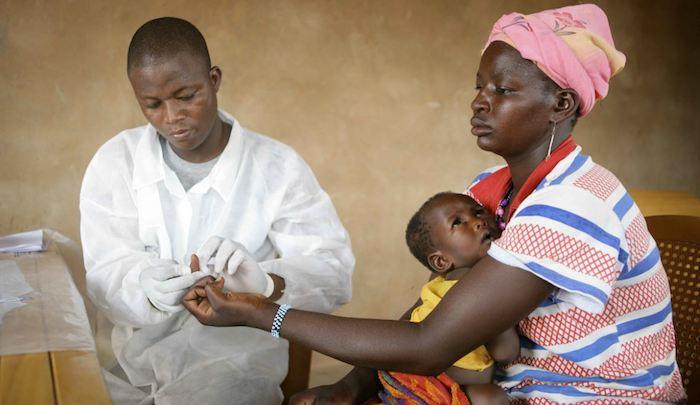
Challenges of Maternal Healthcare in Nigeria
Experts warn that motherhood can be perilous when healthcare access is primarily dictated by financial means, particularly for low-income women. These individuals bear the weight of childbirth and childcare in an environment marked by significant challenges.
Rising Costs and Delays in Care
Throughout Nigeria, escalating healthcare costs combined with inadequate public funding are compelling pregnant women to postpone or forgo necessary medical care. This trend is exacerbating maternal health outcomes and elevating rates of preventable deaths nationwide.
Personal Stories Highlight Systemic Failures
For many women, these broader systemic issues lead to profoundly personal and often tragic circumstances. Dambola Olorunsola, a 45-year-old resident of Abuja, shared her preference for visiting traditional midwives, stating that their services are free. Chinonso Egemba, co-founder of AwaDoc, recalled a close childhood encounter with a woman who suffered from breast cancer but concealed her illness due to the unaffordable costs of hospital treatment, ultimately succumbing to the disease.
The Financial Burden of Medical Treatments
The stark reality is that for numerous Nigerian women, healthcare expenses are not merely a hurdle but indicative of critical systemic failures that can mean the difference between life and death. According to Promise Ihejie, Chief Operating Officer of the Breast Cancer Association of Nigeria (BRECAN), treatment for breast cancer can range between ₦5 million and ₦40 million, influenced by the complexity of care and the facilities utilized. Favor Gideon, who recently had surgery for uterine fibroids at a private hospital in Ibadan, recounted that her procedure cost over one million naira, emphasizing the financial stress associated with healthcare in Nigeria.
Alarming Maternal Mortality Statistics
In 2023, Nigeria is projected to account for nearly 29% of all maternal deaths globally, translating to approximately 75,000 fatalities. The country’s maternal mortality rate stands at 993 deaths per 100,000 live births, starkly contrasting the global average of 117, as reported by the World Health Organization. This concerning trend largely affects low- and middle-income countries, intensifying the alarm among experts.
The Impact of Economic Barriers
Health data analyst Zainab Oyeniyi emphasized that economic obstacles impede women’s access to quality healthcare in Nigeria. She noted that women frequently delay or avoid antenatal care, skilled birth attendance, and critical obstetric emergencies due to financial constraints. Nurse Wendy echoed these sentiments, indicating that systemic disparities contribute to preventable fatalities among women, exacerbating Nigeria’s already high maternal mortality rate.
Root Causes and Their Broader Impact
The financial barriers to quality healthcare have wide-reaching implications. Women play a pivotal role in Nigeria’s informal trade and agricultural sectors; however, chronic illnesses or complications arising from childbirth can remove them from the workforce, ultimately affecting the country’s GDP. Nurse Wendy pointed out infrastructural inadequacies—such as high transportation costs, lack of available medications, and opportunity costs—that impede care access, further deepening the maternal health crisis.
Paths Toward Improvement
Experts advocate for comprehensive reforms, including the expansion of compulsory health insurance, strengthening primary health centers, and initiating free maternal care programs. They emphasize the importance of reducing out-of-pocket expenses and increasing government healthcare investments. Zainab stressed the necessity of accurate health data to inform interventions, asserting that emergency obstetric care should not hinge on a woman’s financial situation. Initiatives implemented in countries that offer free maternal and child health policies have shown tangible benefits in health outcomes.
Empowering Women Through Comprehensive Healthcare
Dr. Hasmi Okpanachi highlighted that women’s empowerment and holistic healthcare are vital for reducing maternal mortality. Strategies such as skills development, subsidies for women’s health, promoting education among girls, and educating men about prioritizing women’s health can foster more effective healthcare solutions.
