


ECOWAS Engages CEEC to Enhance Regional Energy Infrastructure
Michael Olugbode in Abuja
The Economic Community of West African States (ECOWAS) has initiated talks with the China Department of International Energy Cooperation (CEEC) aimed at enhancing collaboration to develop regional energy infrastructure. This partnership seeks to broaden electricity access and fortify power systems throughout West Africa.
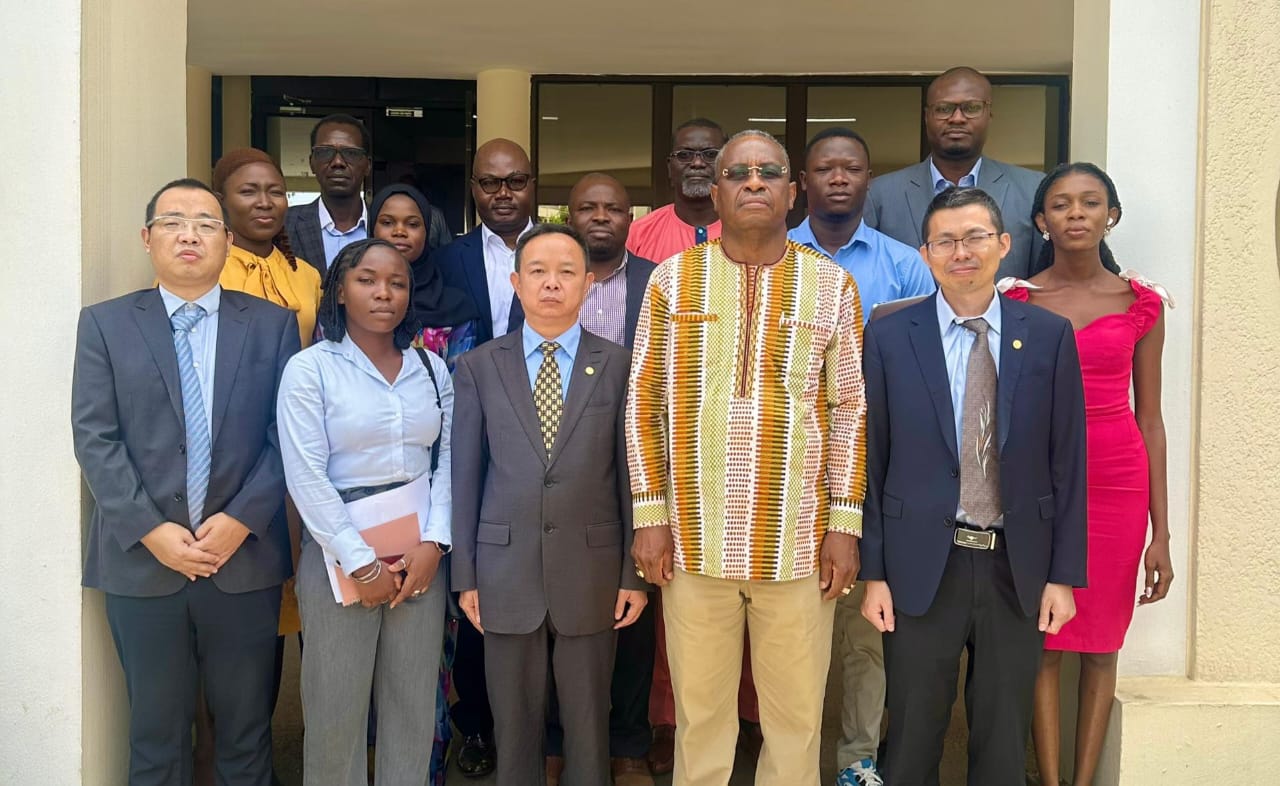
This initiative emerged during a recent conference in Abuja, Nigeria, where officials from the ECOWAS Energy and Mines Directorate convened with CEEC representatives to further dialogue on key energy projects within the region.
The meeting also welcomed participants from the West African Power Pool (WAPP), an organization responsible for the coordination of electricity generation and transmission across West African nations. Collectively, they explored various opportunities for enhancing regional power connectivity.
Discussions during the session revolved around reviewing an extensive portfolio of initiatives, assessing technical capabilities, and identifying potential financing channels. These elements are critical in promoting growth within the region’s power sector and supporting broader infrastructure development.
William Baidor, ECOWAS’s Acting Director-General for Energy and Mines, highlighted the agency’s commitment to improving energy access across the region. Key projects include efforts to expand the electricity grid and develop energy storage systems, both essential for enhancing the stability and reliability of electricity supply.
WAPP’s Director of Planning, Investment Planning, and Environmental Protection, Kojo Afidenon, provided insights into the status of priority projects under the ECOWAS Master Plan for Power Generation and Transmission Infrastructure Development (2019-2033). Noteworthy initiatives discussed included the CLSG interconnection project linking Ivory Coast, Liberia, Sierra Leone, and Guinea; a no-core project connecting Nigeria, Niger, Burkina Faso, and Benin; the OMVG interconnection linking Senegal, Gambia, and Guinea-Bissau; as well as the Medium Backbone Project connecting Nigeria, Benin, Togo, Ghana, and Ivory Coast.
Afidenon pointed out the substantial financing and investment opportunities these projects offer to development partners and international energy companies, highlighting the strategic importance of these initiatives for regional growth.
Discussing CEEC’s role, General Manager Huang Aijun emphasized the organization’s expertise in both conventional and renewable energy, grid expansion, power planning, and transmission infrastructure development. He reiterated CEEC’s commitment to supporting ECOWAS priority projects through technical assistance and access to a variety of funding sources.
Both parties committed to maintaining close collaboration on established projects to monitor development progress and uncover specific areas for cooperation. ECOWAS underscored that these discussions represent ongoing efforts to forge strategic partnerships and attract investments aimed at improving electricity access. By strengthening grid reliability and promoting sustainable infrastructure development across West Africa, this initiative is set to have a lasting impact on the region’s energy landscape.
