


California and Other States Challenge Major Television Merger
California, along with seven other states, has filed an emergency motion to halt a partnership between broadcasters Nexstar and Tegna that would create the largest local television station operator in the United States.
The motion for a temporary restraining order came soon after the Federal Communications Commission (FCC) and the Department of Justice approved the $6.2 billion deal. The eight attorneys general acted swiftly, expressing their concerns regarding the implications of the merger.
Nexstar and Tegna have not provided comments regarding the legal actions taken against them. The states involved—California, Colorado, Illinois, Oregon, New York, North Carolina, Connecticut, and Virginia—argue in their lawsuit that the merger contravenes federal antitrust laws and poses a risk of increased costs for consumers.
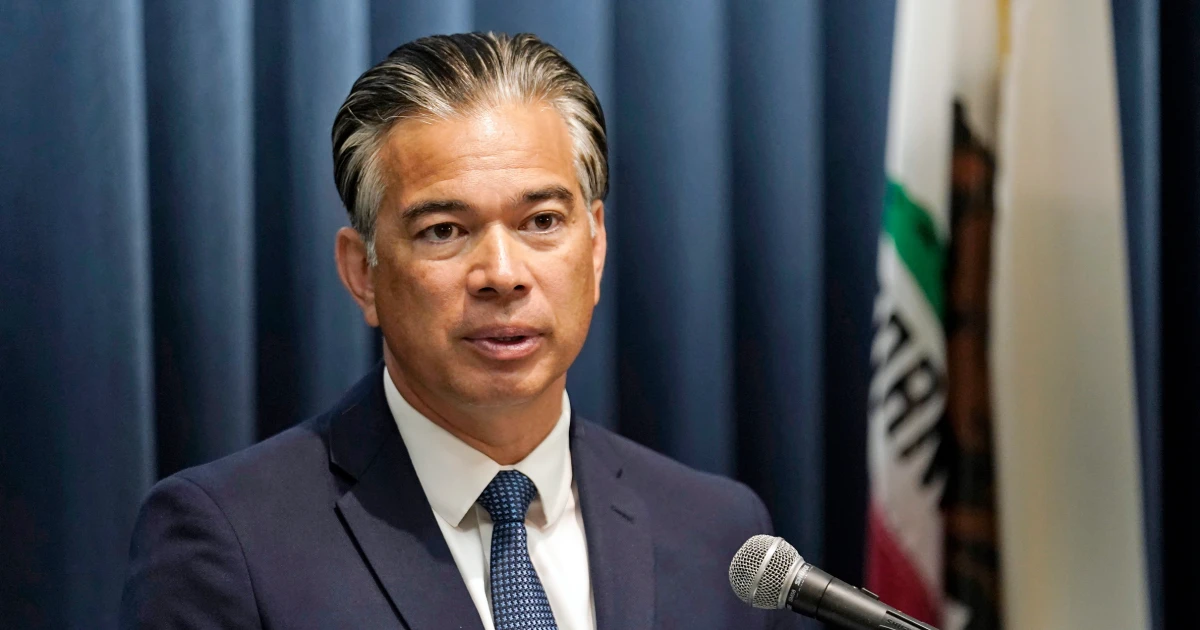
California Attorney General Rob Bonta criticized the approval granted under the previous administration, stating that it prioritizes corporate interests over those of the public. He emphasized that this merger is illegal and undermines consumer protections, vowing to take action against the deal.
Nexstar announced that it had received the necessary regulatory approval for the merger. While the FCC confirmed the details of the agreement, the Department of Justice did not return requests for further comment.
FCC Chairman Brendan Kerr defended the agency’s decision to waive a federal rule that restricts a single company’s reach to no more than 39% of U.S. households, noting that the combined assets of Nexstar and Tegna would exceed 60%. He maintained that this decision aligns with the FCC’s longstanding commitment to foster competition and diversity in broadcasting.
Anna M. Gomez, the lone Democrat on the FCC, took issue with the approval process, expressing concerns over the lack of transparency and accountability. She condemned the approval as a bureaucratic maneuver conducted without public scrutiny or a full committee vote.
President Trump publicly supported the merger, describing it as a necessary measure in the face of what he terms “Fake News.” His endorsement highlights the growing pressure local TV operators face from digital competitors like Netflix and TikTok, as they vie for viewer attention and advertising revenue.
State attorneys general contend that the consolidation resulting from the merger would centralize media ownership, jeopardize local jobs, raise costs for cable subscribers, and adversely affect the dissemination of news. Bonta noted that two significant media markets in California—Sacramento and San Diego—would be particularly impacted, as the merged entity would control local affiliates for major networks like Fox, ABC, and CBS.
Nexstar operates 201 stations across 116 television markets, while Tegna runs 64 full-power broadcast stations and a number of radio outlets. Kerr mentioned that Nexstar has committed to divesting some of its stations in order to comply with regulatory requirements.
In recent months, state attorneys general have become increasingly active in addressing antitrust issues within the media sector. They have previously sought to challenge corporate consolidation, as seen in their motions related to the merger of Live Nation and Ticketmaster, which were eventually settled by the DOJ. Additionally, Bonta’s office is examining the implications of Paramount Skydance’s acquisition of Warner Bros. Discovery, which could merge two iconic Hollywood studios and unify CNN with CBS News under one corporate umbrella.
