


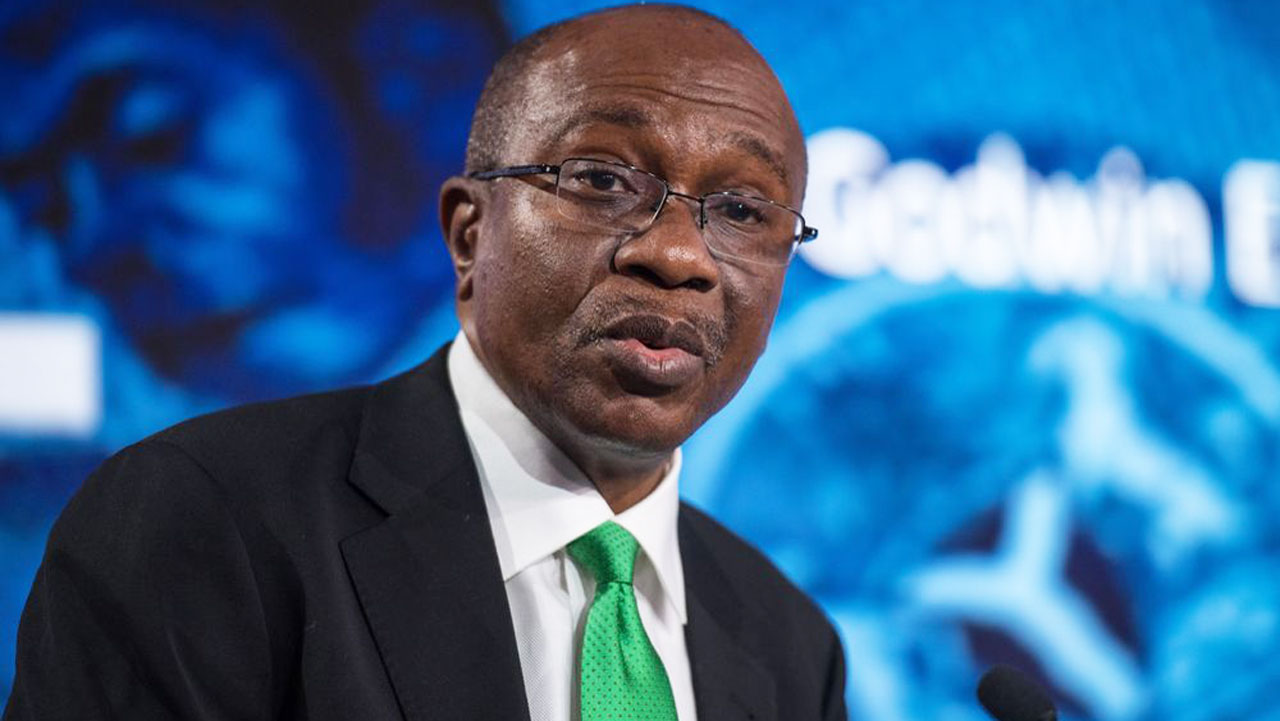
Political Drama Surrounds Nigeria’s Central Bank Governor
Recent events surrounding Godwin Emefiele, the Central Bank of Nigeria (CBN) governor, have taken a theatrical turn, blending humor with frustration. As the financial landscape wavers like a high-stakes game of chance, Emefiele’s political ambitions draw global attention, prompting rigorous scrutiny of both the stock market and the stability of the Nigerian Naira.
Influence of Political Machinations
The unfolding drama, described by some as an unsettling political intrigue, centers on Emefiele, whose aspirations have been dubbed “Meffy2023” by a confidant. This narrative, orchestrated by powerful figures, raises questions about the intertwining of finance and politics in Nigeria. Despite completing over 35 years in the banking sector, Emefiele often continues to be perceived as inexperienced by business moguls and seasoned investors alike.
Challenges Faced During Tenure
When President Muhammadu Buhari assumed office in 2015, Emefiele had only been at the helm of CBN for a year. Many within Buhari’s administration viewed the previous leadership of the Peoples Democratic Party (PDP) with skepticism, leading to speculation about potential changes in CBN’s management. Rumors of a plot to suspend Emefiele swirled, but influential politicians reconsidered, seeking to engage closely with the nation’s financial stewards to avoid potential fallout.
Establishing Credibility
Amid unverified claims of potential alienation, Buhari’s inner circle recognized Emefiele’s capable demeanor and expertise. His efforts in implementing interventionist monetary policies solidified his standing with the administration. Under Emefiele’s leadership, CBN adopted various fiscal strategies including multiple exchange rates and a gradual currency devaluation, aligning closely with Buhari’s economic model, famously known as “Buharinomics.”
Navigating Political Tensions
While Emefiele’s various decisions—ranging from restricting imports to supporting border closures—reflected compliance with the Buhari government, they also opened him up to criticism. Many felt that his loyalty to the regime indicated a departure from the apolitical stance traditionally associated with a central bank governor. Nonetheless, as Buhari’s tenure continued, Emefiele was reappointed, defying widespread expectations of a change in leadership.
Presidential Aspirations Ignited
Fast forward to 2023, Emefiele emerged as a potential successor to Buhari, stirring speculation and skepticism alike. Many observers expressed disbelief over the idea that he could transition from a figure implicated in a “corrupt regime” to a contender in a newly perceived “virtuous” political landscape. Critics doubt his political acumen, arguing that any personal ambitions could compromise the already fragile economic stability.
Legal and Ethical Controversies
The intrigue deepened when allegations surfaced regarding Emefiele’s violation of the CBN Act, which mandates complete dedication to the bank’s affairs, preventing engagement in external employment. A controversial incident occurred when Emefiele was linked to a purchase by the Rice Farmers Association of Nigeria of over N100 million needed for his presidential nomination, prompting widespread public outcry. He later claimed to await divine guidance on how to proceed amidst calls for his resignation or retreat from political ambitions.
Community and Political Pushback
As opposition grew, prominent figures—including Ondo State’s Governor Rotimi Akeredolu—called for Emefiele to step down, warning that his candidacy while serving as CBN governor poses serious risks to Nigeria’s democracy and economy. Civil society organizations echoed these sentiments, demanding his immediate resignation to uphold the integrity of Nigeria’s monetary policy framework. The ongoing scrutiny reflects deep concern over the central bank’s role and responsibilities amid rising political tensions, probing whether Emefiele’s ambitions might destabilize the nation’s already precarious economic situation.
