


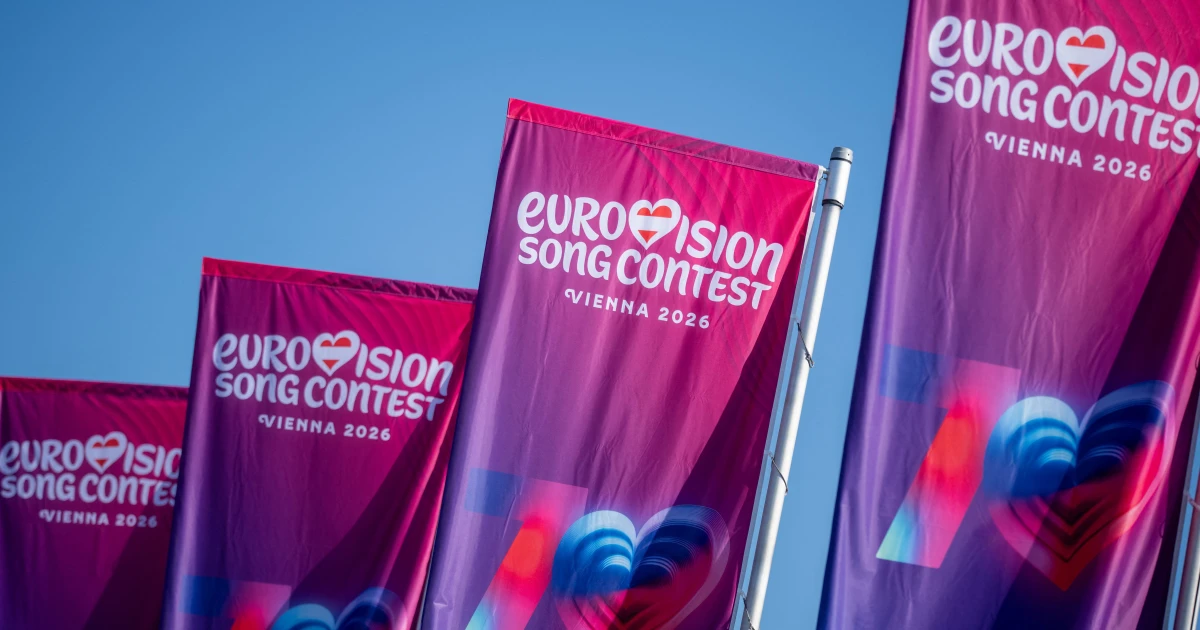
Eurovision Song Contest Launches in Asia
The stage is set for a new era in music competition as the Eurovision Song Contest heads to Asia. Organizers announced on Tuesday that the inaugural Eurovision Song Contest Asia will take place on November 14 in Bangkok, Thailand.
Participating Countries Show Diverse Representation
Among the ten countries confirmed to participate is South Korea, a key player in the global music industry. Other participants include Bangladesh, Bhutan, Cambodia, Laos, Malaysia, Nepal, the Philippines, Vietnam, and the host nation, Thailand. Organizers are optimistic about expanding the list of participating countries in the coming months.
Format Yet to Be Revealed
While the specific rules for the Asia contest are still under wraps, the established format of the original Eurovision will likely be mirrored. In the traditional contest, each participating broadcaster selects an artist to perform an original song, limited to three minutes. Notable artists such as ABBA, Celine Dion, and Olivia Newton-John have seen their careers soar after competing in Eurovision.
Significance of Expansion into Asia
Martin Green, the director of the Eurovision Song Contest, emphasized the importance of this expansion, stating that it marks a cultural milestone. He expressed excitement about celebrating the 70th anniversary of the contest by introducing it to a region rich in artistic creativity and talent.
Challenges of Geopolitical Tensions
The addition of an Asian contest is not without its challenges. Recent years have seen the original Eurovision overshadowed by geopolitical disputes, such as Russia’s exclusion following its invasion of Ukraine, and ongoing conflicts involving Israel, Armenia, and Azerbaijan. As tensions persist in Asia, including recent disputes between Thailand and Cambodia, the event may face similar divisive issues.
Potential for a Massive Audience
The idea of an Asian version of Eurovision has been in circulation since at least 2008 but has yet to gain significant traction. Organizers project that this inaugural event could attract an audience of over 600 million viewers, significantly eclipsing the 166 million who tuned in for the most recent Eurovision in Europe, according to the European Broadcasting Union. However, launching a new television tradition poses challenges in a digital age where viewing habits are rapidly evolving.
Reviving Historical Concepts in Music Competitions
In a related effort, Russia recently sought to revive the Intervision Song Contest, historically an alternative to Eurovision, though viewership numbers remain unclear. The upcoming 2026 edition of this contest is set to be held in Riyadh, Saudi Arabia. Additionally, the attempt to create an American Song Contest aired on NBC in 2022 but did not return for a second season, despite its winner, K-pop singer Alexa from Oklahoma, competing for Sweden’s entry in this year’s Eurovision.
