


Understanding the Complexity Behind Calorie Calculations
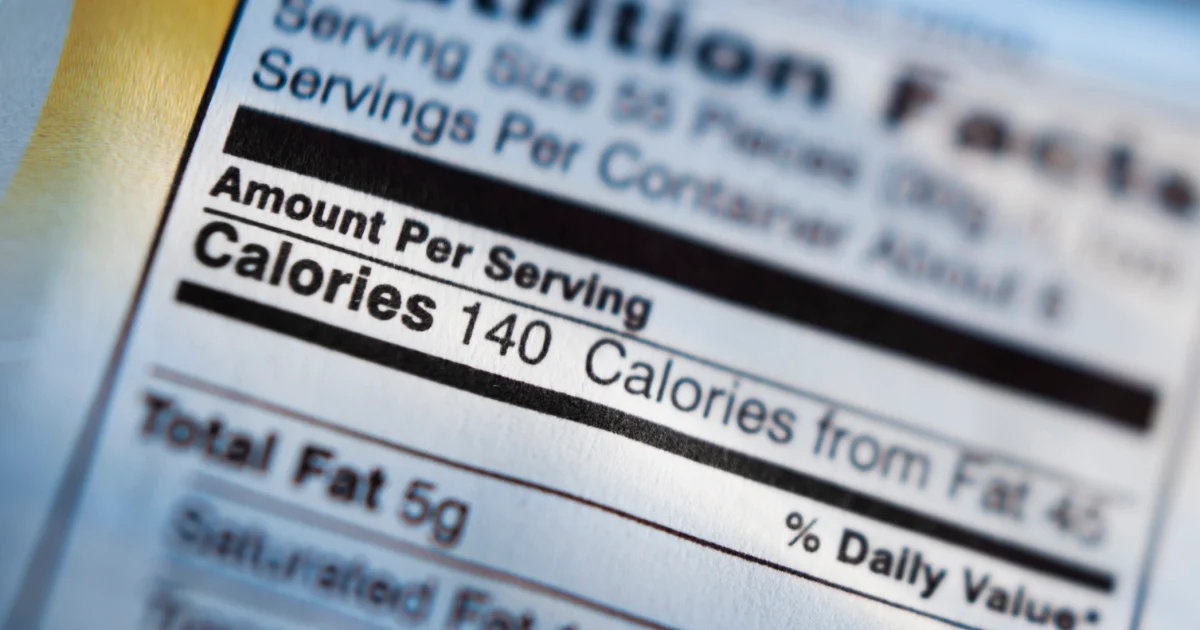
The process of determining the calorie count in your favorite snacks is more complex than many people realize. Since the Food and Drug Administration (FDA) implemented standardized nutrition labels in 1990, which included calorie counts per serving, obesity rates in the U.S. have surged. To address this issue, the FDA mandated a rule change in 2016, requiring calorie counts to be prominently displayed in bold lettering on nutrition labels.
The Challenge of Calorie Accuracy
How reliable are these calorie counts? Currently, the protein bar brand David’s is embroiled in a lawsuit over claims that its products contain nearly double the calories stated on their labels. The company’s founder asserts that the independent testing indicated flawed methods were used for calorie measurement, and that the alternative fats utilized in their bars are less calorically dense than traditional fats, which contain approximately nine calories per gram.
The Variability in Nutrient Absorption
Experts in nutrition highlight the significant variability in how individuals digest and absorb nutrients, which can lead to discrepancies in calorie counts. The FDA permits a margin of error of up to 20% when calculating calories. For instance, if a frozen meal is labeled at 500 calories, it could actually contain as much as 600 calories and still comply with regulations. Lindsey Moyer, a registered dietitian at the Center for Science in the Public Interest, emphasizes this variability in digestion.
Factors Influencing Caloric Energy from Food
Dr. Zhaoping Li, director of clinical nutrition at UCLA, points out that several factors influence how much energy one derives from food, such as the efficiency of the stomach’s digestion, the absorption in the small intestine, and the energy utilized by the microbiome in the large intestine. This interplay can create a significant gap between the caloric content mentioned on packaging and what is actually absorbed by the body.
Methods for Measuring Calories in Food
The gold standard for measuring energy in food is the bomb calorimeter. This method involves sealing food in steel containers filled with pressurized oxygen, which are then ignited in a water-filled insulated box. Scientists calculate the calories by measuring the temperature change in the water after combustion. However, Marion Nestle, an esteemed nutrition professor, notes potential shortcomings, as not all components of food are absorbed by the body—only those that pass through the intestinal wall count as calories. For example, calories derived from fiber are not included.
Estimating Calories with the Atwater Coefficient
Food manufacturers often rely on the Atwater coefficient for a straightforward estimation of calories, which assigns specific calorie counts to macronutrients like fat, carbohydrates, and protein. Carbohydrates and proteins each contain about 4 calories per gram, while fat has around 9 calories per gram. Although this method provides a reasonable estimate, Nestle emphasizes that precise calculations are inherently approximative.
Fibers and Their Contribution to Caloric Absorption
Some foods are challenging to digest, resulting in fewer actual calories absorbed than those indicated on their labels. For instance, plant-based foods with tough cell walls may provide lower caloric intake. Moyer elucidates that individuals typically derive fewer calories from these foods than what is calculated. Almonds serve as a prime example; almond butter provides more calories than whole almonds due to the increased digestibility. Studies from the USDA have also shown that foods like whole almonds, lentils, and chickpeas can have fewer digestible calories than labeled.
The Reliability of Nutrition Labels
Research examining the accuracy of nutrition labels on packaged foods remains limited, and the FDA does not conduct tests on every item available in the market. Moyer advises consumers to practice caution, suggesting that if a nutrition label appears too good to be true, it likely warrants further scrutiny. Comparing similar products can help identify inconsistencies. Understanding that no company can precisely determine caloric content to the last digit further underscores the essence of informed consumerism.
