


Mental Health Takes Center Stage in Education
Estela Zarate, Dean of Education at Loyola Marymount University (LMU), emphasizes the escalating importance of mental health within schools and communities. Engaging with school leaders, administrators, teachers, and faculty, she notes that the mental well-being of students has become increasingly pressing.
Community Leaders Gather to Address Youth Mental Health
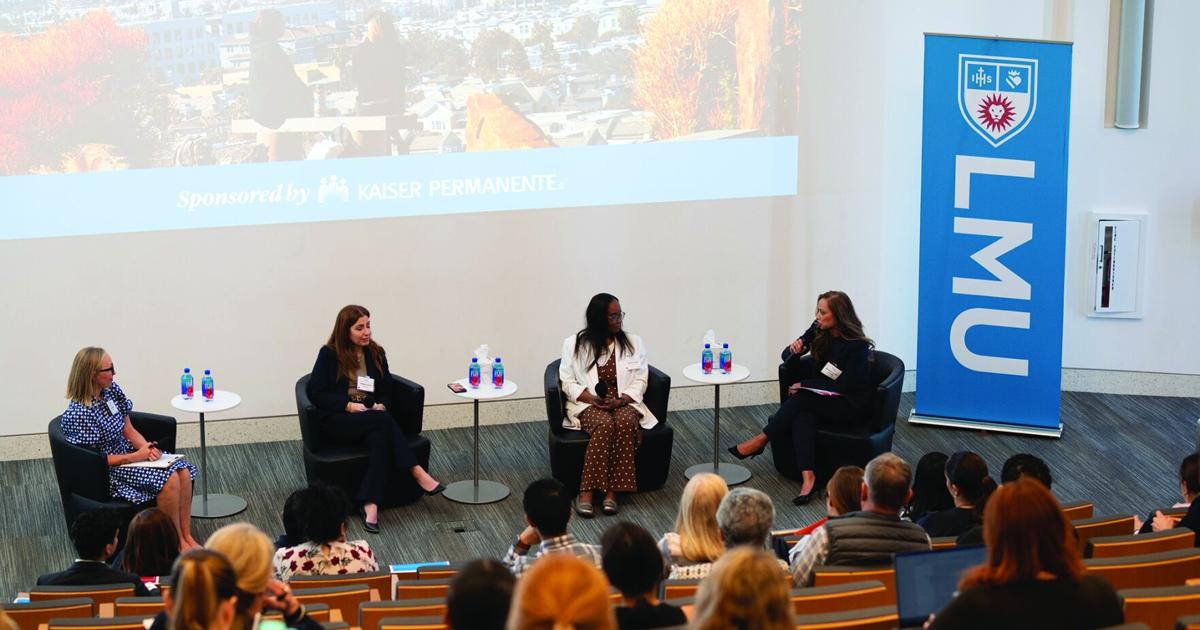
On March 12, a diverse group of K-12 principals, educational leaders, policymakers, clinicians, district partners, and various stakeholders convened at LMU’s Life Sciences Building. Their discussion focused on the impact of federal immigration enforcement actions on both children and adults, highlighting a significant area of concern in mental health.
Long-Term Effects of COVID-19 on Youth Mental Health
Zarate acknowledged that while many had hoped for a collective return to normalcy following the COVID-19 pandemic, the reality is more complex. “The effects of COVID-19 are long-lasting,” she stated. “This has opened new pathways for stress to impact mental health, particularly among youth, who are particularly susceptible to global challenges like the climate crisis and immigration issues.”
Increased Demand for Mental Health Support in Schools
Evidence suggests that there is a rising demand for mental health support in both K-12 and higher education. Zarate attributes this shift partly to a generational change in the acceptance of discussing mental health issues, as well as broader societal events affecting students’ outlooks on their future.
The Impact of Immigration on Mental Well-Being
One panel at the gathering specifically highlighted the effects of immigration on young people’s mental health. Featured speakers included Angelica Salas, Executive Director of CHIRLA, who has been instrumental in supporting families impacted by deportation. “The staff working on the ground are not only affected themselves; the families they help are also experiencing immense stress,” Zarate noted.
Community Resistance as a Source of Hope
Margarita Luna, a strategic implementation leader at the California Endowment, emphasized the significance of local resistance to immigration enforcement. Zarate explained that demonstrating community solidarity can bolster mental health by providing hope and support, evidenced by initiatives like grocery deliveries and community volunteers assisting families in safely walking their children to school.
Preparing Mental Health Workforces in Educational Settings
The latter part of the event focused on equipping school and community-based mental health workforces to meet urgent needs. Panelists included Virginia Castro, superintendent of Lawndale Elementary School District, and Lakisha Clark, principal of Orville Wright Middle School. They discussed the necessity of building robust mental health support systems within educational institutions.
Zarate concluded by stressing the importance of integrating mental health resources within schools rather than relying on outsourced services. “It’s essential for schools to serve as centers for mental health and wellness,” she asserted. “We need to empower teachers to act as first responders to trauma, given their close interactions with students. Enhancing teacher training to recognize and address early signs of distress is crucial for fostering better mental health outcomes among youth.”
