


Nigeria’s Rice Policy Built on Misconceptions
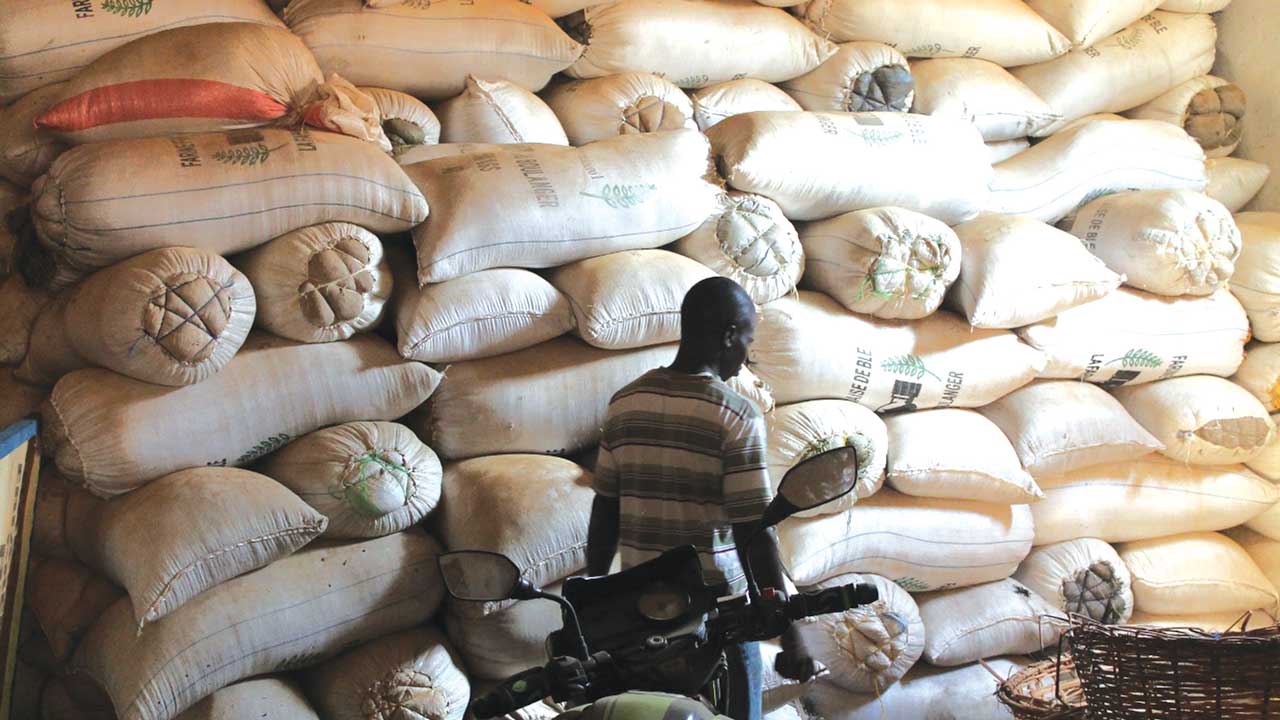
The foundation of Nigeria’s rice policy is fundamentally flawed, relying on inaccurate assumptions about the benefits of rice imports. The prevailing belief is that by importing rice from nations such as Thailand, Nigeria is supporting those countries’ economies while undermining its own. This misguided premise informs policy decisions, leading to a cascade of errors that further exacerbate the economic situation.
The Illusion of Import Pricing
Nigeria does not pay the full market price for Thai rice imports, thanks to substantial subsidies provided by the Thai government to its rice producers. A notable example is former Thai Prime Minister Yingluck Shinawatra’s misguided attempt to stimulate prices by paying farmers 50% above market rates, which ultimately resulted in losses of up to $12 billion. This policy inadvertently benefited countries like Nigeria, allowing them to purchase rice at $450 per ton and export it for $380 per ton. Such actions are not borne out of goodwill but rather reflect the complexities of global trade.
Understanding Economic Dynamics
To illustrate the broader economic implications, consider a simplified scenario involving a single individual’s budget. If this woman earns $100 per month and allocates her income across five essential sectors—food, housing, transportation, telecommunications, and entertainment—any decrease in income will adversely affect the sustainability of those sectors. For instance, if her income drops to $80, the ramifications will extend beyond mere numbers, leading to potential job losses and industry collapse. This precarious balance is crucial for understanding how rising costs can diminish economic diversity and stability.
Thailand’s Economic Advantages
In contrast to Nigeria, Thailand has cultivated a diversified economy that thrives on tourism, agriculture, and entertainment. Thai billionaires, like the CP family, play a genuine role in job creation, employing half a million people. This stands in stark contrast to Nigeria, where wealth accumulation often results from resource extraction without corresponding economic development. Observers visiting Thailand are struck by the affordability of food, with the average household spending merely 17% of its income on it. Comparatively, Nigerian households allocate an alarming 59% of their income to food, highlighting economic inefficiencies.
The Consequences of Food Expenditure
The implications of high food expenditure are stark. For example, according to Deloitte, Thais can allocate 24% of their income for leisure and savings, whereas many Nigerians struggle with basic needs. In Nigeria’s film industry, a production costing 60 million Naira might not yield any profit, risking the livelihoods of countless contributors. The more income a consumer dedicates to food, the narrower their financial space for other economic activities, stifling growth across multiple sectors.
Government Policies Compounding Economic Strain
The ruling party, APC, exacerbates these challenges by adhering to misguided policies that raise food prices for citizens. While the Thai government subsidizes rice for Nigerians, the local government levies punitive tariffs that further inflate costs. The aim appears to favor domestic farmers at the expense of affordable food for consumers. This focus on self-sufficiency may culminate in a homogenized agricultural economy, severely limiting Nigeria’s potential for diverse economic growth.
The Future of Nigeria’s Economic Landscape
Such flawed economic rationale permeates the APC’s policies, suggesting a bleak outlook for the next four years. With initiatives like Trader Moni being touted as the primary relief for struggling citizens, one must question the efficacy of such measures in addressing systemic issues. As President Buhari begins his second term, the nation’s economic trajectory remains uncertain, leaving many hoping for alternative solutions to the ongoing challenges.
