


Exploring the Potential of a $40 Smartphone in Africa
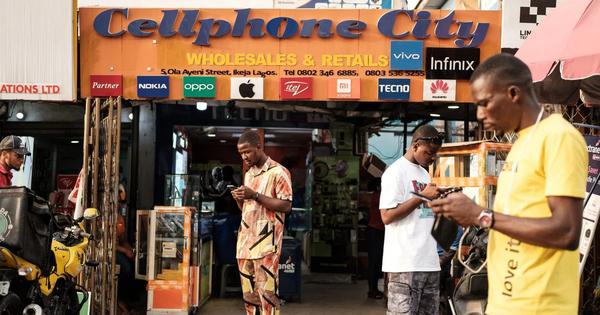
The GSMA, which advocates for the mobile communications industry, has announced an ambitious initiative aimed at revolutionizing digital access in Africa. On March 3, the organization revealed a partnership to launch a $40 smartphone in countries including Congo, Ethiopia, Nigeria, Rwanda, Tanzania, and Uganda by 2026. This move aims to connect millions of people to the internet and provide them with essential services.
Addressing the Digital Divide
Despite living in areas with mobile coverage, approximately 960 million Africans currently lack access to the internet. This stark statistic suggests that affordability of devices is a more significant barrier than infrastructure itself. Counterpoint Research notes that a 4G smartphone priced at $40 is just marginally higher—around 10%—than the global average for feature phones, making it an attractive entry point for many.
The Challenges of Low-Cost Smartphone Manufacturing
Nevertheless, experts warn that creating and scaling up ultra-cheap smartphones is fraught with challenges. The average price of smartphones worldwide has surpassed $400, leading to numerous failed attempts at lower-cost alternatives over the past decade. Factors such as poor economic viability, technology constraints, and broader ecosystem issues have contributed to these setbacks.
Redefining Specifications for Accessibility
As Stephen Aswal, the managing director at The Big Phone Store, points out, achieving the $40 price point requires a smartphone that incorporates minimal features: a compact display, limited RAM and storage, an older 4G chipset, and a basic camera, all while running a streamlined version of Android. The challenge lies in ensuring that the device remains user-friendly, durable, and available at scale.
Collaborative Efforts for Success
To bolster this initiative, the GSMA has united major mobile operators, including Airtel, Vodafone, and Orange, alongside global organizations like the World Bank Group and the International Telecommunication Union. Their collective effort underscores the need for a strategic approach to manufacturing and distributing these entry-level smartphones.
Learning from Past Experiments
Historically, endeavors to launch ultra-low-cost smartphones have faltered. A notable case is the 2016 Freedom 251 smartphone in India, which, despite initial excitement, ultimately collapsed due to a flawed business model and operational failures. Even more sensible initiatives, such as Mozilla’s $25 Firefox phone and Google’s Android One, were unable to compete with slightly more expensive smartphone options from brands like Xiaomi and Realme.
The Need for Supportive Policies
The demand for more affordable smartphones in Africa remains evident, with four out of five devices sold in the region priced under $200. Companies like Itel have entered this market with budget-friendly options, such as the A60, launched in 17 African nations for less than $100. However, the pathway to establishing an affordable smartphone ecosystem could benefit significantly from government interventions, such as eliminating taxes and import duties on budget devices, as emphasized by GSMA’s Vivek Badrinath.
