


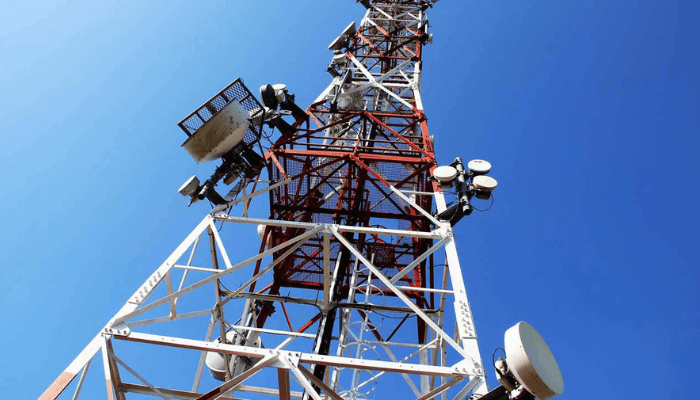
Nigeria’s Telecommunications Landscape: Balancing Growth and Accountability
The Nigerian telecommunications sector is a vital pillar of the country’s economy, navigating the complexities of regulation, competition, and technological advancement. Central to this ecosystem is the Nigerian Communications Commission (NCC), which plays a pivotal role in shaping the industry’s dynamics while balancing growth and consumer protection. The NCC works to promote competition and innovation, implementing frameworks that ensure a sector that is both responsive and accountable.
Challenges Facing Major Operators
Despite their significant advancements, telecom giants like MTN Nigeria, Globacom, Airtel Nigeria, and 9mobile are grappling with increasing operational expenses, infrastructural challenges, and the rising expectations of consumers. These major players continue to invest in expanding their coverage and enhancing service offerings, which are essential for Nigeria’s ongoing digital transformation. However, the road ahead is fraught with difficulties, including heightened costs and threats to infrastructure security.
Infrastructure Woes and Consumer Demands
Underlying the surface of progress are severe distortions. The demand for data is growing exponentially, with fibre-optic lines often facing vandalism and interruptions. Furthermore, with rising energy prices complicating operations, expanding network infrastructures remains challenging. While urban centers witness significant connectivity, rural areas languish in silence, presenting a paradox of development in Nigeria’s growing economy.
Globacom’s Strategic Focus on Infrastructure
In contrast to its competitors, Globacom is pursuing a more focused strategy aimed at reinforcing infrastructure. While many in the industry chase scale, Globacom is concentrating on the depth of its services. By expanding its fibre network and enhancing urban connectivity, the company is effectively building a more cohesive digital fabric throughout Nigeria. This investment not only improves latency but also transforms a mere service into a seamless experience that fosters consumer trust.
Empowering Economic Opportunity
Globacom’s pricing strategy serves a dual purpose: improving access and democratizing connectivity. By making telecommunications affordable, the company enables traders, students, and artisans across Nigeria to harness the power of connectivity. This transformation positively impacts numerous sectors, from healthcare through telemedicine to education, creating a more resilient foundation for small and medium-sized enterprises in the digital realm.
Policy Alignment with National Economic Goals
Nigeria’s telecommunications sector aligns closely with President Bola Ahmed Tinubu’s vision for economic growth. As the nation aspires to reach a $1 trillion economy, robust digital infrastructure is no longer supplementary but fundamental. Essential advancements in fintech, e-government initiatives, smart agriculture, and digital healthcare hinge on the strength of telecommunications. Without resilient networks, these aspirations risk remaining unfulfilled.
The Need for Cooperative Engagement
Collaboration between telecom operators and regulatory bodies like the NCC is increasingly vital. The NCC’s foresight in access to spectrum and service quality benchmarks lays the groundwork for responsible innovation. Additionally, Globacom’s engagement with local governments in negotiating land use and regional infrastructure development highlights the collective effort necessary for sustainable progress. The evolution towards 5G technology signifies more than just an upgrade; it marks a transformative era for connectivity, where data is the lifeblood of the economy.
The Balancing Act of Progress and Trust
Despite these encouraging developments, a cautionary note persists. The sustainability of the telecommunications sector is contingent upon striking a balance between profitability and public trust, innovation and inclusivity, and regulatory rigor coupled with operational flexibility. Transparency, responsiveness, and integrity in service delivery are critical components that will define this digital evolution. If stakeholders can successfully navigate these challenges, the telecommunications industry could spearhead Nigeria’s economic recovery, ensuring that its victories are recognized and celebrated.
Ibea Yoka, a public affairs analyst, writes from Abuja.
