


Immigrant Detention Center Proposal Raises Concerns in Salt Lake City
SALT LAKE CITY — Mayor Erin Mendenhall has announced that Immigration and Customs Enforcement (ICE) intends to establish an immigrant detention center in Salt Lake City capable of housing between 7,500 and 10,000 detainees. This facility is set to become part of a broader initiative by the Trump administration to bolster enforcement against illegal immigration across the United States.
According to a memo from February, the new facility could be operational by November. During a recent meeting with ICE Deputy Director Charles Wall and U.S. Citizenship and Immigration Services Chief of Staff Tim Kaiser, Mendenhall learned that the ICE facility would function as a central hub in a “hub and spoke” model.
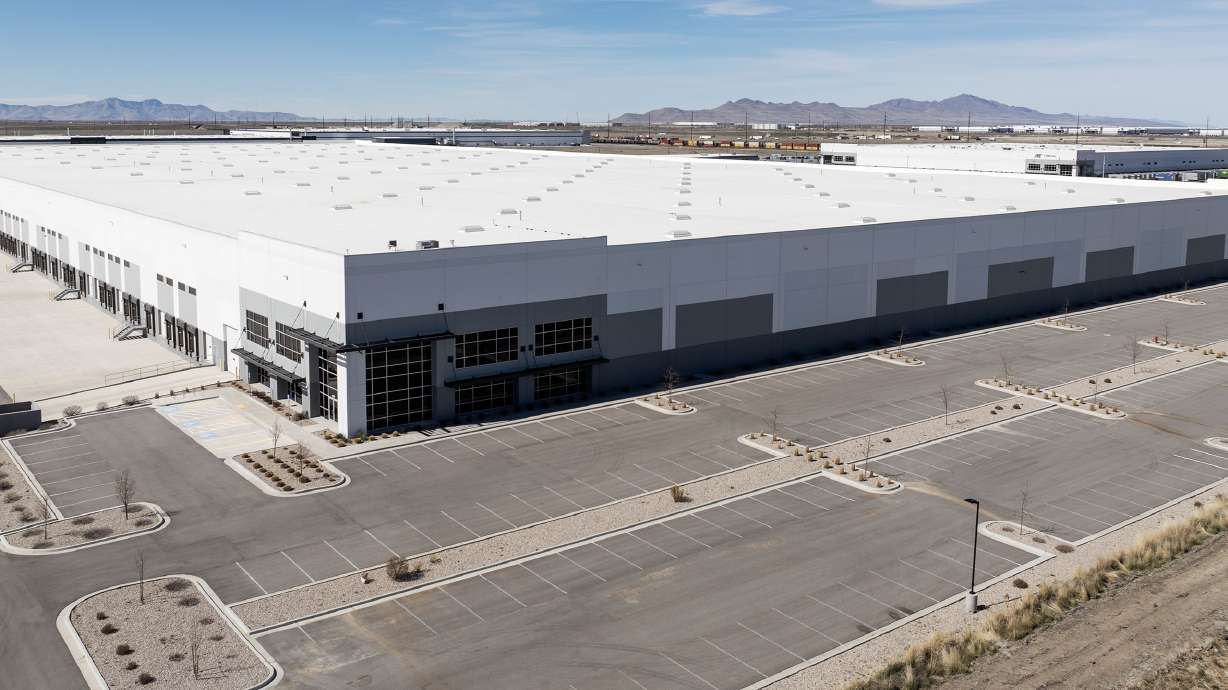
Details from ICE regarding its plans in Utah have been scarce. However, the mayor’s statement sheds light on the agency’s approach, indicating intentions to commence work on a 24.9-acre site that includes an unused 833,000-square-foot warehouse situated in an industrial area west of Salt Lake City International Airport.
Mendenhall has voiced strong opposition to the proposed center, arguing that its location is unsuitable due to inadequate water, sewer, and road infrastructure. In her meeting with ICE officials, she pressed for compliance with city ordinances but said they only committed to consulting with the fire department on certain issues without providing further details on environmental or traffic impacts.
Following this discussion, the mayor expressed lingering concerns regarding the facility’s implications for the Great Salt Lake, particularly in relation to public safety, air quality, and water consumption.
While Mendenhall has yet to reveal specific information about the planned site at 6020 W. 300 South, a February memo published by New Hampshire Governor Kelly Ayotte indicates that ICE considered implementing similar centers in other states. A total of eight large-scale detention centers and 16 processing facilities are envisioned to bolster ongoing immigration enforcement nationwide.
A report from ICE emphasizes the need to increase detention capacity to accommodate anticipated rises in enforcement operations by 2026. The agency has set a goal to expand its facility network to provide 92,600 beds by the deadline, ensuring that all facilities are operational by November 30.
Controversy Surrounds the Detention Center Plan
A facility like the one proposed in Salt Lake City would typically detain between 7,000 and 10,000 individuals for 60 days or less, serving as a transit point for international transfers, while smaller processing centers would hold between 1,000 and 1,500 detainees for shorter durations.
Despite Mendenhall’s objections, ICE has claimed that it proactively investigated the site’s utility capabilities and conducted comprehensive due diligence, including inspections and analysis of water and power infrastructure. Local leaders, including Governor Spencer Cox, have supported the plan as a critical step in dealing with undocumented immigration.
Cox and other Republican officials in Utah have yet to respond to media inquiries regarding the project. Meanwhile, advocates for immigrant rights, such as the executive director of the ACLU of Utah, have condemned the proposal as inhumane, emphasizing the community’s lack of notice and input in the process.
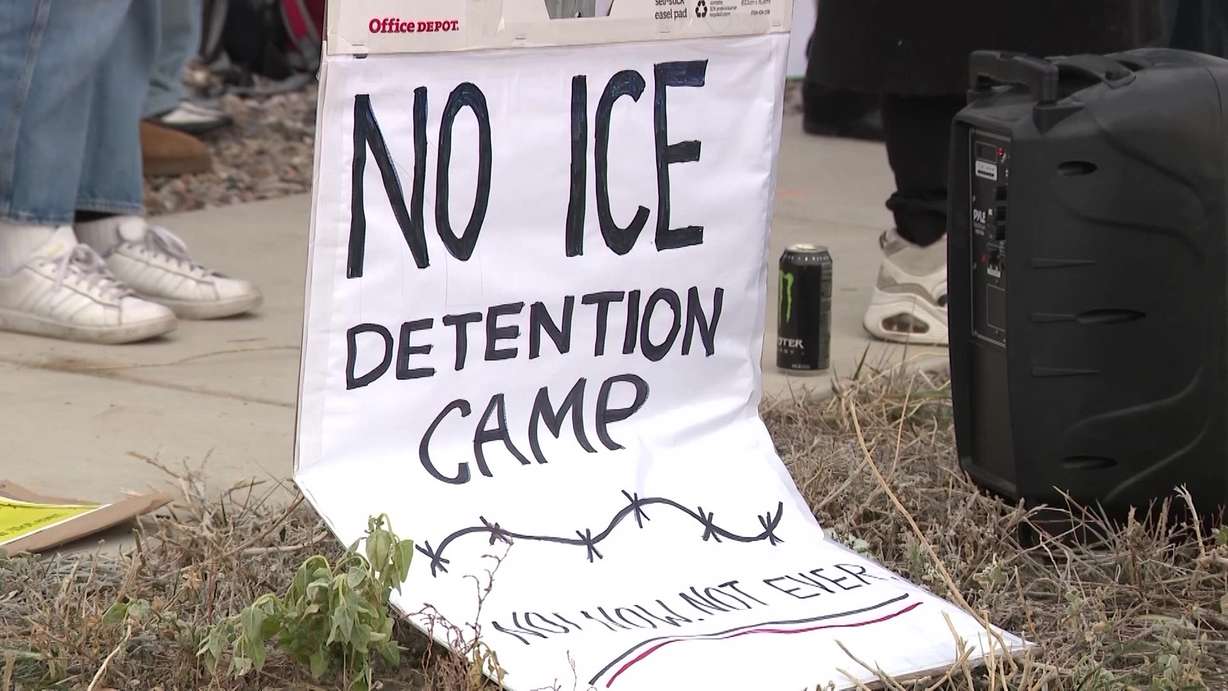
Protests against the plan have emerged, as local officials have recently imposed water use restrictions, potentially complicating ICE’s ability to develop the proposed detention center. This ongoing debate reflects deep divisions within the community regarding immigration enforcement and related policies.
As discussions surrounding the ICE detention center continue, stakeholders on both sides of the issue remain deeply engaged, illustrating the complex interplay between local governance, immigration policies, and community interests.
