


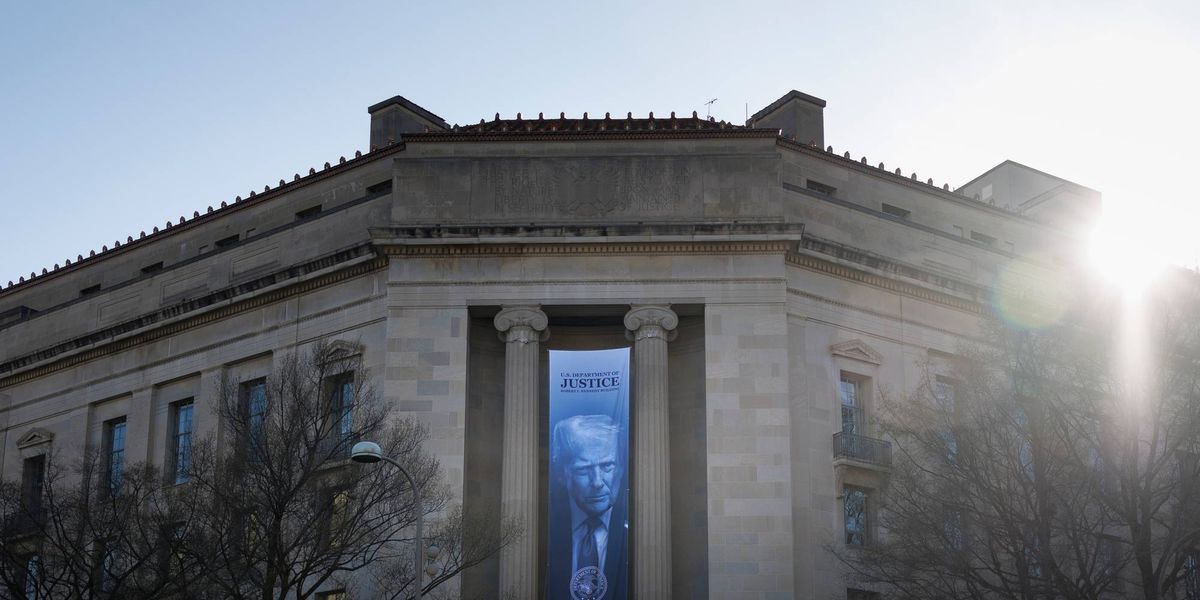
Federal Court Dismisses Justice Department Lawsuit in Denver Sanctuary Case
A federal judge has dismissed a lawsuit brought by the U.S. Department of Justice challenging the sanctuary city law implemented by Denver, Colorado. This decision underscores the complex landscape of immigration enforcement across the United States, particularly as it pertains to local jurisdictions implementing their own laws regarding the treatment of undocumented immigrants.
Background of the Lawsuit
The lawsuit originally accused the city of Denver and the state of Colorado of obstructing federal immigration laws. The Justice Department claimed that the local sanctuary policies impeded the federal government’s ability to enforce immigration statutes. Sanctuary laws, designed to limit the cooperation of local law enforcement with federal immigration authorities, have sparked significant debate and varied implementation across the country.
Judicial Reasoning and Implications
In his ruling, Judge Gordon P. Gallagher emphasized the rights of states and cities to self-governance and expressed strong support for local control over immigration matters. His decision reflected growing sentiments among certain states and cities to resist federal immigration directives that they view as overreaching. The ruling may set a precedent in similar cases where local ordinances conflict with federal immigration enforcement policies.
Reactions from Local Authorities
Local officials in Denver welcomed the ruling, stating that it affirms their commitment to creating a safe environment for all residents, regardless of immigration status. Mayor Mike Johnston remarked that such laws are pivotal in fostering trust between immigrant communities and local law enforcement, thereby enhancing public safety overall.
National Context of Sanctuary Laws
Sanctuary laws have come to the forefront of national discussions about immigration in recent years, with numerous cities enacting similar policies. The dismissals of lawsuits at the federal level highlight the ongoing struggle between federal and state power regarding immigration enforcement. Critics argue that these policies shield dangerous criminals, while supporters contend they protect vulnerable populations from undue federal scrutiny.
Future Legal Landscape
As the Biden administration continues to face pressure from both sides of the immigration debate, this ruling adds another layer of complexity to future legal battles over sanctuary policies. Legal experts predict that this case is unlikely to be the last, as various jurisdictions assess their codes in light of ongoing shifts in federal immigration policy and protection of undocumented individuals.
Broader Implications for Immigration Policy
The judge’s dismissal is not just a local victory; it carries significant implications for the broader national conversation surrounding immigration reform. It reflects a growing trend among states asserting their rights to regulate immigration at the local level in ways they see fit, affirming a shifting dynamic in the relationship between federal and state authorities. As such, further challenges to federal immigration policies can be anticipated as communities adjust to their demographic realities and legal frameworks.
