


Federal Judge Rejects DOJ’s Challenge to Colorado’s Immigration Policies
DENVER — Colorado Attorney General Phil Weiser is celebrating a significant legal victory as a federal judge dismissed the Trump administration’s challenge to the state’s “sanctuary laws.” These laws restrict cooperation between state law enforcement and federal immigration authorities, affirming Colorado’s right to manage its own immigration policy.
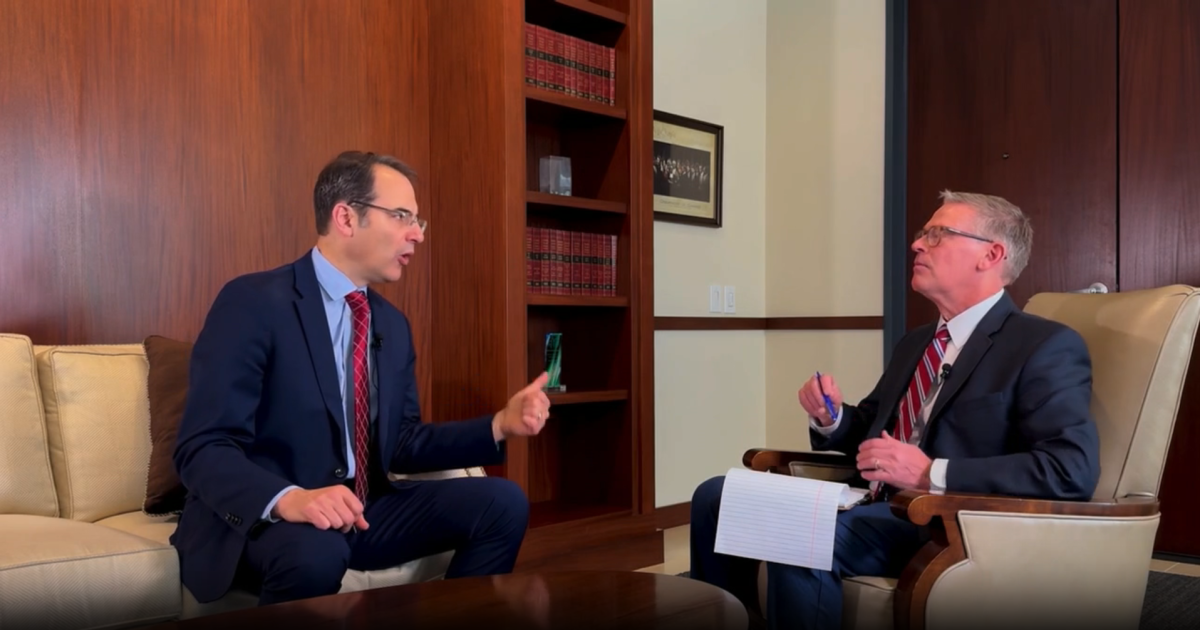
This afternoon, Denver 7 anchor Shannon Ogden spoke with Attorney General Weiser at his office regarding the implications of this ruling. Weiser expressed that the dismissal of the lawsuit sends a strong message about state autonomy.
Weiser remarked, “Colorado has a choice to make: How does our law enforcement operate in Colorado? The federal government cannot make that choice for us.” This statement underscores the ongoing tension between state rights and federal immigration enforcement.
The AG further expressed frustration with the need to continually defend the Constitution against what he described as a “lawless and bullying administration.” When Ogden inquired whether he anticipated spending so much time in litigation against the federal government, Weiser candidly replied that his office has seen a marked increase in cases brought against the administration, skyrocketing from 19 during his first two years to 63 currently.
On Tuesday, U.S. District Judge Gordon P. Gallagher officially dismissed the lawsuit filed by the U.S. Department of Justice, which accused Colorado and Denver of obstructing federal immigration laws. The lawsuit focused on four state laws and two Denver ordinances that limit the deployment of resources for immigration enforcement, as well as protecting the personal information of immigrants.
Judge Gallagher referenced a 1997 U.S. Supreme Court ruling, asserting that the federal government cannot compel state officials to enforce federal laws. He acknowledged the rights of Colorado and Denver to refuse to allocate resources for such federally governed programs, a ruling that is likely to resonate widely among states advocating for similar legislative frameworks.
Denver Mayor Mike Johnston welcomed the ruling, stating, “Today’s ruling makes clear that we cannot require the use of local resources to enforce federal policy.” This response reflects a growing urban pushback against federal immigration enforcement practices. The DOJ has a pattern of filing similar lawsuits targeting policies in other cities, including Los Angeles, New York City, and Minneapolis, highlighting a national trend in legal confrontations over immigration strategies.
While sanctuary policies do not have a precise legal definition, they generally refer to a limited scope of cooperation with Immigration and Customs Enforcement (ICE). ICE relies heavily on local agencies, especially for large-scale deportations, often requiring police to detain individuals until federal agents arrive. This recent ruling further clarifies the ongoing debate about local versus federal authority in immigration matters.
This story was reported by Denver7 and has been translated with the assistance of AI, with the editorial team verifying the accuracy and fairness of the reporting across all platforms.
