


New Monitoring Committee Established to Overcome Gas Supply Challenges
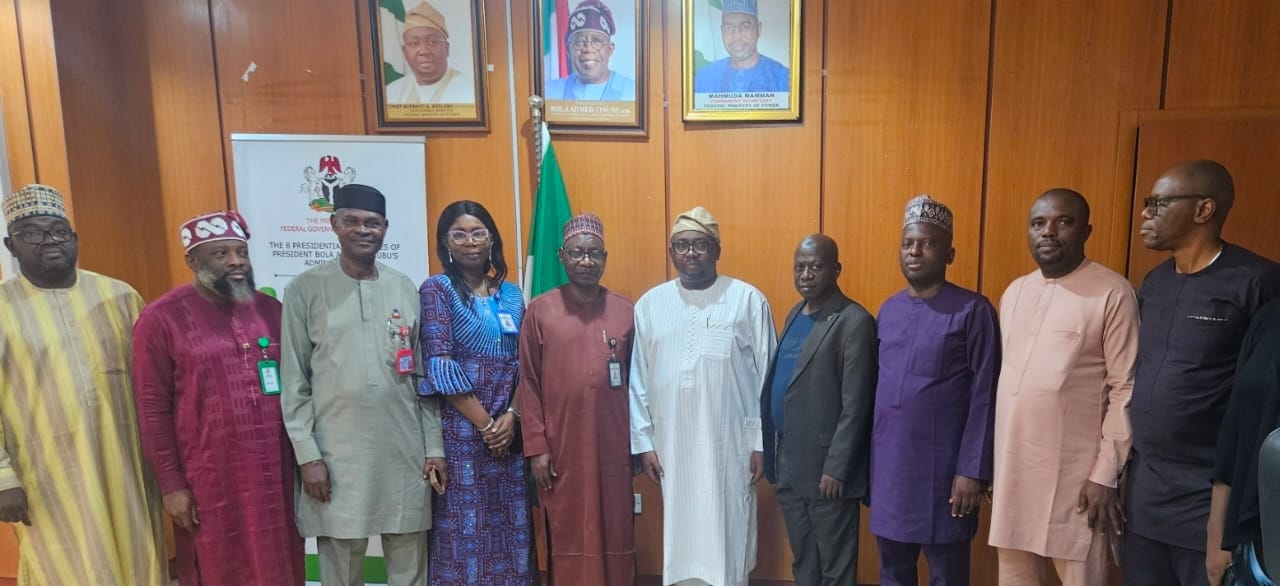
The federal government has launched a monitoring committee designed to eliminate systemic barriers affecting gas supplies to power generation companies (gencos). At the initiative’s unveiling in Abuja, Power Minister Adebayo Adelabu described it as a strategic intervention aimed at addressing critical constraints within the Nigerian Electricity Supply Industry (NESI). This initiative marks a significant step forward in tackling Nigeria’s ongoing power shortages.
Minister Adelabu emphasized that gas-fired power plants constitute approximately 80% of Nigeria’s electricity generation. However, this sector currently faces a severe liquidity crisis, characterized by supply disruptions, pipeline vandalism, and accumulating debts owed to gas producers.
Government Aims to Transform Power Generation Landscape
The inauguration of the monitoring committee underscores the federal government’s commitment to transforming the current landscape in power generation, which has been hindered by limited capacity and unreliable electricity supplies. Adelabu stated that his administration will not stand by as inadequate collaboration across sectors continues to stifle the nation’s power generation potential.
This inaugural ceremony symbolizes a clear intent to challenge the status quo, as the minister highlighted, noting that the committee’s establishment followed a Ministerial Power Sector Working Group meeting held in the first quarter of 2026. At this meeting, significant obstacles such as infrastructure gaps, liquidity constraints, and pricing challenges were identified.
Committee to Address Infrastructure Challenges and Debt Issues
The committee is tasked with overseeing and resolving crucial issues, including the maintenance and repair of damaged gas pipelines and the settlement of debts owed to suppliers. Minister Adelabu urged committee members to go beyond mere oversight by providing actionable recommendations for ensuring timely payments for gas supplies.
“We must transition from reactive and fragmented responses to systematic, data-driven interventions with clear timelines and institutional accountability,” he stated. He emphasized the importance of regular reporting and the establishment of explicit milestones to ensure measurable progress.
Enhanced Power Grid Stability Through Stakeholder Collaboration
The committee’s composition reflects a comprehensive representation from the gas-to-electricity value chain. Members include representatives from the Ministry of Power, the Nigerian Independent Operators (NISO), the Transmission Company of Nigeria (TCN), the Electricity Generation Companies Association, the Niger Delta Power Holding Company (NDPHC), the Gas Association of Nigeria, and consumer advocacy groups.
Mahmuda Mamman, Permanent Secretary of the Ministry of Power, highlighted the importance of a stable gas supply for enhancing power generation capacity and grid stability. He noted that expectations for stability and sustainability in the power sector are high and urged the Commission to fulfill its responsibilities without delay.
