


The Federal Government said it aims to strengthen Nigeria’s conflict prevention framework through improved early warning and response systems as security challenges persist across Nigeria and the wider African region.
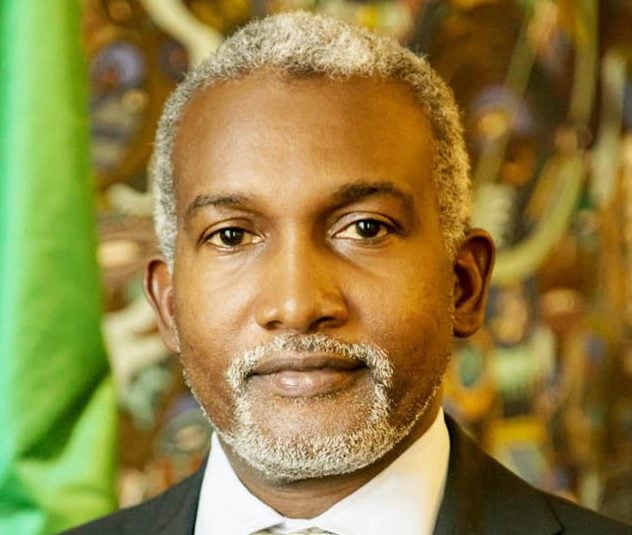
The Minister of Foreign Affairs, Ambassador Yusuf Tugar, said this while addressing a meeting on Strengthening and Capacity Building of the National Early Warning and Response Group in Abuja on Wednesday.
The event was represented by the ministry’s spokesperson, Kimyebi Ebienfa.
In his address, Mr Tugger said the engagement session was hosted by the Institute for Peace and Conflict Resolution in collaboration with Strengthening Peace and Resilience in Nigeria, a project supported by the UK Foreign, Commonwealth and Development Department.
The minister said the partnership aims to improve coordination among members of the National Early Warning and Response Group and create a more effective early warning and response system.
“This effort undoubtedly demonstrates your dedication and determination to deliver on your mandate, especially in preventing conflict, building resilience, strengthening security, promoting regional cooperation and ensuring socio-economic development in Nigeria and across Africa,” he said.
Mr Tager noted that countries around the world continue to face violent conflicts and insecurity, including political instability, banditry, terrorism, violent extremism and transnational organized crime.
He said climate change and the proliferation of small arms and light weapons were worsening security, particularly in the Sahel.
“We must recognize that comprehensive, data-driven and effective early warning and response systems are essential to addressing the many peace and security challenges facing the world,” he said.
He added that Nigeria’s response to security threats is guided by the current administration’s four-dimensional foreign policy doctrine, which focuses on development, diaspora, demographics and democratic consolidation.
Mr Taggar noted Nigeria’s role in addressing political instability in neighboring countries as part of its regional security efforts.
“Nigeria has continuously evolved its strategic path to confront these challenges and address threats to peace and security at home and across Africa,” he said.
The dialogue session aims to improve coordination, early warning reporting and response among peace and security stakeholders, the minister said.
“Essentially, we are committed to strengthening collaboration, improving early warning reporting and strengthening responses from actors across the peace and security ecosystem in Nigeria and Africa,” he said.
He said participants drawn from various institutions will contribute to the National Conflict Early Warning and Early Response System, which will be coordinated by the Institute for Peace and Conflict Resolution.
Nigeria has grappled with complex and overlapping security challenges in recent years, ranging from insurgency in the northeast and banditry in the northwest, to farmer-herder clashes, separatist agitation and communal conflicts in other parts of the country.
These challenges have not only resulted in loss of life and displacement of communities, but also strained governance structures, disrupted livelihoods, and slowed socio-economic development.
Similar threats posed by political instability, porous borders, and the proliferation of small arms and light weapons continue to undermine peace and regional stability across large swathes of West Africa and the Sahel.
