


Investor Confidence in Nigeria’s Banking Sector Grows
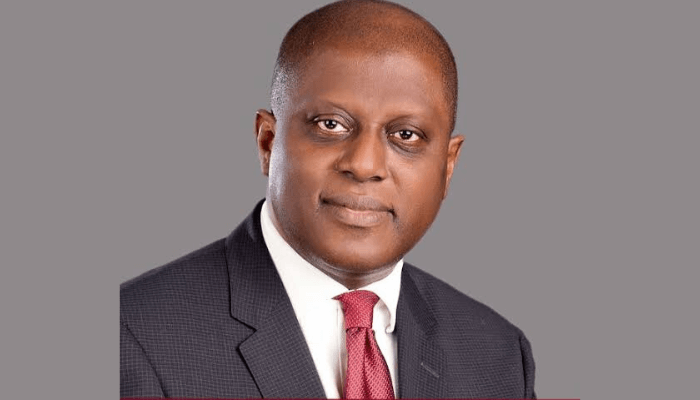
Approximately 28% of the funding for Nigeria’s ongoing bank recapitalization initiative is sourced from foreign investors, according to Central Bank of Nigeria (CBN) Governor Olayemi Cardoso. This statistic underscores a marked rise in investor confidence as the nation implements critical financial reforms.
Reforms Attracting Foreign Investment
Governor Cardoso delivered his remarks during the African Capital Forum in London, coinciding with President Bola Ahmed Tinubu’s official visit to the United Kingdom. He highlighted that these foreign inflows reflect an increasing trust in Nigeria’s financial system and the overall economic trajectory.
Current Capital Compliance Among Banks
As of now, over 30 banks have successfully met the new capital requirements, with regulatory reviews continuing for others. The level of foreign participation is indicative of the growing stability and transparency within Nigeria’s banking sector, bolstered by a series of reforms instituted by the Central Bank.
Strengthening Economic Resilience
Cardoso emphasized that these reforms have fortified Nigeria’s capacity to manage external shocks and have reinstated confidence among international investors and development partners. He noted that disciplined policy-making and institutional improvements are vital for a more resilient financial system, one capable of sustaining long-term economic growth.
Advancements in the Foreign Exchange Market
Recent changes in the foreign exchange market have enhanced transparency and liquidity through a new framework that eases traditional capital controls, thus streamlining trade and investment mechanisms.
Future of Payments and Financial Integration
The CBN is also finalizing a vision for a new payment system that positions Nigeria as a regional hub for digital and cross-border transactions, further fostering financial integration across Africa. Cardoso pointed out that diaspora remittances have surged, providing a stable source of foreign exchange that aids in diversifying reserves and minimizes susceptibility to global market fluctuations.
Crisis Management and Policy Commitments
Looking ahead, the CBN is committed to preserving the progress made in terms of stability, allowing investors and stakeholders to plan with greater assurance. The central bank plans to uphold transparency, consistent communication, and enhanced institutional credibility while improving policy standards to circumvent previous missteps.
Collaboration with Fintech and Macro Policy Coordination
In the realm of digital finance, Cardoso noted the CBN’s collaboration with fintech companies to eliminate regulatory hurdles and operational challenges that hinder innovations aimed at increasing financial inclusion. He stressed the significance of cohesive action between monetary and fiscal authorities, highlighting the integration of fiscal officers into the CBN Board and Monetary Policy Committee for better policy alignment essential for sustainable growth.
Transitioning Towards Capital Mobilization
Cardoso reported that inflation rates have notably decreased and stability in the exchange rate has improved due to ongoing reforms, which have aligned the Nigerian economy for domestic investments, changes in the oil industry, and renewed global interest. He reaffirmed the CBN’s vigilance in maintaining stability in currency markets and managing inflation through enhanced transparency and regular reporting.
Policy Framework Enhancements
As Nigeria transitions from macroeconomic stabilization to capital mobilization, Cardoso urges investors to view the country as one with robust fundamentals and a strong banking sector. He confirmed that the CBN is reassessing its policy framework to promote more predictable and rules-based decision-making, enhancing investor confidence in the process.
