


Escalating Violence in Nigeria Sparks Alarm Over Global Apathy
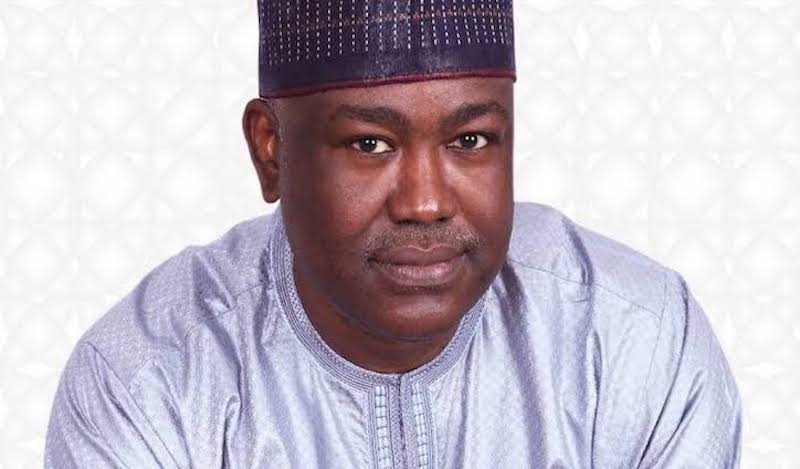
As violence surges across Nigeria, former presidential candidate Dr. Gbenga Hashim has drawn attention to an alarming rise in mass killings, many of which remain under-reported. The situation is particularly dire in Shanga Local Government Area of Kebbi State and other regions, exposing a troubling trend of persistent insecurity and accusations of global indifference.
In a recent statement, Hashim emphasized that the actual scale of violence is significantly understated and is becoming increasingly normalized in the context of daily life in Nigeria. He reported that recent attacks in Shanga have left over 40 people dead, with local sources indicating the toll may continue to rise. Earlier assaults in the area had already claimed the lives of seven individuals, highlighting a pattern of continuous terrorist threats that local communities face without adequate government protection.
This incident is part of a broader, worrying trend of mass killings occurring in rural Nigeria that are failing to attract either national or international attention. Hashim noted that in Kwara State alone, between 20 and 50 fatalities, including five forest rangers, have occurred in coordinated attacks across various communities, often going largely unnoticed by mainstream news outlets.
Across the north-central region, the detrimental impact of this violence is expanding. In Benue State, reports indicate that coordinated attacks have resulted in the deaths of between 50 and 100 people over just a few weeks. Similar patterns are evident in Plateau State, where night raids have left 30 to 80 dead, and in Niger State, with recorded fatalities ranging from 20 to 50. Nasarawa State has also suffered spillover effects, with casualties between 10 and 20. Collectively, these incidents suggest that between 130 and 300 individuals may have died in this limited area within a short time frame.
Hashim expressed serious concern over what he describes as “selective attention and dangerous silence” regarding these mass casualties. He argues that the disconnect between the tragic reality on the ground and the global perception is morally troubling, as rural mass killings in Nigeria are increasingly perceived as mere statistics rather than urgent humanitarian crises.
Highlighting the ongoing activities of armed groups such as Boko Haram and Islamic State West Africa Province, Hashim pointed out that the proliferation of bandit networks capitalizing on weak security measures poses a significant challenge. He noted that the repetition and spread of attacks across states reflect systematic flaws in national security coordination rather than isolated incidents.
Hashim criticized the muted response from international bodies, particularly the United Nations and the African Union, which have largely turned a blind eye to the scale of these ongoing atrocities. He lamented the fact that apart from isolated voices like that of US President Donald Trump, most countries appear to accept the dehumanization of Nigerian lives. He called out the silence from African nations that have benefitted from Nigeria’s humanitarian efforts, raising critical moral questions about international priorities.
In a moment of urgency, Hashim posed several difficult questions: Why has the global community become desensitized to the mass murders in Nigeria? Why do these tragedies fail to evoke sustained outrage? And how many more lives must be lost before indifference is recognized as complicit in these crimes? He asserted that these inquiries are no longer rhetorical; they illuminate how the global system selectively allocates attention and moral concern.
The problems extend beyond mere insecurity; they raise concerns about the collapse of global response mechanisms in the wake of human tragedy. Hashim cautioned that if left unaddressed, this trajectory will risk normalizing mass fatalities, rendering such tragedies commonplace and devoid of urgency. Currently, the grim reality persists: killings continue, death tolls mount, and countless victims remain unrecognized and unaccounted for.
