


Ghana to Introduce UN Resolution on Transatlantic Slave Trade as Crimes Against Humanity
Ghana is set to unveil a significant United Nations resolution recognizing the transatlantic slave trade and the associated racial chattel enslavement of Africans as among the gravest crimes against humanity. This landmark resolution aims to bring global attention to these historical injustices and is expected to be debated and adopted by the United Nations General Assembly on March 25, 2026. The date will also be commemorated worldwide as the International Day of Remembrance for the Victims of Slavery and the Transatlantic Slave Trade.
Commitment to Historical Acknowledgment
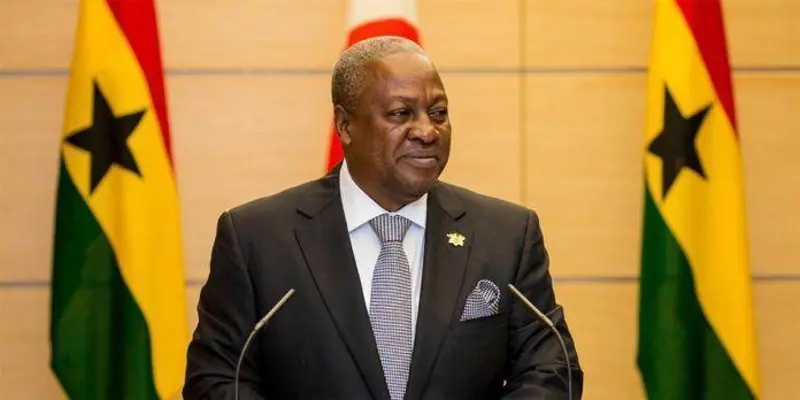
A press release from Ghana’s Ministry of Foreign Affairs highlights that this initiative aligns with a promise made by President John Mahama during his address at the United Nations General Assembly last year. The ministry emphasized Ghana’s determination to take this crucial step in addressing historical injustices.
Collaborative Advocacy for Reparations
The resolution is not only a national effort; Ghana will act as the African Union’s advocate for reparations, collaborating with the African Union, the Caribbean Community, and African-descended populations worldwide. This concerted effort underscores the resolution’s aim to formally identify human trafficking and racialized chattel enslavement as the most serious crimes against humanity.
Historical Context of the Resolution
The proposed resolution articulates the gravity of these crimes, citing the extensive history, scale, systemic nature, and lingering consequences that continue to perpetuate socio-economic inequalities globally. The ministry stated that adopting this resolution would mark a pivotal achievement in the UN’s 80-year history, being the first comprehensive acknowledgment of slavery and the transatlantic slave trade.
Addressing Global Inequalities
According to the ministry, this resolution aims not only to recognize historical atrocities but also to confront the enduring structural inequalities that contribute to current socio-economic challenges. It represents a critical step towards meaningful reparation and healing, pivotal for justice and reconciliation.
Commemorative Events Planned
The date of March 25 was purposefully selected, coinciding with the International Day of Remembrance. The Ministry has also announced pre-table activities, including a wreath-laying ceremony at the African Cemetery in New York on March 24, 2026, as well as a high-level event focusing on reparative justice at the United Nations Headquarters that same day.
Call for Global Support
The Ministry of Foreign Affairs reiterated the necessity of global backing, urging all nations to align themselves with the “right side of history and justice.” They appealed to UN member states to support this vital resolution, emphasizing the collective responsibility to address historical injustices and their lasting repercussions.
