


Nigeria Convicts 386 Terrorists in Major Court Ruling
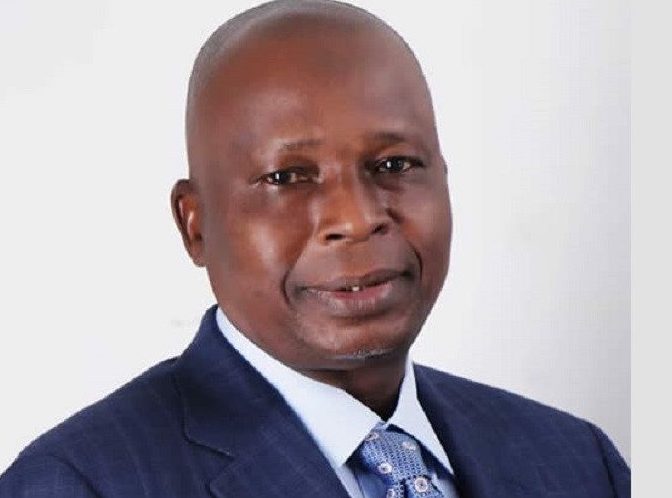
The Nigerian federal government has successfully secured the convictions of 386 individuals linked to Boko Haram and the Islamic State West Africa Province (ISWAP). This significant outcome was announced by the Attorney General of the Federation and Minister of Justice, Prince Lateef Fagbemi (SAN), following a special four-day court session held at the Federal High Court in Abuja.
During this intensive session, a total of 508 defendants were arraigned across ten different courts from Tuesday to Friday. Fagbemi detailed that the accused were charged with a range of offenses, including providing financial and logistical support to terrorist groups. Additionally, some faced charges for concealing information or failing to report knowledge of terrorist activities, as well as membership in a designated terrorist organization.
In a decisive verdict, the court found the defendants guilty, imposing prison sentences that varied from five years to life, depending on the severity of each individual’s charges. The Attorney General also noted that among the defendants, eight were released and two were acquitted.
Fagbemi further indicated that an additional 112 suspects, who had not responded to the proceedings, are set to be arraigned in a subsequent phase of the mass trial scheduled for June 15 to 18, 2026. This mass trial and the imprisonment of 386 individuals signal the government’s commitment to combating terrorism and reinforce that Nigeria will not harbor criminals engaged in such heinous acts.
In acknowledging the contributions of the judiciary, Fagbemi praised the ten judges of the Federal High Court who dedicated their Easter holidays to serve on a special bench for this unprecedented trial. He emphasized the importance of their involvement in response to the federal government’s urgent call for action.
The Minister of Justice also expressed gratitude to international observers, including Amnesty International and the Nigerian Bar Association, for their commitment to ensuring due process and transparency throughout the trial. Their presence underscored the rule of law and the government’s accountability in handling such sensitive cases, along with widespread media coverage of the proceedings.
In a notable case heard on the final day of the trial, former senatorial candidate Hon. Robin raised concerns regarding Babagana Habib, a fuel dealer from Maiduguri, who received a 10-year sentence for selling fuel to Boko Haram members. Although Habeeb pleaded guilty, he claimed that staff at his station might have been responsible for the sales. He appealed to Judge Peter Riff for leniency, citing his family circumstances, including two wives and six children, and the impact of his decade-long detention.
Upon review, Judge Riff determined there was insufficient evidence linking Habeeb directly to Boko Haram or suggesting he had received weapons training. The judge acknowledged inaccuracies in the prosecution’s claims regarding the length of Habeeb’s detention, ultimately sentencing him to ten years but ordering that the term commence from his date of arrest. The judge instructed that Habeeb be released immediately upon signing a release letter to facilitate rehabilitation efforts.
