


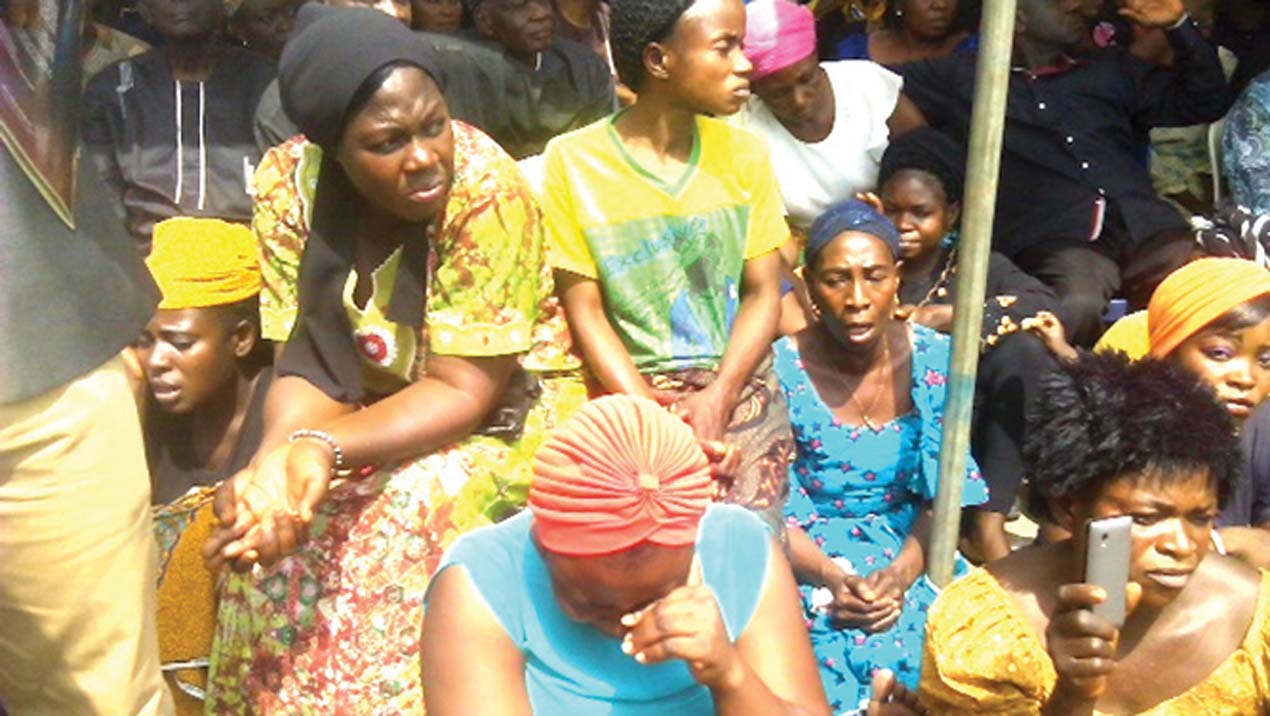
Mass Burial Highlights Ongoing Violence in Benue State
In a poignant ceremony held recently in Makurdi, communities mourned the loss of 73 individuals tragically killed on New Year’s Day in the Logo and Guma parliamentary areas of Benue State. The mass burial served as a somber reminder of the escalating violence that has gripped the region, provoking grief and fear among residents.
Cemeteries as Reflection of Society
My experiences during a visit to a cemetery in Rome revealed a different perspective on death and burial. On November 2, 2015, I joined St. Joseph Oblate priests in celebrating a mass for the deceased. The cemetery, adorned with flowers and elaborate tombs, was a stark reminder of how different cultures approach death. In civilized societies, cemeteries symbolize a natural transition rather than a punishment, maintained with dignity and respect for those who have passed on.
Memory and Legacy of the Departed
The cemetery served as a testament to the lives of heroes, artists, and thinkers whose contributions shaped humanity. Epitaphs on their graves told stories of dignity and virtue—qualities that transcend time. However, buried alongside these legacies are the unfulfilled dreams of those whose lives were cut short by neglect and corruption. This highlights a grim reality: power, when misused, can devastate communities and destroy potential.
Understanding the Purpose of Life
The vision of life, as articulated in the Catechism of the Catholic Church, emphasizes the pursuit of knowing, loving, and serving God for eternal happiness. However, the harsh historical realities, such as those depicted in the memoirs of Janusz Baldach and Kathleen Gleason during World War II, remind us that humanity can easily fall into chaos and despair, turning against itself.
The Nigeria of Mass Burials
The stark reality of mass burials in Nigeria, particularly at the Ayati pilgrimage site, underscores a national crisis. This tragic occurrence—namely, the mass burial of Fr. Joseph Go, Pastor Felix Tioraha, and their congregants—reflects a growing issue within the nation. Mass graves have become a symbol of not just death, but a persistent cycle of violence and distrust among the diverse religious and ethnic groups in Nigeria. It is imperative that security forces fulfill their responsibilities to prevent further tragedies.
Internally Displaced Persons: Living in Silence
The situation of internally displaced persons (IDPs) in Nigeria paints a grim picture, where many, deprived of their homes, languish in camps. Stripped of dignity and burdened with grief, some in these camps long for death over the trauma of their current existence. It highlights an overlooked tragedy: while graves may rest in silence, the living endure unbearable suffering, yearning for justice and recognition.
A Call for Social Accountability and Peace
In contemplating the larger picture, those who believe in resurrection and divine justice understand that true leadership emanates from a higher moral ground. Scripture reminds us of the value of each soul, urging society to not succumb to violence. Amidst a landscape marred by ethnic divides and corruption, a concerted effort among communities—both Muslim and Christian—to engage in dialogue and demand accountability from leaders is crucial. Through this commitment, Nigeria can hope to avert a future where dreams are constantly extinguished by violence.
Father Omonokua serves as the Director of Mission and Dialogue at the Catholic Secretariat of Nigeria.
