


Lassa Fever Outbreak Claims Lives in Nigeria
Lassa fever, a severe form of hemorrhagic disease, continues to severely impact communities across Nigeria, particularly in Taraba, Katsina, and Bauchi states. Out of a national total of 516 reported cases, Taraba has borne the brunt, with 50 deaths recorded alone.
Taraba State Reports Highest Death Toll
Between November 2025 and March 2026, the Jalingo Federal Medical Center confirmed 50 fatalities attributed to Lassa fever. Abubakar Kirim, a physician at Taraba’s largest hospital, noted that his state has experienced the highest incidence of cases this year. He urged various levels of government to enhance advocacy and implement preventive measures to combat the disease.
Shortage of Medical Personnel Intensifies Crisis
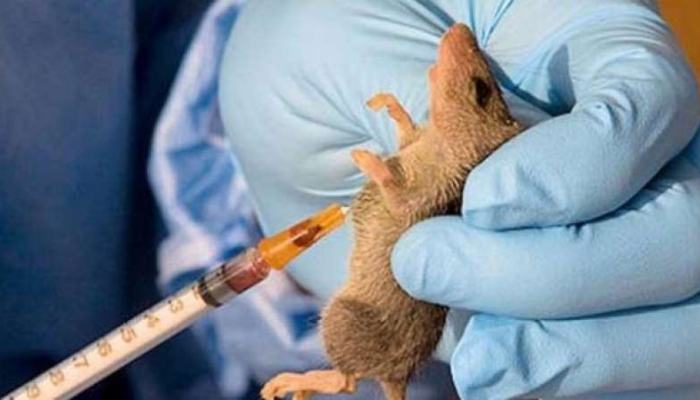
Kirim, who oversees clinical services at the Jalingo facility, highlighted an acute shortage of healthcare professionals available to handle the outbreak. He identified a critical need for awareness campaigns to educate local residents about avoiding interactions with rats, which are known carriers of the virus. Without concerted efforts, the ongoing rise in cases could result in daily fatalities.
Ongoing Admissions Indicate Escalating Concern
From November 2025 to March 2026, the hospital admitted 226 patients with suspected Lassa fever; 95 cases were confirmed through laboratory tests. The fatalities numbered 50, while 20 patients successfully recovered and were discharged. Alarmingly, new infections continue to surface, marking the highest number of suspected cases and deaths recorded in years. Kirim expressed cautious optimism that infection rates may decline with the arrival of the rainy season, which historically has reduced transmission rates.
Alarming Trends in Katsina State
Across the border in Katsina State, physician Mohammed Sani Abubakar reported a significant spike in the case fatality rate, warning that this year’s Lassa fever outbreak exhibits changes in both pattern and severity. The current fatality rate has surged, with approximately one in four infected individuals succumbing to the virus—a stark increase from the historical rate of 10 to 30 percent.
Nationwide Impact and Evolving Patterns
Since January, Nigeria has documented over 1,000 suspected and confirmed cases and approximately 145 associated deaths. Unlike prior outbreaks predominantly confined to the Northeast, an alarming shift has placed more than 90 percent of current cases in five key states—Benue, Ondo, Taraba, Edo, and Plateau. Abubakar noted the influence of climate change, insecurity, and deteriorating conditions contributing to this geographical shift.
Healthcare Workers at Risk
The outbreak has not spared healthcare workers, with at least five doctors and several nurses having succumbed to the illness. Abubakar urged colleagues in the medical field to exercise extreme caution and employ personal protective equipment while managing suspected cases. Furthermore, Médecins Sans Frontières (MSF) reported that the severity of the Lassa fever season has intensified, citing a 31% increase in deaths compared to the previous year, as initial symptoms often mimic other common illnesses in Nigeria.
Healthcare System Enhancements Implemented
In response to the crisis, the management of the Federal Medical Center in Jalingo recently introduced a service pack aimed at standardizing healthcare delivery and improving safety and accountability. By ensuring the availability of sterile supplies, these measures are designed to mitigate the risks associated with treating infectious diseases. This approach is consistent with practices established in other major hospitals both within Nigeria and internationally, underscoring the importance of a robust healthcare system in managing recurrent outbreaks like Lassa fever.
