


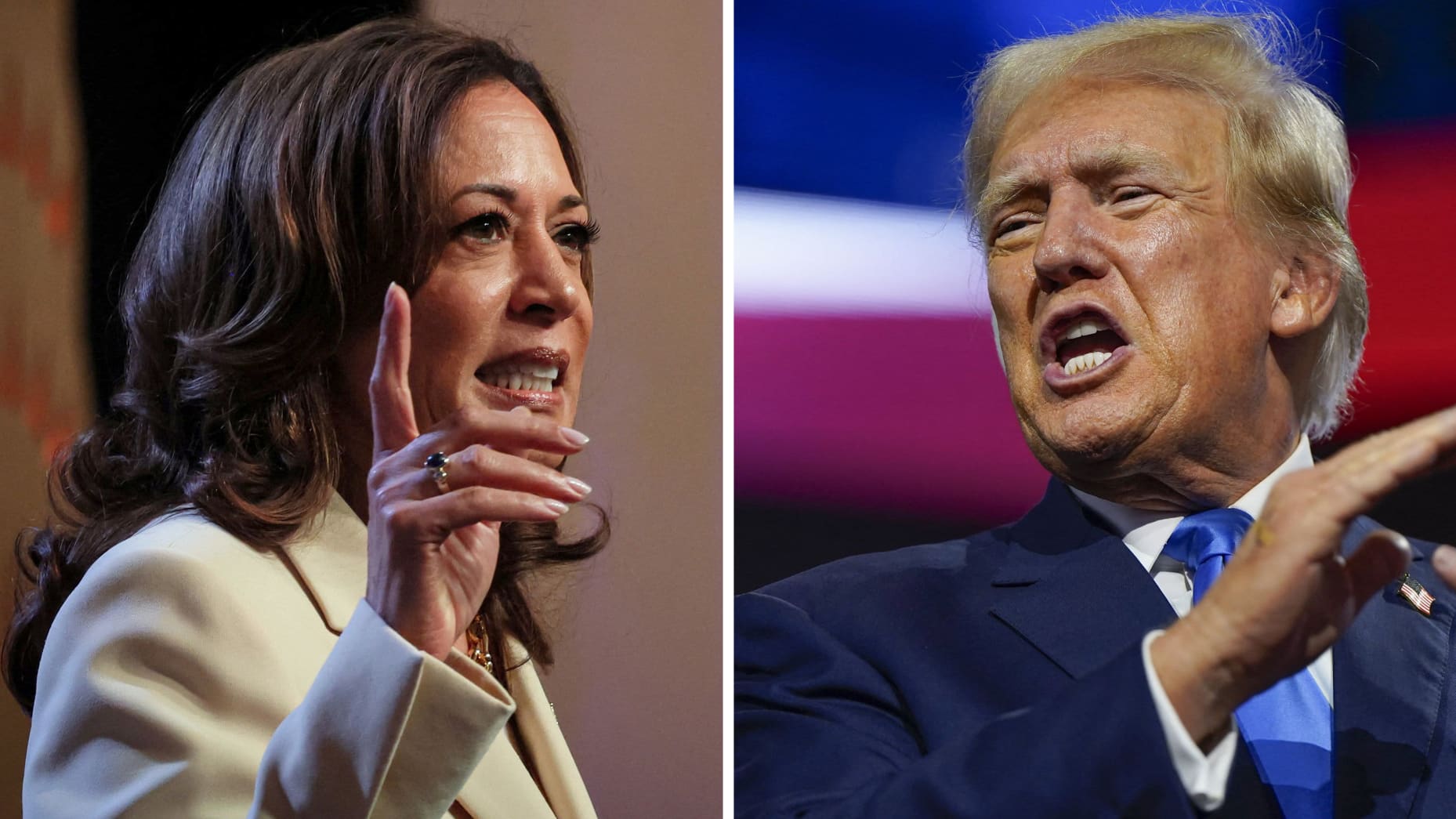
Tuesday’s US election is poised to have a major impact on potential immigration to the US, with contrasting policies proposed by Donald Trump and Kamala Harris.
These policies will shape U.S. immigration policy and impact potential immigration opportunities and legal pathways to residency and citizenship.
President Trump’s policies focus on tightening immigration enforcement and reducing Temporary Protected Status (TPS) designations. By contrast, Harris’ proposal aims to use her career as a prosecutor and lawyer to strengthen the southern border, expand legal immigration and create a path to citizenship.
Harris has adjusted her border positions to work more closely with Trump, but the candidates are divided on their pledges on asylum, Temporary Protected Status (TPS) and deportation.
President Trump’s proposed strict immigration controls focus on specific countries, with the exception of Nigeria. These include the termination of TPS for nationals of El Salvador, Haiti, and Nika Impact of the 2024 US election on potential immigration from Nigeria
Lagua, Sudan, Honduras, Nepal. The Muslim travel ban, which had been in place since 2017 and barred immigrants from six Muslim-majority countries from entering the United States, has been reinstated. and Mexican policies that affect immigration from Mexico.
In any case, what could impact Nigerians is the proposed abolition of birthright citizenship. If President Trump implements this plan, Nigerians who normally travel to the United States to have children will be affected.
“How ridiculous. The United States is the only country in the world where a person can come in, have a baby, and that baby essentially becomes a U.S. citizen for 85 years with all these benefits. It’s ridiculous, it’s ridiculous, and this system has to end,” he said.
President Trump plans to do this through an executive order. This is in contrast to the Fourteenth Amendment, which states that “all persons born or naturalized in the United States, and subject to the jurisdiction of the United States, are nationals of the United States and of the state in which they reside.”
In 1898, the U.S. Supreme Court reaffirmed citizenship rights for children born to lawful permanent residents. But conservatives say this right should not apply to everyone, including undocumented immigrants and people with temporary legal status.
However, a positive aspect of the Trump policy that will have a positive impact on Nigerians is merit-based immigration with automatic green cards for foreign graduates of American universities. This may limit the number of people entering the country.
“What I want is a new legal immigration system that protects American wages, promotes American values, and attracts the best talent from around the world,” President Trump said.
He added, “What I’m going to do is get you through college. I think you should automatically get a green card as part of your diploma so you can stay in this country.”
He emphasized that the policy applies to graduates of all types of U.S. universities, including junior colleges and Ph.D.
If Harris is re-elected, her pledge to increase employment-based visas by 13% and family-based visas by 7% by 2030 will be a positive development for Nigerians seeking immigration.
Currently, the United States issues 1.1 million permanent resident legal visas, also known as green cards, each year. Most are awarded to individuals with family ties to U.S. citizens, rather than based on skill or employment.


