


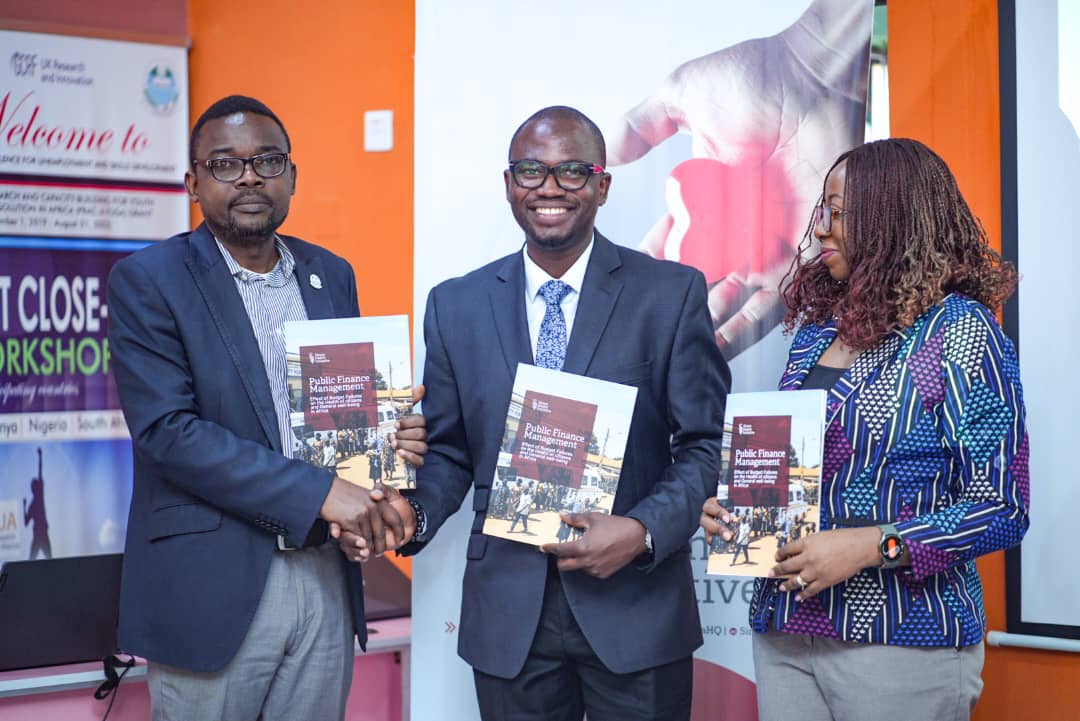
Nigeria’s health system continues to struggle, with poor financial management being a major culprit. Misallocation of resources, opaque budgeting and lack of accountability have crippled the sector and left millions without access to quality care, according to a new report.
The report, titled “Financial Management and Health,” recently launched in Lagos by the Simon Health Initiative, calls on governments to prioritize transparency and accountability in the budget process to achieve positive health outcomes.
Citing examples from Western countries, the report noted that effective monitoring practices improve efficiency and ensure that resources reach targeted beneficiaries.
The report says health reform should prioritize evidence-based planning and strategic resource allocation. He also emphasized increasing institutional capacity to curb corruption and increase efficiency.
This includes spending on training, technology and systems to improve fiscal discipline and operational efficiency, the report said.
“Strong institutions are essential to ensure accountability and ensure that budget decisions are based on development priorities rather than political interests,” the report says.
The report recommends that governments at all levels adopt participatory budgeting and involve the public directly in the decision-making process.
“Citizen participation also promotes transparency and ensures that budgets are based on the actual needs of the community.”
“Public participation in the budget process will restore public trust in government institutions and strengthen democratic accountability.”
The report also called for cooperation and information sharing, saying both sides have an important role to play in addressing budget failures.
Speaking at the report’s launch, Iyanuorwa Bolarinwa, founder of the Simon Health Initiative, said financial management impacts health in many ways, including through the level of investment in health infrastructure, health remuneration budgets, health workers and funding for health projects across the country.
Mr Bolarinwa said the report’s findings showed that the sector was recording low budget expenditure across the country, creating gaps in both finance and delivery.
He noted that underfunded health systems can only provide minimal services, resulting in increased morbidity and mortality.
“In 2025, the Nigerian government budgeted a total of N218 billion, but only N36 billion was disbursed, which translates to about N0.0008 for all Nigerians,” he said, adding that the country currently has the highest maternal mortality rate in the world and one of the worst life expectancies at 54.9 years.
“In Africa, rural communities often have to endure the effects of underfunding the health sector.”


