


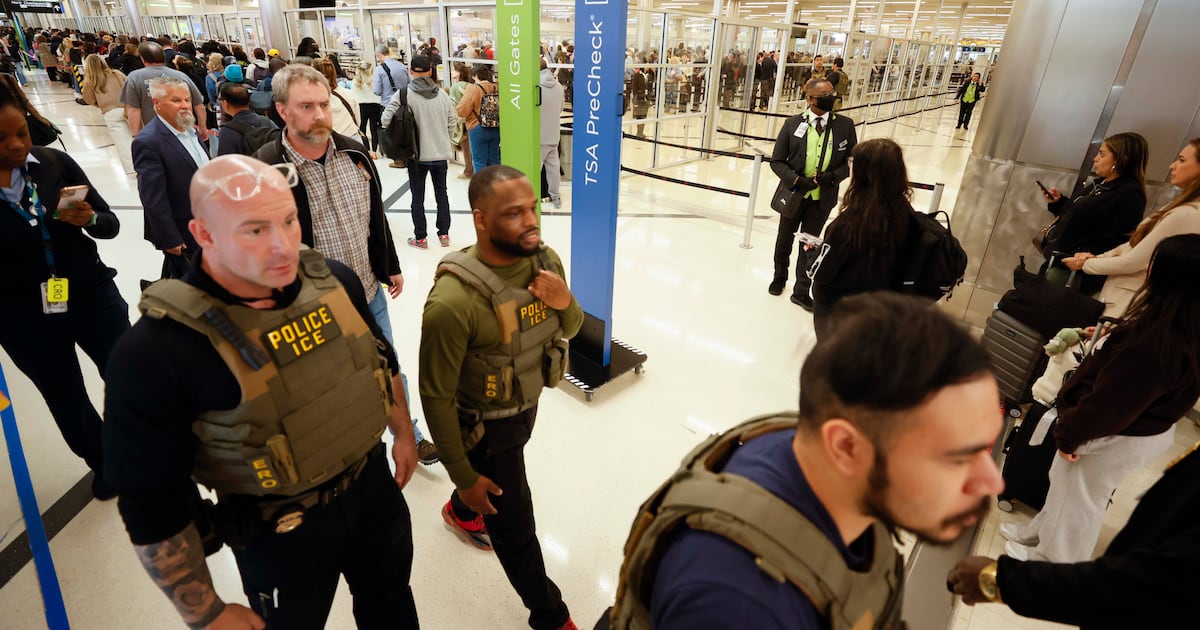
ICE Officers at Major Airports Raise Concerns Among Immigrant Communities
Immigration and Customs Enforcement (ICE) officers are now present at Hartsfield-Jackson Atlanta International Airport and other major airports across the United States. Their roles extend beyond traditional enforcement duties, as they reportedly assist with non-professional tasks, such as checking IDs and boarding passes.
Impact on Immigrant Communities
The deployment of these officers has transformed airports into spaces of heightened scrutiny for immigrant communities, particularly among those who are undocumented or hold temporary legal status. Many stakeholders, including immigration lawyers and advocacy groups, voice concerns that policies reminiscent of the Trump administration’s aggressive deportation strategy create an environment of fear. The risk of being apprehended while traveling is particularly acute for undocumented individuals arriving or departing from these airports.
Response from Advocacy Groups
Advocacy organizations have reported that the presence of ICE officers leads to increased anxiety among travelers. Many undocumented immigrants fear that routine activities, such as boarding a flight or picking up family members, could lead to their deportation. As a consequence, some individuals have opted to avoid air travel altogether, further isolating them from essential services and opportunities.
Federal Support for TSA Operations
Although ICE’s involvement is marketed as an effort to support TSA operations, the reality may be markedly different. Critics assert that this partnership between federal enforcement agencies and airport security could compromise the safety and privacy of travelers. By blending enforcement roles with airport operations, advocates worry that trust will erode between the immigrant community and law enforcement.
Recommendations from Advocacy Groups
Various organizations have called for clearer guidelines and more accountability regarding the interaction between immigration enforcement and airport security personnel. They stress that it is vital for TSA agents to ensure that checks remain focused on safety rather than immigration status, thus maintaining a sense of security for all passengers, regardless of their legal standing.
Potential Legal Challenges
As the situation evolves, legal experts anticipate a rise in challenges against ICE activities in airport settings. Lawsuits may highlight concerns about civil rights violations and the risks of racial profiling. Such actions could ultimately shape the legal landscape governing how immigration enforcement operates in public spaces like airports.
Future Developments to Watch
The dialogue surrounding the role of ICE in airports is expected to intensify in the coming months. Stakeholders, including lawmakers, advocacy groups, and the federal government, will likely engage in discussions that could impact policy and enforcement practices at U.S. airports. Monitoring how this issue unfolds will be crucial for understanding its implications on immigrant travel and community dynamics nationwide.
