


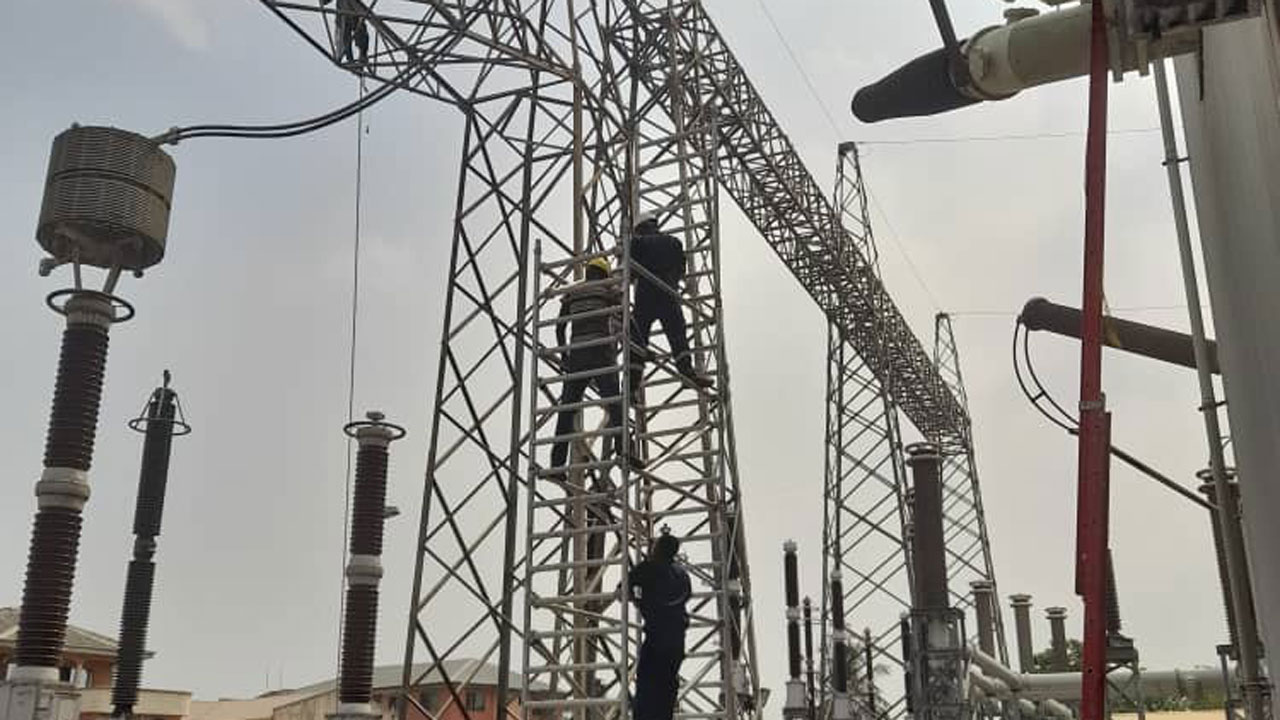
(File) Electrical workers. Photo/Kobor Amos
Power Outages Plague Nigeria Amidst Growing Frustration
Power generation companies in Nigeria have been warning citizens about the likelihood of nationwide outages, citing overwhelming debt and systemic issues as key factors. In recent days, the country has faced a concerning surge in darkness, with many Nigerians expressing a combination of disbelief and hopelessness over the deteriorating electricity situation. Despite significant financial investments in the sector, the nation’s power supply remains alarmingly inadequate, forcing countless households to adapt to a harsh reality of unreliable energy.
Public Discontent and Humorous Acronyms
The persistent issues in Nigeria’s electricity supply have compelled citizens to create humorous interpretations of the acronyms used by power organizations. For instance, the Electricity Corporation of Nigeria (ECN) is cheekily referred to as “Daily Candle Night,” while NEPA is whimsically dubbed “Don’t Always Expect Power,” and the Power Holding Company of Nigeria (PHCN) is ingeniously called “Hold Your Candle Now.” These lighthearted names serve as a coping mechanism for the public, who are left grappling with the impact of a system that seems to be increasingly misaligned with their needs.
Privatization and Disappointment
In 2013, the Federal Government privatized the energy sector, transferring 18 power companies to private investors in a move that raised approximately $2.5 billion. Initially, there was hope among the populace that this change would lead to consistent electricity supply. However, these aspirations have gradually shifted into frustration, as many households find themselves investing in generator sets to secure their own power sources. The promise of efficient services has failed to materialize, leaving Nigerians feeling trapped in a cycle of disappointment.
The Burden of Rising Rates
Instead of alleviating poverty and unemployment, the privatization of the energy sector has led to an increase in electricity rates, exacerbating the struggles faced by ordinary citizens. Distribution companies (DisCos), tasked with delivering power, have been criticized for their frequent demands for tariff hikes and their claims of being financially overburdened by government debts. This ongoing situation has raised questions about the effectiveness of privatization as a solution to Nigeria’s energy challenges.
Government Intervention and Future Prospects
Power Minister Saleh Mamman recently issued a stark warning to DisCos regarding their responsibilities in addressing the nation’s power shortages. He hinted that the Federal Executive Council is poised to take decisive action against underperforming companies. Despite the potential to generate up to 13,000 MW of electricity, the reality is that only a fraction is being transmitted effectively, placing additional strain on the government’s financial resources.
Challenges in Subsidizing Efficiency
The government has invested over 1.7 trillion naira in the energy sector in recent years, yet the poor performance of DisCos continues to hinder progress. This financial support has not translated into improved service, prompting skepticism about the ability of companies like Siemens, which has taken on a role in linking generation with distribution, to deliver results. There are rising concerns about whether such privatizations can be truly effective, especially given past inefficiencies.
Self-Employment as a Response to Power Deficits
Faced with these challenges, many Nigerians have turned to self-employment as a means of adapting to the unreliable power situation. Yet, the lack of consistent electricity supply remains a significant barrier to success for aspiring entrepreneurs. Historical context suggests that sustained energy availability was crucial for industrial revolutions in developed economies. As Nigeria grapples with its electricity retention issues, the urgent need for innovative and reliable solutions becomes increasingly evident.
