


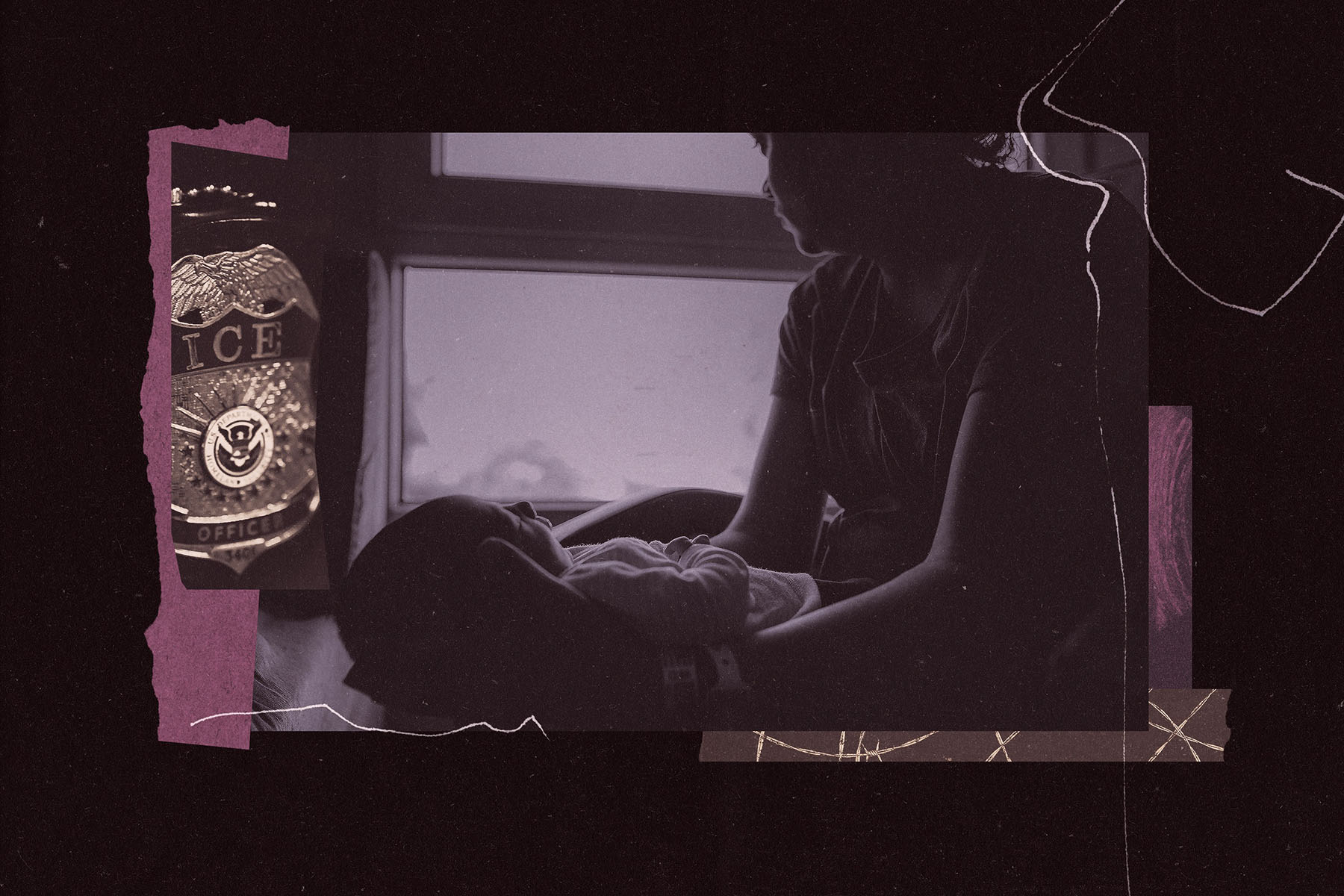
Immigrants Face Isolation and Fear During Early Motherhood
Laura stopped venturing outside a few weeks prior to giving birth, living in a Minneapolis suburb where many in her community faced immigration enforcement. She reflects on mothers who have been pulled away from their infants and the children relocated to detention facilities. The stress of her circumstances weighed heavily on her during labor; doctors warned that her body couldn’t produce adequate oxytocin—a crucial hormone for childbirth and breastfeeding. Lower oxytocin levels have been linked to postpartum depression.
Challenges of Childbirth Amid Fear
Laura’s labor began in the early hours of January 14, as she reached out to her doula for assistance. Her father had been deported years earlier, and since her boyfriend had been living with her mother while her father faced detention, they feared that leaving to take Laura to the hospital would put him at risk as well.
A New Beginning with Restrictions
On that January day, Laura welcomed a healthy 7-pound daughter into the world. Despite being surrounded by her boyfriend and doula during the initial hours post-birth, she longed for the presence of friends and family. Lingering anxiety overshadowed her joy as she was left to wonder about the potential risks to her baby should anyone attempt to visit her in the hospital.
Continued Isolation After Hospital Release
Upon returning home, Laura transitioned from one form of isolation to another, moving into a one-bedroom apartment rarely visited by others. The reality of motherhood set in as she realized that immigration fears drastically limited her support network. With her boyfriend hardly able to see their daughter since the hospital, Laura felt the weight of loneliness grow heavier.
Impact of Immigration Policies on Maternal Health
Despite a reduction in federal immigration activity in Minnesota, Laura remains fearful of the consequences that could arise if immigration officials were to apprehend her. The residual impact of the Trump administration’s aggressive immigration policy has led to widespread avoidance of necessary medical care among many immigrants, coupled with anxiety over seeking employment or even simply visiting friends and family.
Health Risks Amplified by Isolation
Research shows that social isolation exacerbates chronic health issues, heightening the risk of depression and post-traumatic stress disorder. This concern is especially pronounced for new mothers, who experience a higher incidence of postpartum complications and often lack adequate healthcare access due to insurance limitations. Latinas, in particular, are statistically more vulnerable to postpartum depression, yet less likely to receive the treatment they need.
The Long Road to Recovery
The postpartum period can be fraught with difficulties, as new mothers navigate hormonal changes and the demands of infant care. Complications related to childbirth, such as infections and hemorrhage, can pose significant health risks, underscoring the importance of support during this critical time. Unfortunately, immigration crackdowns have made effective healthcare access impossible for many women, leaving them and their newborns vulnerable.
Community Responses and Support
Local advocates have recognized the urgent need for support in the immigrant community. Notably, educators like Kate Percuoco have mobilized to provide resources and assistance in the wake of heightened restrictions, as families remain hesitant to leave their homes. The pervasive fear rooted in the immigration crisis continues to affect how immigrants approach medical care and everyday life, with long-standing ramifications for their mental and physical well-being.
