


Impact of Rising Costs on Local Businesses
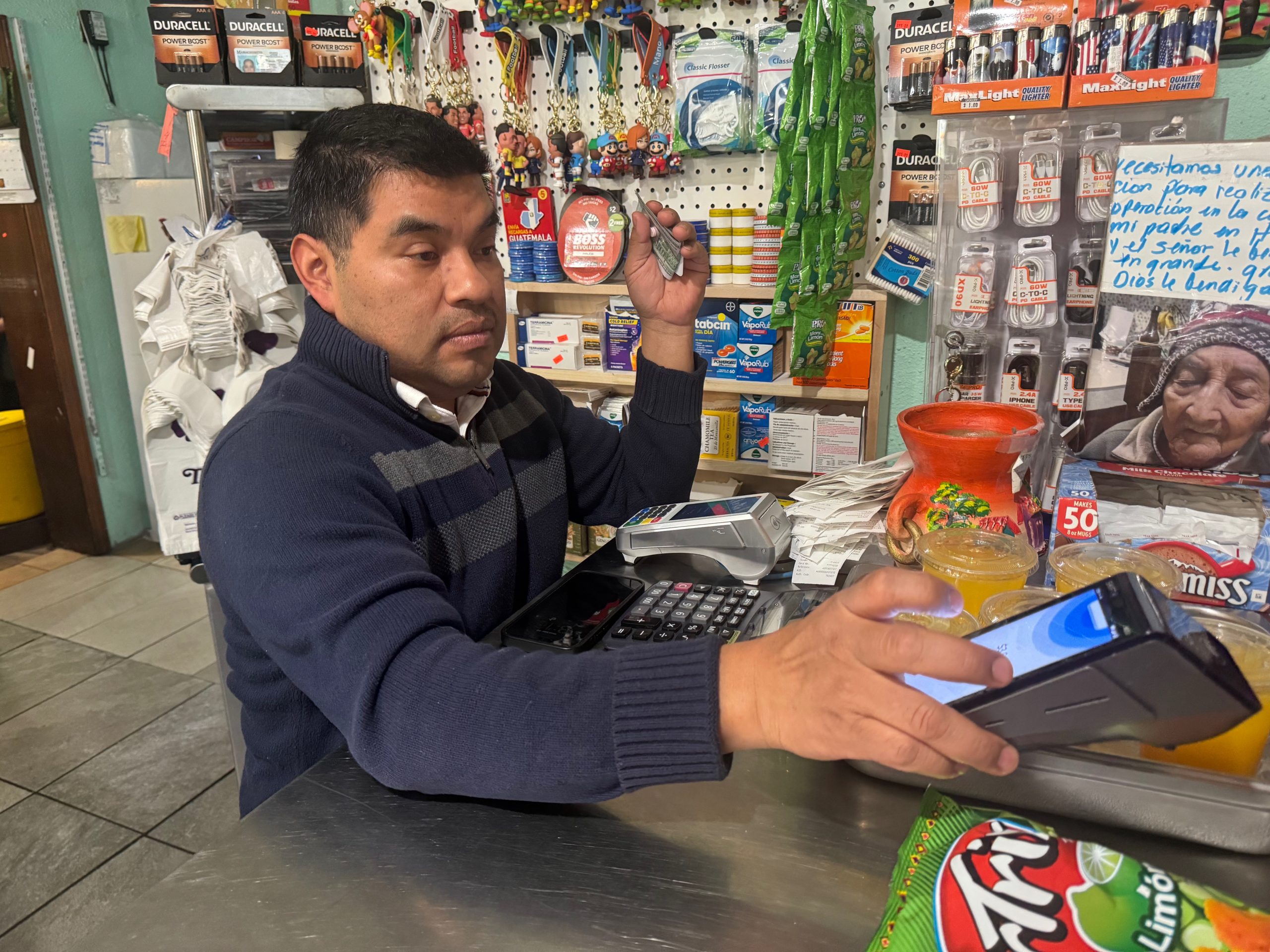
NEW BEDFORD — A malfunctioning card reader left Martín Ordóñez frustrated as he exited the Restaurant y Tortilleria Guatemalteco, where he’d just purchased a bag of potato chips. The price of those chips, which had been $3.50 just a month prior, now reflected ongoing inflationary pressures, prompting Ordóñez to raise prices. He cited rising costs for meat and coconut water among the contributors to this adjustment.
Ordóñez attributed part of these increases to geopolitical factors, speculating that the ongoing conflict with Iran has worsened an already challenging business climate. He reported a staggering 35% decline in his restaurant’s revenue since January 2025, coinciding with the initiation of a mass deportation campaign under former President Donald Trump. “Everyone is scared,” he remarked. “People are hesitant to go out, leading to reduced spending.”
This narrative aligns with findings from a report by Democratic staff on the U.S. Senate Small Business and Entrepreneurship Committee, released in March. Senator Ed Markey from Massachusetts, the committee’s ranking member, expressed his commitment to illuminate the substantial negative impacts of the Trump administration on small businesses. “New Bedford is where the consequences have been most pronounced,” noted Markey.
The report indicated a downturn in economic activity in regions heavily affected by immigration enforcement actions. For example, during Operation Midway Blitz, restaurant sales in Chicago plunged by as much as 60%. Additionally, small businesses in Minneapolis reported an $81 million revenue loss after Operation Metro Surge, while Orange County, California, endured around $58.9 million in lost economic output over an eight-week span due to federal immigration enforcement measures.
Markey’s analysis revealed that 31% of small businesses across Massachusetts reported being impacted by immigration enforcement, with Latino-owned enterprises bearing the brunt — over 40% reported adverse effects. The presence of ICE has left employees fearful about their jobs, resulting in labor shortages and consequent revenue losses. “Yet this problem extends beyond New Bedford and the South Coast,” he added.
Effects of Industrial Uncertainty
As immigration enforcement actions led to the detention of at least 70 individuals in New Bedford, concerns rose about employees’ safety, especially after recent fatalities involving ICE and U.S. Customs and Border Protection agents in Minneapolis. Many arrests occurred while immigrants were attending court sessions. Massachusetts has seen a sharp uptick in such enforcement, with Operations Patriot and Patriot 2.0 resulting in nearly 3,000 arrests since May 2025. The unpredictable nature of these actions continues to weigh heavily on both consumers and local businesses.
“The primary impact is uncertainty,” stated Anthony Sapienza, the board chairman of the New Bedford Economic Development Council. He pointed out that employers frequently express fears as workers avoid coming to work. The Port of New Bedford boasts numerous seafood processing plants that employ a significant number of Central American workers, raising alarms over potential large-scale immigration raids.
While Sapienza has not experienced significant raids in his own business, he noted that employee absenteeism is common due to fear. “Sometimes they just don’t show up because they feel endangered,” he explained. Sapienza emphasized that concrete economic data about the consequences of immigration enforcement is challenging to gather, as business owners and advocates often rely on anecdotal evidence. However, prevailing trends indicate discernible negative effects.
Business Climate Under Threat
Tony Cabrera, the owner of Taqueria La Raza on Acushnet Street, highlighted last September that aggressive immigration enforcement in the area had led to a 50% decline in his sales. “Things haven’t improved since then,” he remarked in a recent interview. “People are afraid, and fear translates into diminished business,” Cabrera added, noting the scarcity of consumer spending in the area.
The U.S. Senate Economic Report corroborated these observations, revealing potential adverse effects on job creation. Citing a study from the Economic Policy Institute, it warned that if the administration fulfills its goal of deporting 4 million individuals, it could lead to a loss of approximately 5.9 million jobs for immigrants and native-born Americans alike across the U.S.
“In Massachusetts, only 2% of individuals arrested during the September 2025 enforcement surge had violent criminal records,” Markey asserted. “Rather than targeting dangerous offenders, enforcement measures are capturing nursing assistants, restaurant staff, and other vital contributors to local economies.”
Advocacy for Comprehensive Immigration Reform
Voices within immigrant communities suggest that restoring economic stability involves fostering a sense of security. “We’re talking about working individuals, not criminals,” Ordóñez emphasized. “They contribute not just to their families but to their communities as well.”
There is a consensus among local leaders that government action is necessary to rebuild trust within these communities. Recent executive measures barring immigration enforcement on state property and proposals like the Protection Act emerging from Beacon Hill are viewed as steps in the right direction. “We need to ensure accountability for any actions taken by federal agents in our communities,” Sapienza urged.
Markey has shown support for a range of legislative initiatives aimed at addressing these issues, including the PROTECT Act, which seeks to enhance protections for immigrants. Additionally, his Small Business ICE Disruption Act, if enacted, would establish a $200 million fund to aid small businesses affected by federal immigration actions. He described this as “Main Street disaster relief.”
Furthermore, Markey recently introduced the SHIELD Act, which would enable the attorney general to allocate grants to provide legal representation for immigrants facing deportation, an area often left unfunded. “We must ensure access to legal counsel,” he stated. “No one should have to defend themselves inappropriately in court.”
Local efforts to support immigrant communities also include providing resource information on rights in public buildings, enabling residents to feel safer while accessing work opportunities. Sapienza referenced the successful approaches of municipalities like Worcester, advocating for similar local adaptations to lessen economic fears. “Facilitating a secure environment will encourage people to return to work and explore job opportunities, substantially improving economic stability in our communities,” he concluded.
Contact Kevin G. Andrade at kandrade@newbedfordlight.org
