


Tariffs and Rising Gas Prices Pressure Affordability
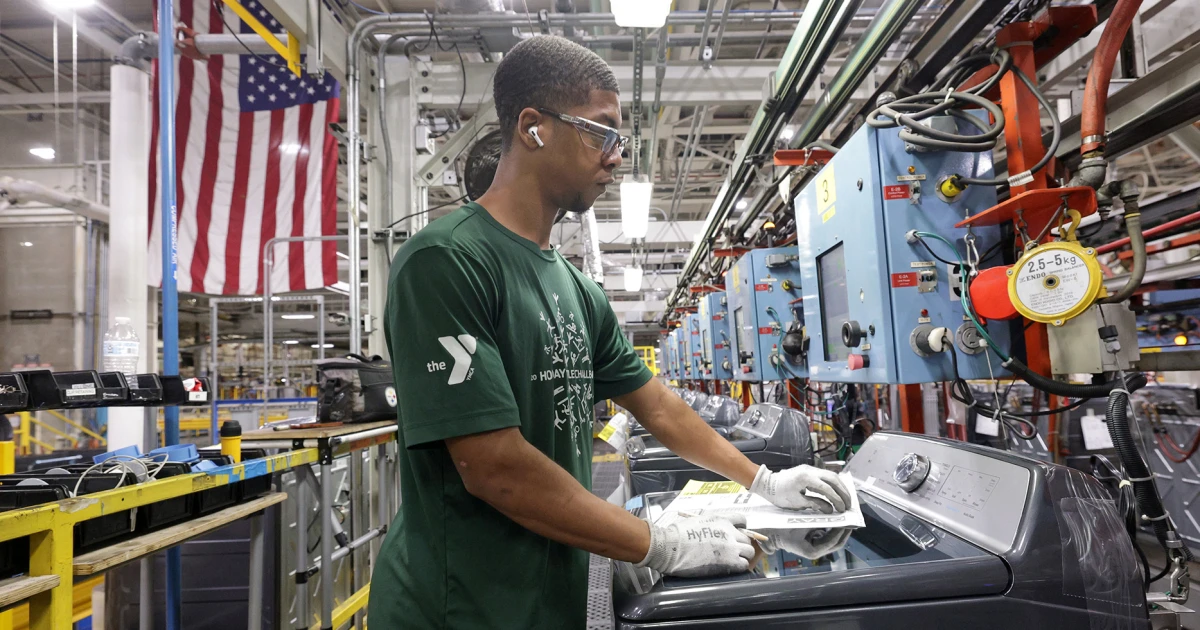
With increasing tariffs and surging gas prices, the financial burden on Americans is escalating, exacerbated by a slowdown in wage growth. The latest government figures reveal that non-supervisory workers saw an average hourly wage increase of just 3.4% last year, marking the slowest pace since 2021 and a decline from nearly 4% in previous years.
Wage Growth Slows Amid Rising Inflation Concerns
This deceleration in wage growth has sparked concerns among economists, particularly as inflation pressures mount. The ongoing conflict in Iran has disrupted oil tanker operations, contributing to a spike in gasoline prices, which surged more than $1 per gallon in just one month, reaching an average of $4.09.
Transportation Costs Impact Retailers and Consumers
Diesel prices have also climbed, currently exceeding $5.50 per gallon, a significant increase from $3.89 just a month prior. Retailers are now grappling with these rising transportation costs. In response, Amazon announced a new 3.5% “fuel and logistics surcharge” that will take effect on April 17.
Airlines Adjust Fees to Combat Rising Jet Fuel Costs
Airline companies are also feeling the pinch. United Airlines and JetBlue Airways have announced increases in baggage fees to offset soaring jet fuel costs, which have risen by 104% in the past month, according to the International Air Transport Association.
Inflation’s Impact on Real Wage Growth
“The recent inflation surge driven by rising energy costs is likely to exacerbate the slowdown in real wage growth, placing additional pressure on consumers,” remarked David Royal, Chief Financial Officer at Thrivent. Currently, many Americans perceive their incomes to be growing faster than consumer prices, with a reported annual price increase of 2.4%, against wage growth of 3.4%.
Future Inflation Projections Are Concerning
Since March 2023, wages for non-supervisory employees—representing about 80% of non-agricultural workers—have managed to outpace inflation for now. However, experts like Heather Long from Navy Federal Credit Union warn that escalating oil prices might drive inflation to around 4% this month, exceeding the annual wage growth rate of 3.5%. This shift could squeeze middle-income workers, amplifying affordability issues.
Mortgage Rates and Housing Market Concerns
Economic indicators suggest that slowing wage growth may extend beyond consumer prices, particularly affecting housing market dynamics. The average interest rate for a 30-year fixed mortgage has risen from 5.99% at the onset of the conflict to 6.45% as of April 3, based on reports from Mortgage News Daily. Rising rates are partly driven by fears that the Federal Reserve may need to increase interest rates to mitigate inflationary pressures fueled by the ongoing conflict.
Broad Economic Implications and Consumer Sentiment
If stagnant wages fail to keep pace with the rising cost of living, affordability could decline even further. A recent NBC News poll found that a plurality of respondents view inflation and the cost of living as the most pressing issues facing the nation today. Federal Reserve Chairman Jerome Powell acknowledged the critical need for positive real wage growth, adjusted for inflation, for Americans to regain confidence in their financial outlook. “It will likely take several years of consistent growth in real income to restore a sense of financial security among consumers,” Powell noted, highlighting widespread feelings of economic strain.
