


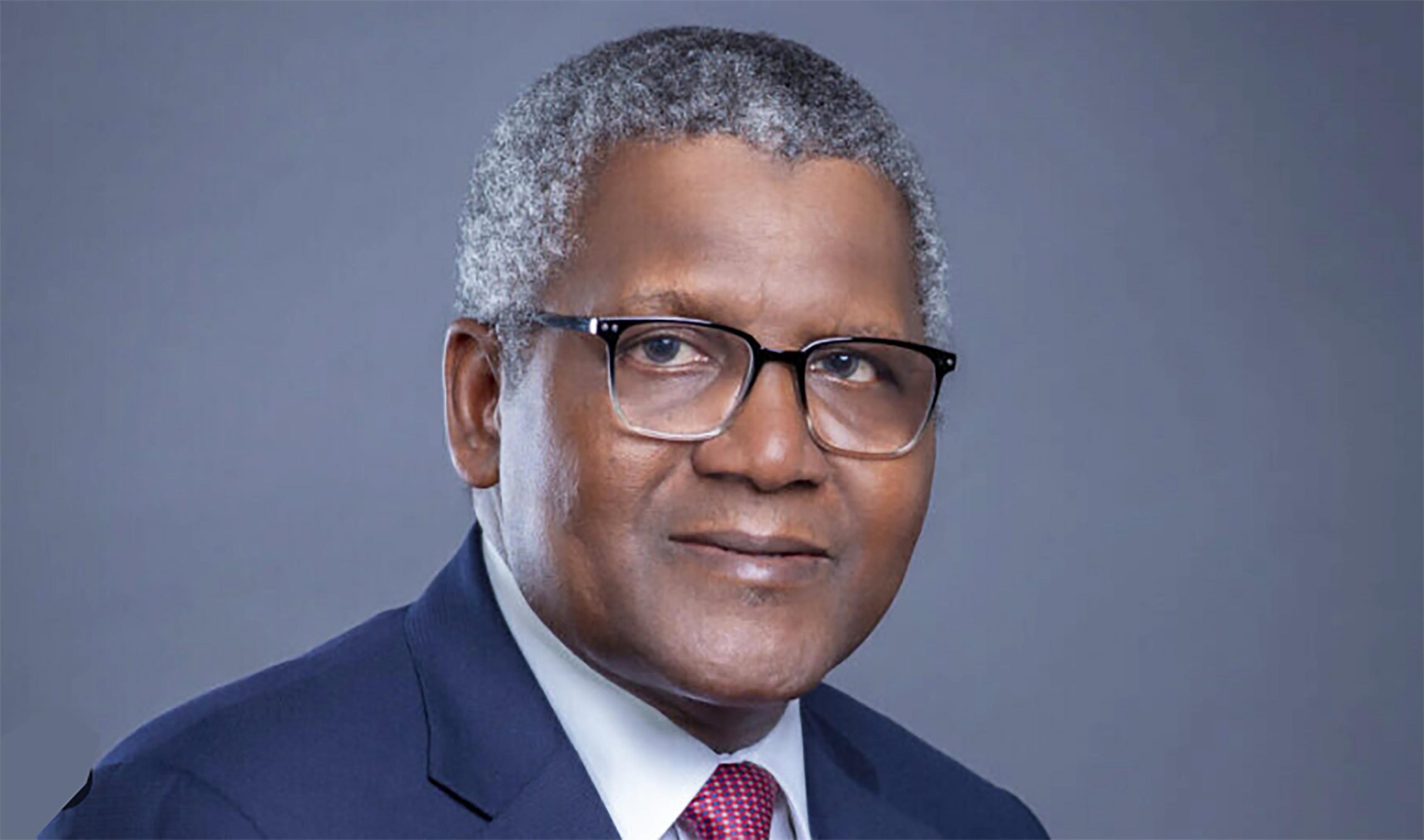
Dangers of Global Instability Highlighted by Dangote Group President
Desi Elmoye in Abuja
Alhaji Aliko Dangote, President of Dangote Group, emphasized the indirect yet profound impact of the ongoing crisis in the Middle East on global economies, including Nigeria’s. He addressed reporters following a recent meeting with President Bola Tinubu at his Ikoyi residence in Lagos.
During his address, Dangote underscored the interconnectedness of today’s global economy, warning that even nations not directly involved in conflicts can feel the repercussions. He pointed to the instability as a major contributor to rising oil prices, which could have severe implications for Nigeria and other African economies.
He explained, “We are part of a global village, and unfortunately, developments like this will affect us even if we are not directly involved.” Dangote cautioned that prolonged geopolitical tensions could lead to heightened fuel prices, increased transportation costs, inflationary pressures, and widespread hardships across the continent.
With economic challenges already at the forefront, he noted that Nigeria could incur additional fiscal burdens as government subsidies rise in response to fluctuating oil revenues. Dangote highlighted that Africa’s mounting debt crisis could be exacerbated under persistent instability, further constraining governments’ fiscal space and diminishing their economic resilience.
“Africa is already grappling with debt, and further shocks will only worsen the plight of governments and citizens,” he remarked. The potential for rising energy costs threatens to disrupt critical industries, impacting small and medium enterprises, manufacturing, logistics operations, and household economies.
Dangote elaborated on the pervasive impact of energy costs, stating, “Energy affects almost everything. Small businesses, industries that rely on generators—all will feel the repercussions if expenses continue to escalate.” He observed that many countries are already implementing adaptations such as reduced work hours and remote working policies to cope with rising costs.
In urging global leaders to prioritize de-escalation, Dangote expressed concern over the disproportionate vulnerability of many Africans who rely on daily incomes. He emphasized, “In Africa and Nigeria, many people depend on their daily income. If they do not work, they cannot eat.” This urgent call for stability reflects the deep-rooted challenges faced by communities that lack financial reserves, with many living day-to-day without savings.
