


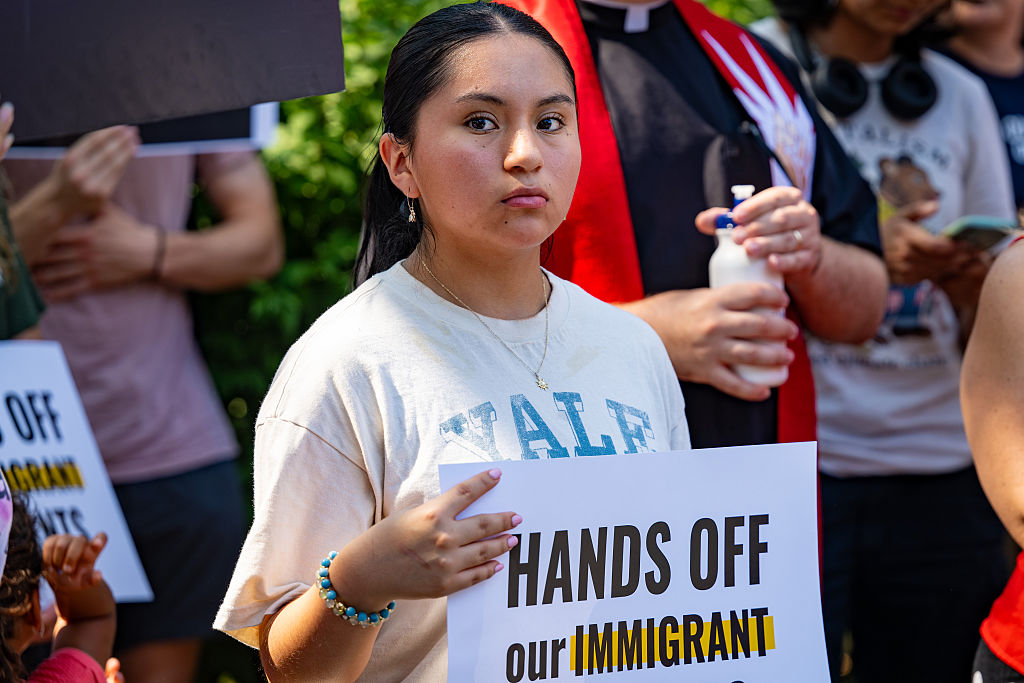
A New Law Challenges Four Decades of Educational Rights for Undocumented Children
This article was originally published by Stay Tuned with Preet Bharara.
Efforts to restrict children’s access to basic education can have dire consequences, hindering their ability to participate fully in society. Alarmingly, a political push is underway to deny undocumented children this crucial opportunity.
The legal framework surrounding education rights is straightforward. The Supreme Court has established that every child, regardless of immigration status, has the right to a K-12 education. However, the growing anti-immigrant sentiments threaten to upend this precedent, leading to a systematic effort to exclude vulnerable children from public education.
This effort is a direct challenge to the landmark 1982 Supreme Court decision in Plyler v. Doe, which established that states cannot deny undocumented children access to free public schooling. This ruling emerged from the Equal Protection Clause of the Fourteenth Amendment, emphasizing that education is not merely a benefit—it is essential for the development of individuals and society. Denying educational access would not only harm individual children but create a lasting underclass, sidelined from civic life and economic participation.
The rationale behind Plyler continues to resonate today, becoming even more critical as states introduce laws that could undermine the ruling. Opponents of Plyler often frame the debate as one of taxpayers funding the education of “illegal immigrants,” yet a recent study revealed that undocumented immigrants contribute roughly $100 billion in taxes annually, while remaining ineligible for most government benefits like Social Security and Medicare.
Education systems have traditionally not inquired about immigration status at enrollment, allowing children to attend school, learn, and ultimately contribute to society. This norm was circumvented by Alabama’s HB56 in 2011, which mandated the disclosure of parents’ immigration status on school records. The Eleventh Circuit deemed this law unconstitutional for creating a “chilling effect” that deterred enrollment among immigrant families, including U.S. citizens. The Supreme Court’s refusal to review this case preserved the gains made under Plyler.
However, recent legislative maneuvers indicate a concerted effort to challenge the stability of Plyler. At least six states introduced bills attempting to mandate immigration status verification for school enrollment. Notably, Tennessee’s House has already passed such legislation, positioning it within broader school voucher discussions. Similar initiatives are being pursued in states like Idaho, Ohio, and Oklahoma, backed by groups like the Heritage Foundation seeking to provoke a legal challenge to Plyler that could ultimately reach the Supreme Court.

This legislative pattern reveals an alarming trend: openly advocating that children within our communities should be denied educational opportunities is not only legally unsound, but morally objectionable. With an estimated 600,000 to 850,000 undocumented children currently receiving K-12 education, their exclusion from schools would not only inflict personal harm but also negatively impact the broader community.
America has a history of investing in future generations, independent of their legal status. Public education epitomizes this principle, shaped by the understanding that every child deserves a chance to learn and thrive. Reductionist arguments against Plyler treat children as mere budget lines while failing to recognize the significant contributions they can make to society. Education enhances innovation and creativity, and denying it stifles America’s potential.
The current ideological landscape of the Supreme Court raises concerns about the stability of Plyler, which was decided on a razor-thin margin. The Court has shown a propensity to rethink previous rulings, raising alarms about the viability of longstanding legal protections for vulnerable populations. The ongoing attempts to undermine Plyler are not incidental but are part of a calculated strategy to instigate legal challenges that could reshape educational access.
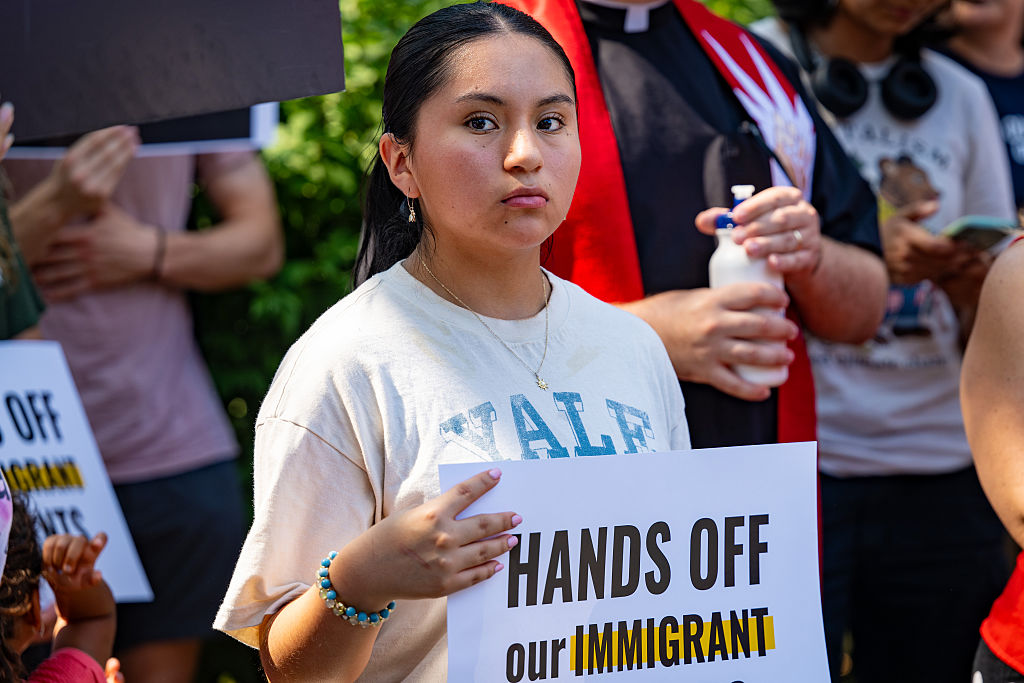
This effort to dismantle Plyler is not merely an attack on education policy; it reflects a broader ideological struggle involving our national identity. Reasonable arguments can be made about border control and immigration reform, but denying children their fundamental right to education is neither reasonable nor defensible. It disregards both constitutional rights and the shared values of a diverse society. The legacy of Plyler reflects the consensus that children should not be punished for factors beyond their control and that education should never be weaponized.
Abandoning this commitment to education is more than just a legal infraction; it signifies a potential shift in our collective values. When we begin to deem some children as undeserving of educational opportunities, we risk eroding the fundamental rights of others in our society.
