


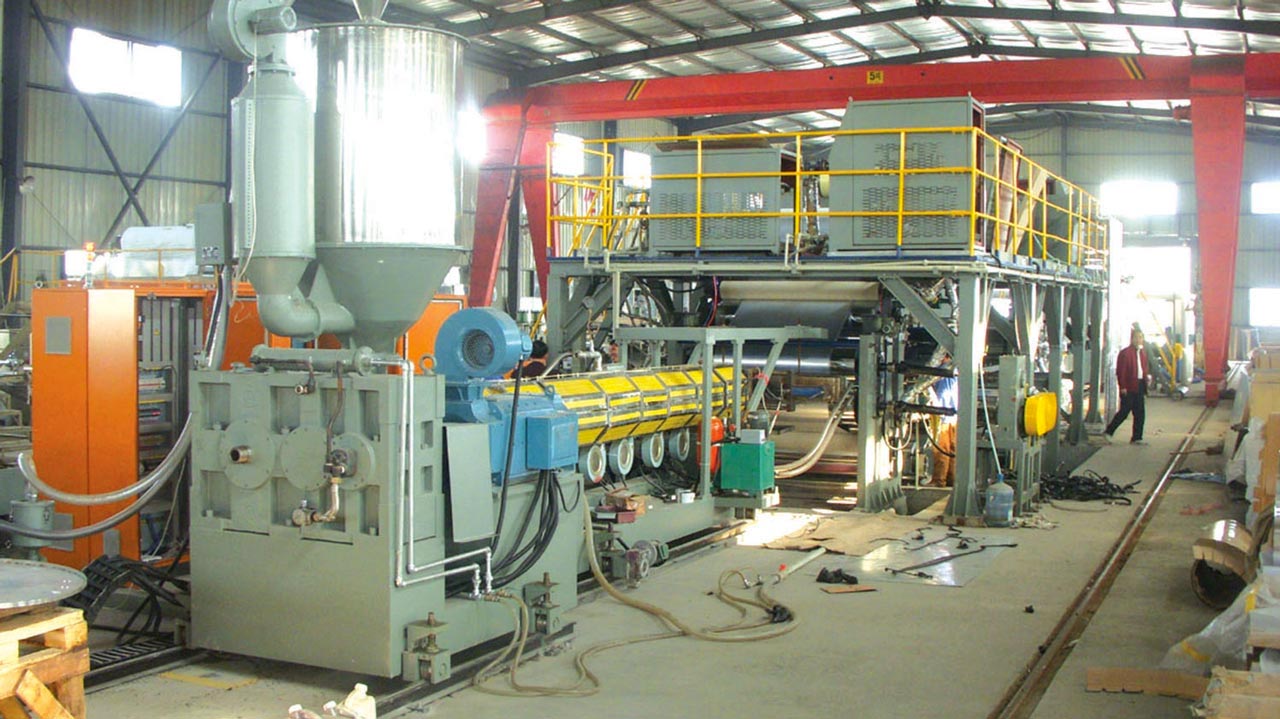
Technological Industrialization in Nigeria: A Dual Focus for Development
The technological industrialization of Nigeria is as crucial as its agricultural development. Both sectors require equal attention and investment if the nation aspires to evolve into a developed country. Without a concerted effort to advance both areas, Nigeria risks remaining a mere supplier of raw materials, reminiscent of its pre-oil discovery days.
The ramifications of neglecting agricultural and mineral production could lead to significant waste and missed opportunities. Nigeria has the potential to harness its agricultural output and mineral resources, such as oil, for its own economic benefit rather than allowing others to profit from them. Achieving this transformation demands a simultaneous focus on both technology and education, as the nation must build a competitive edge globally.
This transformative journey is inherently scientific, fusing technical education with artistic innovation. The foundation of any industry starts with creative concepts, whether they encompass entire systems or specific components. Designers and architects initially conceptualize these ideas, which are later brought to fruition with the collaboration of engineers and industry experts. Unfortunately, Nigeria currently lacks the drive to foster such creativity across both large-scale and small-scale industrial sectors.
To catalyze this industrial revolution, Nigeria must invest in both academic and technical education, fostering an environment where practical experimentation is embraced rather than feared. Training programs ought to be proactive, focusing on milestone evaluations to track progress. This evolution in education must withstand political influence, providing Nigeria with the tools to tackle its sweeping social, environmental, financial, and industrial challenges.
Recognizing the need for natural graphic expression is essential. The government should mandate the teaching of art and design in schools, starting from early childhood through to the completion of secondary education. Additionally, educators require ongoing training in both artistic and technical disciplines to foster a deeper understanding of industrial needs. This commitment to continuous development can enrich the learning experience for students, whether in urban or rural settings.
Establishing practical laboratories in schools will further enhance educational offerings, allowing students to gain hands-on experience and familiarize themselves with industry standards. Collaborative initiatives between universities, polytechnics, and industry can promote technical training in various fields, such as carpentry, plastics technology, and machinery. The focus should also extend to the steel industry, encompassing processes crucial for civil, structural, and mechanical applications.
While Nigeria possesses the potential for industrialization, it currently faces a lack of preparedness and educational support for the manufacturing sector. Various government entities, including the Nigerian Navy and NEPA, have historically aimed at training personnel for industrial needs. However, pervasive corruption and politicization have hindered progress, leading to a crisis characterized by high youth unemployment and social disintegration.
Inevitably, it is time for Nigeria to redirect its focus from incessant political debates to the pressing need for youth education and employment. Reforms must engage all stakeholders—government officials, educators, and families alike—to redefine the purpose of education and its applicability toward achieving personal and national aspirations. Failure to act may result in the emergence of discontent among the youth, perpetuating cycles of unrest and instability.
