


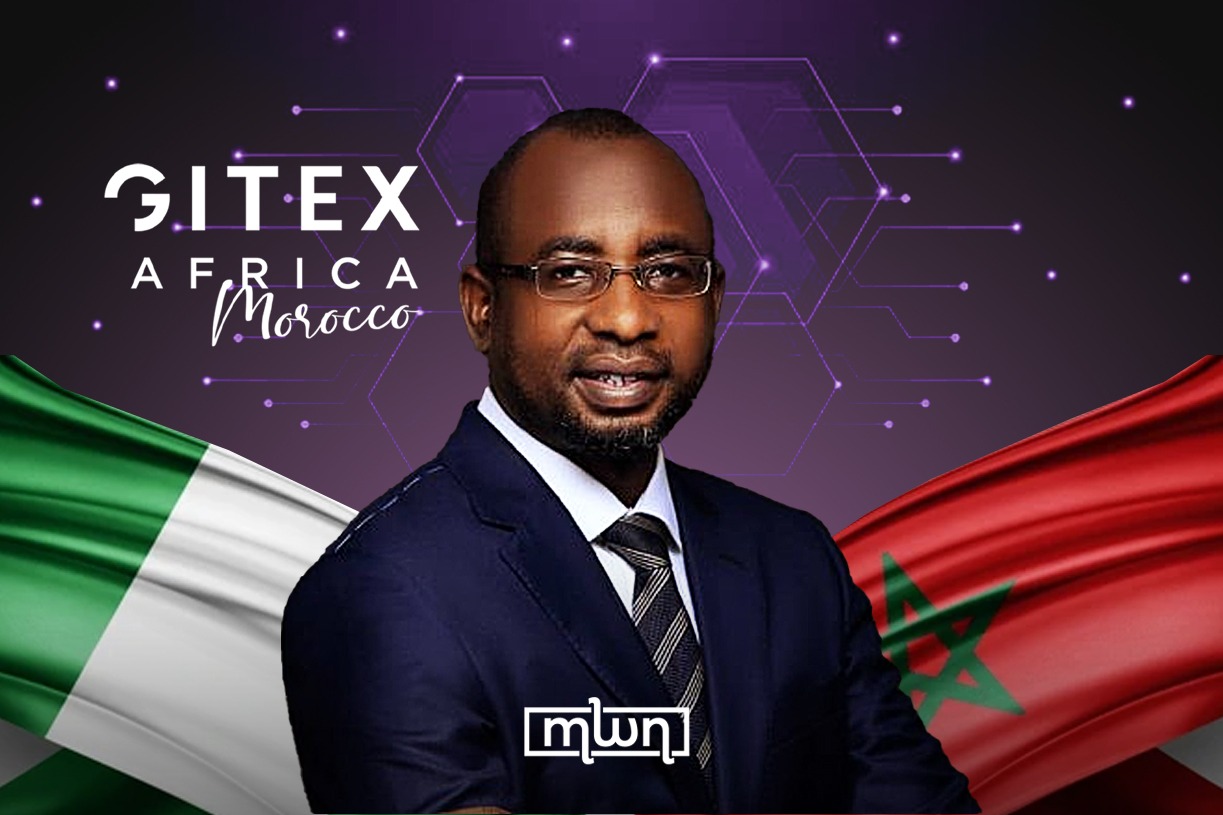
Marrakech Hosts GITEX Africa Amid Calls for Enhanced Cooperation Between Nigeria and Morocco
Marrakech is gearing up for the fourth edition of GITEX Africa, scheduled for April 7 to 9. Amid this backdrop, a prominent African technology leader has emphasized the need for stronger collaboration between Nigeria and Morocco, highlighting potential advancements in digital cooperation on the continent.
Kashif Inuwa Abdullahi, the Director-General of Nigeria’s National Information Technology Development Authority (NITDA), shared insights in an exclusive interview with Morocco World News. He identified the prospect of a bilateral technology partnership between Nigeria and Morocco as “perhaps the most attractive but undervalued opportunity” in Africa’s tech landscape.
With a background from the Massachusetts Institute of Technology (MIT), Abdullahi has played a pivotal role in reshaping Nigeria’s tech policy over the past six years. His leadership has coincided with significant events such as the pandemic, a surge in startups, and the global focus on artificial intelligence. Under his guidance, NITDA plans to implement a national AI and data protection strategy, launch the continent’s largest technology talent program, and introduce GITEX to Nigeria for the first time in 2025.
This year’s GITEX Africa, themed ‘Promoting Africa’s digital economy in the age of artificial intelligence,’ presents an opportunity for Abdullahi to advocate for partnerships within the continent, emphasizing collaboration based on shared strengths rather than extractive practices.
Abdullahi acknowledged Morocco’s advancements in integrating digital systems within manufacturing and asserted that Nigeria’s expertise in fintech could significantly benefit Morocco’s private sector. He believes that the exchange of knowledge between the two nations represents the foundation for genuine cooperation.
He referred to the African Continental Free Trade Area (AfCFTA) as a crucial framework for enhancing commerce among African nations but cautioned that robust digital infrastructure—such as e-invoicing standards and interoperable payment systems—is still in development. He argued that a partnership between Nigeria and Morocco could set a precedent for digital standards across the continent.
Turning attention to specific sectors, Abdullahi underscored the potential for collaboration in AI research focusing on agriculture, renewable energy, and manufacturing. Emphasizing the urgency of addressing climate change, he remarked that African countries must share resources and data instead of relying on isolated systems to tackle pressing challenges together.
Abdullahi’s vision extends to building a strong foundation for Nigeria’s digital future, advocating a cautious and deliberate approach to technology project approvals. His commitment to enhancing digital literacy and addressing the infrastructure needs of millions has led to significant policy initiatives aimed at empowering the nation’s youth through digital skills development.
Looking ahead, Abdullahi envisions a future where Africa is not merely seen as an emerging market but as a vibrant contributor to the global tech ecosystem. He urges the international tech community to engage positively—inviting them to invest in building sustainable partnerships rather than exploiting existing opportunities.
As GITEX Africa 2026 approaches, expectations are high for participation from over 1,500 exhibitors and industry professionals from more than 130 countries. This flagship event highlights the important dialogue surrounding digital sovereignty and regional collaboration, with Morocco positioned as a key ally in advancing Africa’s technological infrastructure.
