


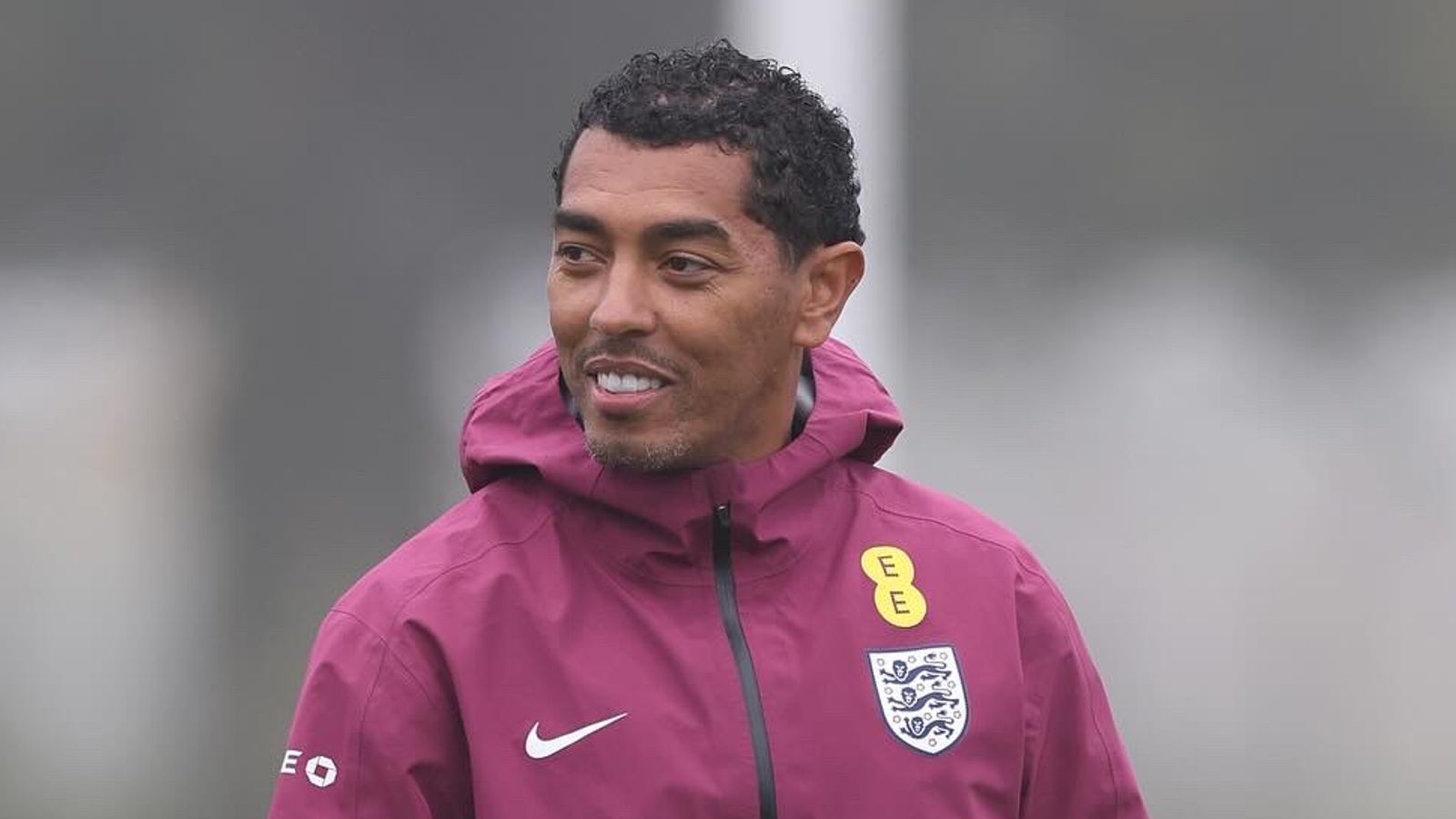
Chris Lock Reflects on His Unique Journey from Firefighter to Football Coach
Chris Lock, a former firefighter turned football coach, recently shared insights into the demanding nature of both professions. “I’m at the scene of a house fire,” he recounted, emphasizing the gravity of his past responsibilities. After 19 years as a firefighter, he faced high-pressure situations daily. “You’re always dealing with people on their worst days. While I respect the importance of football, at the end of the day, it’s still just a game.”
Lock’s insights come from a wealth of experience, particularly as the manager of Charlton’s Under-21s team. Unlike many coaches, his background offers a compelling perspective on accountability and decision-making. “The fire department prepared me for this role; it taught me how to make difficult choices and live with the outcomes,” he explained. Adaptability is crucial, he noted, as he emphasizes how vital effective leadership is, both on and off the field.
A Path Paved by Football Dreams and Life’s Challenges
Lock’s journey back to football is layered with personal history, starting with his early aspirations as a young player. After stints with Crystal Palace and a professional contract with Fulham, Lock was eager to learn. “I was curious about the game and wanted to understand all its nuances.” His experiences at Fulham were pivotal, influenced by coaches like Paul Nevin and Christian Damiano, who nurtured his early interest in coaching.
Unfortunately, a pelvic injury curtailed his playing career before it could truly commence. “It always felt like unfinished business,” he reflected on his early exit from football. The birth of his first child catalyzed a shift in priorities, forcing him to reevaluate his dreams against the realities of parenthood and financial stability.
From Firefighting to Coaching Grassroots Football
An unexpected turn led Lock back to football through grassroots coaching, spurred by his children’s involvement in the sport. “When their coach quit, I stepped in,” he said. This moment proved serendipitous, eventually leading him to establish Carpe Diem FC, aimed at providing opportunities for young players of varying skill levels. “We started with one team, and it quickly expanded to three,” he added, highlighting his commitment to youth development over elitism.
As his coaching roles flourished, so did his ability to cultivate promising talent. Lock’s dedication resulted in multiple success stories, including players who have moved up to represent England at various levels. Even his son, Paris, is among those benefiting from his guidance, which he delivers with heightened expectations. “I’m tougher on him than anyone else,” he admitted.
Commitment to Football as a Way of Life
Lock’s transition from firefighting to full-time coaching required significant sacrifices. “I had to take a step back from the fire brigade, knowing that I needed to invest fully in my football career.” This bold move marked a pivotal moment in his life, reaffirming his commitment to pursuing his passion as a coach. His rising profile was solidified when he joined the England coaching staff for the Under-17 World Cup and worked with standout talents at Liverpool and Arsenal.
Through his engagement in the football community, Lock has reinforced the importance of building trust and respect within teams. “Coaching elite players requires the ability to maintain honest relationships,” he remarked, drawing parallels between his experiences in the fire department and football.
Lessons Learned and a Bright Future Ahead
Lock values the mentorship he received at Charlton, recognizing how significant figures like Steve Avory and Tom Pell played a part in his development as a coach. Through his own journey, he emphasizes the essential lessons learned from both football and firefighting, including the intertwining nature of support and strategy in effective leadership.
Ultimately, it is Lock’s unique background that sets him apart. “The fire department has always anchored me,” he expressed, suggesting that the skills and mindset cultivated in that environment have greatly contributed to his ongoing success in football coaching.
