


Nationwide Protests as Thousands Join the No King Movement
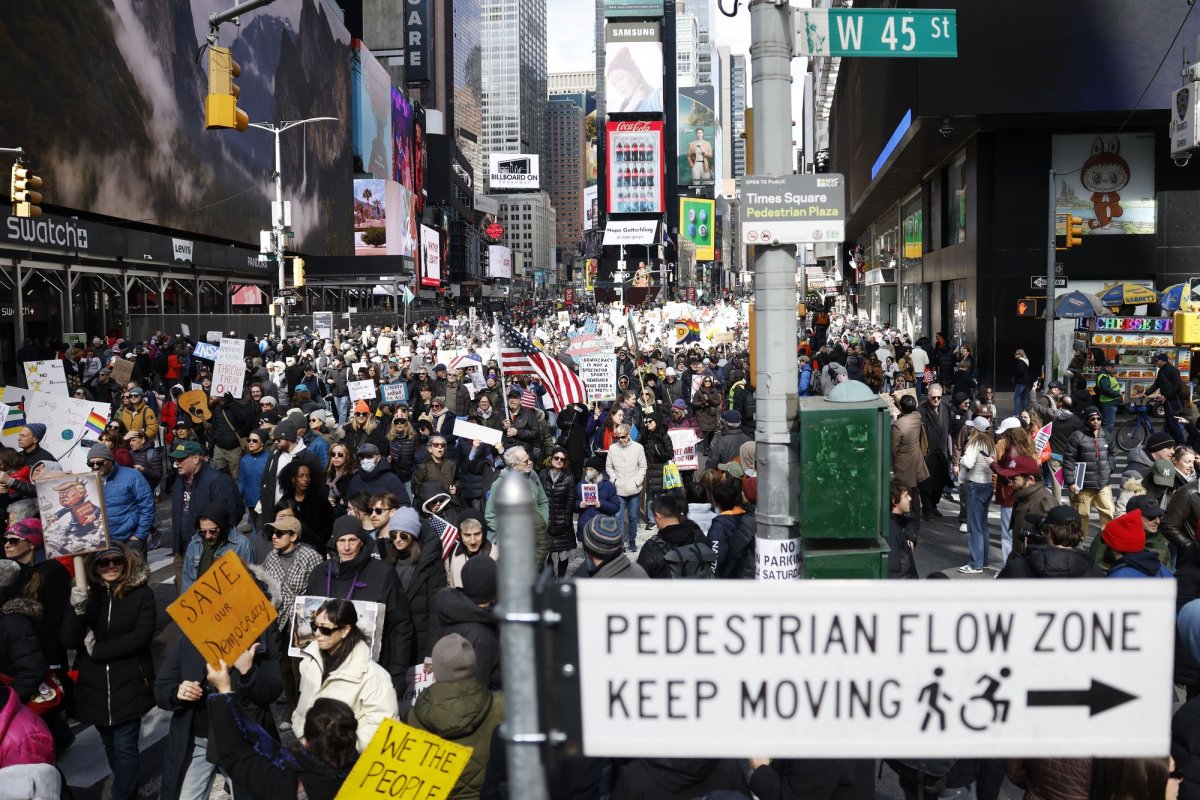
On March 29, participants across the country gathered for thousands of “No King” demonstrations, expressing their opposition to President Donald Trump’s immigration policies, military actions against Iran, and his branding efforts on federal properties and funds.
Mass Participation and Divergent Estimates
Organizers of the No Kings movement assert that approximately 8 million people participated in Saturday’s protests, which occurred at over 3,000 sites nationwide. However, a report from The New York Times indicates that these estimates may be inflated, with some local public safety officials providing lower attendance figures than those reported by organizers.
Highlighting the Event at Minnesota State Capitol
More than 200,000 individuals convened at the Minnesota State Capitol in St. Paul for a major rally. Among the attendees were notable figures such as Senator Bernie Sanders, singer Joan Baez, actress Jane Fonda, and Governor Tim Walz. Bruce Springsteen also performed “Streets of Minneapolis,” an original song inspired by recent civilian casualties due to federal immigration enforcement actions.
Demonstration’s Dual Purpose in Minnesota
The Minnesota Star Tribune highlighted that the St. Paul demonstration served a dual purpose: condemning the actions of the Trump administration while also celebrating local efforts to resist the increasing federal immigration enforcement. It was a moment for solidarity against perceived federal overreach.
Advocacy for Societal Change
During the gathering, Minnesota Attorney General Keith Ellison urged participants to envision a society that transcends the current administration. He stated that the rights gained through struggle are now threatened, attributing this predicament partly to the last election. Ellison emphasized the need for a forthcoming election to rectify this situation.
Concerns Over Military Engagements
At the University of Iowa, organizer Katie Gates pointed out that many young demonstrators are motivated by historical context, specifically the long-standing wars in the Middle East. She criticized President Trump’s military actions against Iran, which began on February 28, asserting that many are frustrated by military interventions occurring without Congressional consent.
Legislative Response to Presidential Branding
In a separate but related development, Senator Kirsten Gillibrand (D-N.Y.) introduced a bill intended to prevent sitting presidents from having their names displayed on federal properties or currency. Gillibrand emphasized that American values do not include allegiance to a king and urged the president to prioritize issues such as food affordability and healthcare instead of personal branding efforts.
Bill Aims to Curb Presidential Branding
The proposed legislation, inspired by Trump’s name appearing on the John F. Kennedy Center for the Performing Arts and his plans for currency branding, aims to prevent the display of a president’s likeness on federal buildings, warships, and commemorative coins. Gillibrand’s initiative seeks to ensure that government actions reflect the will of the people rather than the ambitions of individual leaders.
