


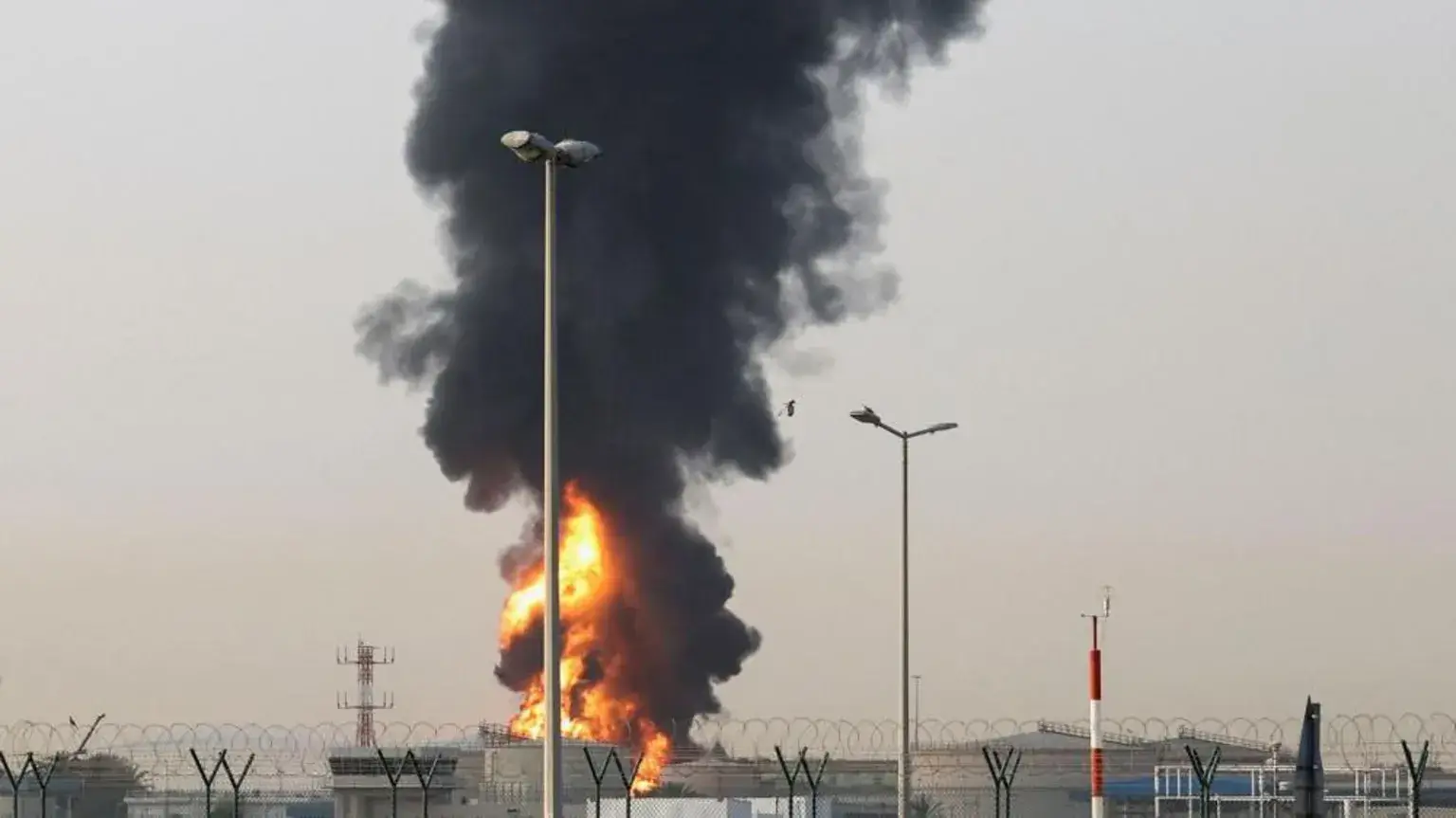
Smoke billows from the Fujairah oil industry area following the interception of an Iranian drone over a port on March 14.
On Tuesday, Iran launched multiple waves of missiles targeting Israel while categorically denying any discussions were underway with the United States. This denial starkly contradicted statements made by President Donald Trump, sending global markets—previously buoyed by hopes for a diplomatic resolution—into disarray just hours later.
Iranian Parliament Speaker Mohammad Baqer Qalibaf, identified by Israeli officials and other sources as Iran’s point of contact for the alleged negotiations, dismissed Trump’s claims outright. According to Reuters, Qalibaf asserted on social media that “no negotiations are taking place with the US,” accusing the American administration of manipulating financial and oil markets through misinformation to detract from the challenges faced by the US and Israel. The Islamic Revolutionary Guard Corps amplified this message, branding President Trump’s comments a “psychological operation” disconnected from Iran’s actual governmental actions.
The missile strikes triggered air raid sirens across Israel, including in Tel Aviv, with the sounds of interceptors audible in the air. Falling debris in northern Israel damaged several homes, but fortunately, no fatalities were reported.
Markets respond to volatility
This turmoil followed a brief surge in market optimism on Monday, as President Trump declared via Truth Social that the US and Iran had engaged in “very good and productive” dialogue aimed at a complete resolution of hostilities. Additionally, he announced a five-day postponement of his threat to incapacitate Iran’s power grid. This news lifted market sentiment, resulting in a rise in stocks and a drop in oil prices below $100 per barrel.
However, by Tuesday, these gains evaporated. Brent crude oil prices increased by 4.2%, reaching $104.21 per barrel, effectively reversing part of Monday’s 10% decline. Meanwhile, US crude climbed 4.3% to $91.93. Market analysts, including IG’s Tony Sycamore, noted that the underlying conditions remain precarious and highly volatile.
Diplomatic backchannels emerge
Amid Iran’s denials, backchannel diplomatic efforts appear to be in motion. European officials have indicated that Egypt, Pakistan, and certain Gulf states are facilitating communication between the two nations, despite a lack of direct negotiations. A Pakistani official, along with a second source, mentioned that face-to-face talks could be scheduled in Islamabad as soon as this week, involving Vice President Vance, Trump’s special envoy Steve Witkoff, and Jared Kushner engaging with Iranian officials after a recent phone conversation between Trump and Pakistan’s military chief, Asim Munir.
While Iran’s Foreign Ministry maintained that no negotiations were progressing, it acknowledged discussions by Foreign Minister Abbas Arakchi regarding issues in the Strait of Hormuz with Omani representatives, committing to continue these discussions.
Israeli Prime Minister Benjamin Netanyahu, after meeting with President Trump, reaffirmed Israel’s intention to persist with military operations. He expressed confidence that Trump could leverage significant military accomplishments by both Israel and the US to forge an agreement that safeguards their key interests. Since hostilities commenced on February 28, Iran has effectively blocked the Strait of Hormuz, a crucial passageway for approximately 20% of global oil and liquefied natural gas shipments, resulting in over 2,000 casualties in the conflict.
