


Iran Launches Missile Attack Amid Diplomatic Tensions
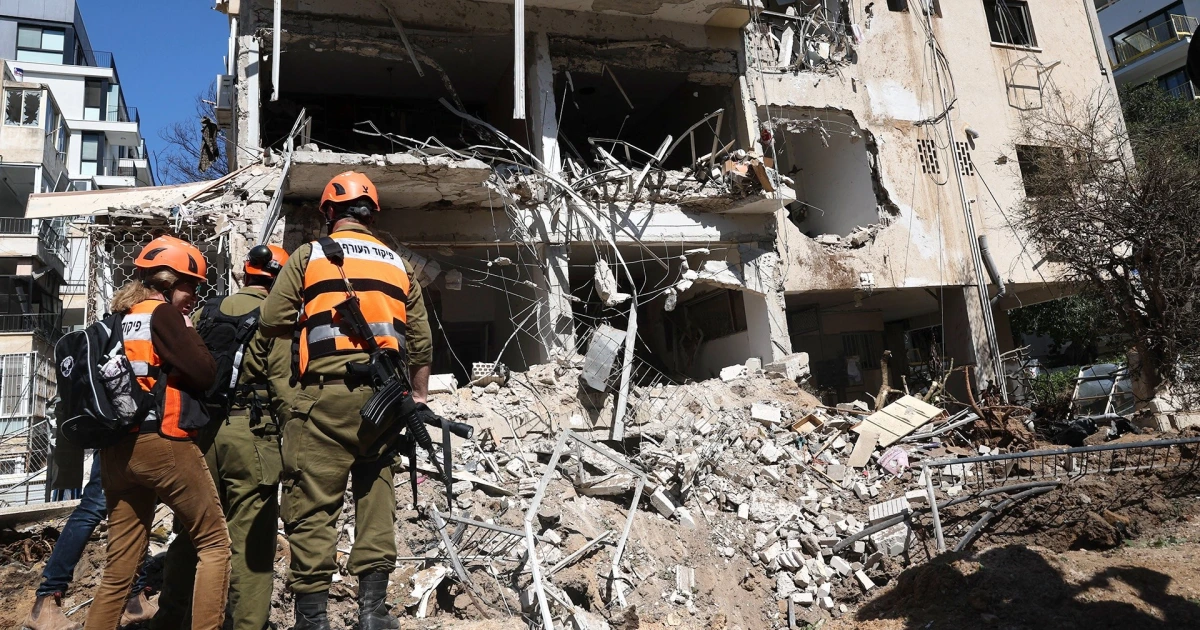
In the latest act of defiance, Iran has launched missiles targeting residential areas in Tel Aviv. This escalation occurs despite President Donald Trump’s assertions that diplomatic avenues for peace in the Middle East are being explored. The Iranian Revolutionary Guards, responsible for the missile strike, have dismissed Trump’s claims of progress, emphasizing that the “deceptive actions” of the U.S. will not distract them from their military objectives. NBC correspondent Richard Engel provides an in-depth report on this developing situation.
Reactions from Military and Political Leaders
The missile strikes have reignited fears over regional stability, sparking immediate reactions from both military analysts and political leaders worldwide. The response from the international community is crucial, as the potential for further escalation remains high. Observers are particularly concerned about the implications this conflict could have not only for Iran and Israel but also for broader geopolitical dynamics in the region.
U.S. Measures as Tensions Escalate
While diplomatic negotiations appear stalled, the U.S. has yet to outline a clear strategy to de-escalate tensions. Defense experts are urging the Trump administration to reconsider its approach, warning that inaction could lead to a deeper crisis. As both nations exchange sharp rhetoric and military maneuvers, the risk of miscalculation remains significant.
Global Economic Implications of Ongoing Conflict
The ramifications of continued hostilities extend beyond military concerns into the economic realm. Investors are monitoring oil prices closely, as disruptions in the Middle East typically trigger fluctuations on global markets. Analysts anticipate that sustained conflict could strain supply chains, worsen inflationary pressures, and destabilize economic recovery post-pandemic.
Local Impact on Civilians
As missile attacks intensify, the immediate and severe impact on civilian populations in affected areas cannot be overlooked. Reports indicate that many residents are grappling with disruption to daily life, heightened fears of future attacks, and growing humanitarian challenges. Relief organizations are mobilizing resources, but access remains limited in conflict zones.
Media Coverage and Public Response
The media’s depiction of these events plays a vital role in shaping public perception. News outlets are under scrutiny as they navigate the complexities of reporting from a conflict zone. The challenge lies in balancing the urgency of breaking news with the necessity of accurate, responsible reporting amid rapidly changing narratives.
Future of U.S.-Iran Relations
The future of U.S.-Iran relations hangs in the balance as each side grapples with its next move. While Trump insists on a commitment to negotiate for peace, Iran’s military actions indicate a resistance to diplomatic overtures. As each nation weighs its options, the international community watches closely, hoping for a resolution that preserves regional and global stability.
