


Iranian Drone Attack Disrupts Qatar’s LNG Production
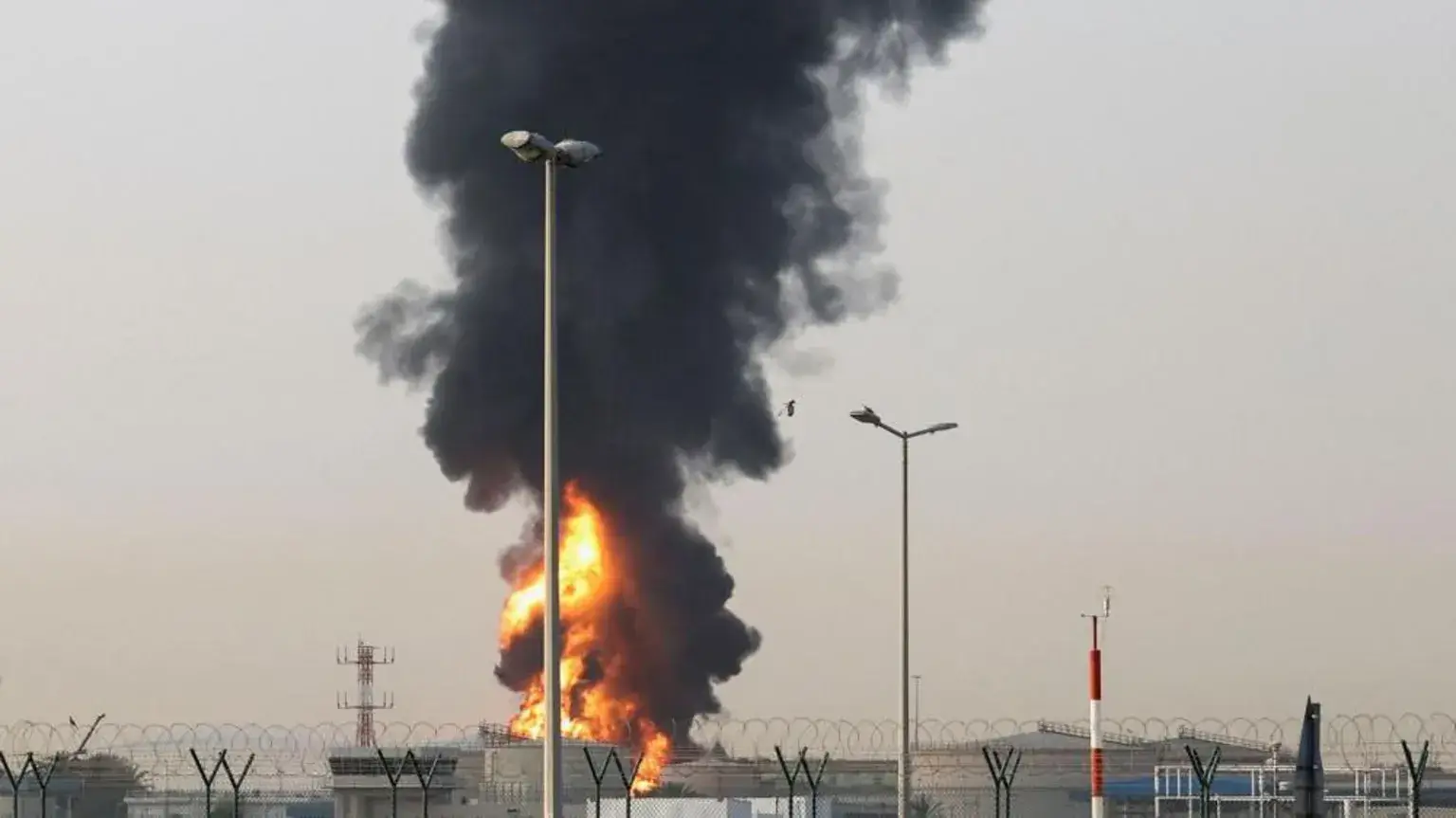
Smoke was seen rising from the Fujairah oil industry area following the interception of an Iranian drone over a port on March 14. This incident has significant ramifications for energy markets, particularly for Qatar, a leading exporter of liquefied natural gas (LNG).
Financial Impact on Qatar’s LNG Exports
Reports from Reuters indicate that the Iranian strike has resulted in a staggering loss of approximately 17% of Qatar’s LNG export capacity, translating to an estimated annual revenue loss of $20 billion. This disruption raises critical concerns about energy supply stability in both Europe and Asia.
Damage Assessment from the Attack
Saad al-Kaabi, Qatar’s energy minister and CEO of state-owned Qatar Energy, confirmed that the airstrike damaged two of the nation’s 14 LNG production trains, as well as one of its two gas-to-liquid facilities. As a consequence, around 12.8 million tons of LNG per year are expected to be removed from the market for a duration of three to five years.
Escalation of Regional Tensions
This attack marks a notable escalation in regional hostilities, with Qatar—one of the world’s largest LNG producers—now facing prolonged outages at a vital facility. Kaabi expressed his disbelief that such an attack occurred during Ramadan and from what he referred to as a “brotherly” Islamic nation.
Force Majeure Declared
As a result of the attack, Qatar Energy has been compelled to declare force majeure on long-term supply contracts, affecting shipments to countries including Italy, Belgium, South Korea, and China. Previous force majeure declarations had been brief, but Kaabi indicated that, given the unprecedented scale of the current circumstances, this suspension could persist for several years.
Broader Implications for Global Energy Markets
In a concerning series of strikes, Iran has targeted oil and gas infrastructures across the Gulf just hours before the attack on Qatar. This escalation raises alarms about a potential broader energy crisis, given the targeted infrastructure on both sides. International energy companies, including ExxonMobil and Shell, face significant exposure due to their involvement in the affected LNG and gas-to-liquids facilities, respectively. Repairing the damages could take as long as a year, further straining supply chains.
Geopolitical Uncertainty Heightens
With the suspension of long-term contracts and repairs projected to take years, the attack is poised to tighten global gas markets at a time of heightened geopolitical tension. Buyers, particularly in Europe and Asia, who rely heavily on Qatari supplies, may find themselves facing significant challenges in sourcing alternative energy supplies.
