


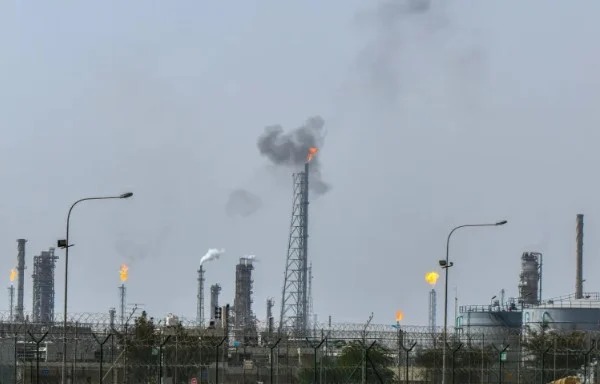
Iran’s Regional Attacks Heighten Tensions in the Gulf
Fresh drone strikes and ongoing firefighting efforts at a significant refinery in Kuwait reflected Iran’s relentless military actions against neighboring countries, accompanied by claims of “no concerns” regarding its missile production.
Kuwait’s Refinery Fire Triggers Regional Instability
On Thursday, a fire broke out at Kuwait’s Mina al-Ahmadi refinery, following an attack on Qatar’s crucial Ras Laffan facility just a day prior. This escalation occurred despite appeals from European leaders to cease assaults on Gulf energy assets.
Iran’s Retaliatory Intentions Following Israeli Attacks
In response to an Israeli airstrike that damaged the South Pars gas field, a strategic asset tapping into the world’s largest gas reserves, Iranian officials vowed retaliation. This robust show of defiance has further strained the region’s already delicate infrastructure, driving oil and gas prices upward and intensifying concerns over the sustainability of global supply.
Israeli Leadership Optimistic Amid Conflict
Israeli Prime Minister Benjamin Netanyahu expressed confidence in the progress of military operations, stating that the conflict with Iran is nearing its conclusion. He asserted that Iran’s capacity to manufacture ballistic missiles has been severely compromised.
Iran’s Missile Production Unhindered Despite Conflict
Amid this turmoil, Iranian leaders have promised to dictate the terms of their involvement, undeterred by targeted assassinations and weeks of bombardment from Israel. Ali Mohammad Naini of Iran’s Revolutionary Guards highlighted the resilience of the country’s missile industry, reaffirming production capabilities despite ongoing hostilities.
Economic Consequences of Attacks on Energy Infrastructure
The missile assault on Qatar’s Ras Laffan facility led to assessments of “significant damage,” with the state’s energy company projecting a staggering $20 billion loss in yearly revenue and a potential five-year repair timeline. Such disruptions threaten to extend energy price surges beyond the conflict, exacerbating inflation and straining consumer spending.
Impending Ground Operations Speculated by Israeli Officials
As hostilities escalate, analysts are watching closely, with suggestions from Netanyahu regarding the potential need for ground forces aimed at regime change in Iran. While details remain scarce, the implications of increased military presence in the region are significant. Oil prices initially dipped following Netanyahu’s comments but regained stability amid reports of the Kuwait refinery fire, with Brent crude hovering around $108 and West Texas Intermediate around $94.
Lebanon’s Humanitarian Crisis Intensifies Amid Warfare
The conflict’s ramifications are acutely felt in Lebanon, where ongoing Israeli shelling in response to rocket fire from Hezbollah has resulted in substantial casualties. The Lebanese Ministry of Health reported over 1,000 fatalities due to the airstrikes. The region is grappling with soaring prices and the social fabric eroded, markedly impacting celebratory occasions like Eid al-Fitr.
Calls for Ceasefire Amid Regional Strife
Lebanese President Joseph Aoun has reiterated calls for a ceasefire between Israel and Hezbollah, urging negotiations to begin in discussions with French diplomats. As people in the region reflect on their circumstances, sentiments of despair overshadow traditional festivities, with many families burdened by economic hardship and displacement.
Navigating Future Security in the Strait of Hormuz
Amid rising tensions and economic concerns sparked by the conflict, French President Emmanuel Macron indicated that France would engage with permanent members of the United Nations Security Council to establish navigation security in the Strait of Hormuz, though this would only follow a cessation of hostilities.
