


Pro-Iranian Hackers Leak Emails from FBI Director’s Account
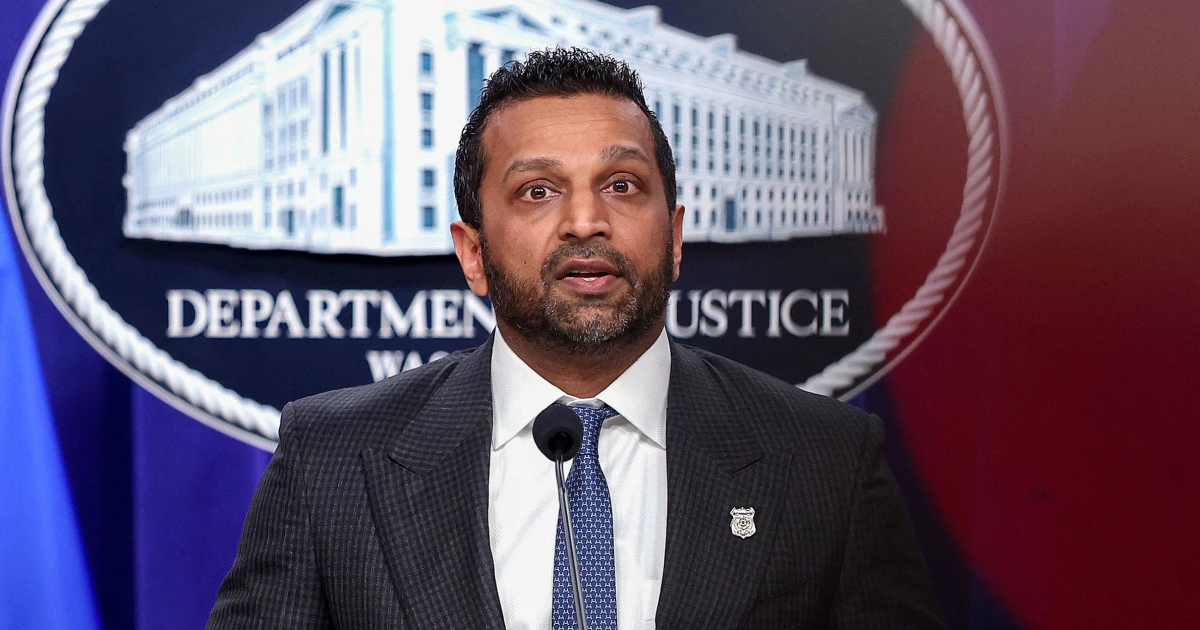
On Friday, a group of pro-Iranian hackers made headlines by releasing over 300 emails and photos allegedly taken from FBI Director Kash Patel’s personal email account.
FBI Responds to Cyber Incident
An FBI spokesperson confirmed that the agency is aware of the malicious actors behind the breach targeting Director Patel. In a statement, they emphasized that appropriate measures are being taken to address any potential risks. Notably, the leaked information is described as historical and does not include any current government data.
Hackers Claim Retaliation for FBI Actions
The hacker collective, known as Handara, asserted on its website that the breach was a direct response to recent actions taken by the FBI and Justice Department, which involved the seizure of multiple websites they manage. They accused the U.S. government of conducting a “psychological operation” and linked their operations to Iran’s Ministry of Intelligence and Security. In response to threats to U.S. critical infrastructure posed by Iranian hackers, the State Department has offered a reward of up to $10 million for information leading to their apprehension.
Recent Cyber Attacks Attributed to Handara
Earlier this month, Handara also claimed responsibility for a significant cyber attack against Stryker, an American medical technology supplier. This incident marked one of the most destructive cyber assaults on a U.S. company amid ongoing tensions between Iran, the United States, and Israel.
Verification of Leaked Information Remains Elusive
While NBC News did not forensically verify the authenticity of all released emails, the group published several previously unseen photos of Patel. Through reverse image searches, NBC confirmed that these images had not been publicly available before. The emails appear to originate from a personal Gmail account associated with Patel, as indicated in public records, though Gmail has not responded to inquiries regarding the breach.
Hacker Group Promises More Revelations
On Thursday, Handara communicated via its Telegram channel that the FBI “should not have initiated a conflict” with them. They hinted at releasing evidence of what they labeled the “biggest security breach in the past decade,” although the channel has since been removed from the platform. Telegram did not respond to media requests for comment.
Nature of Leaked Emails and Previous Cyber Threats
The majority of the leaked emails date between 2010 and 2012, with the most recent item being a receipt for an airline ticket from 2022. Notably, an email dump from 2014 shows Patel utilizing his Justice Department email to send links to both his official and personal accounts. The content of many emails revolves around personal communications with family members, including photos that suggest Patel was traveling to Cuba.
Background on Cyber Threats Targeting U.S. Officials
U.S. officials revealed in late 2024 that Patel had been under threat from Iranian cyberattacks even prior to his appointment as FBI director, indicating that hackers were actively seeking his communications. As the 2024 election approached, the FBI, Microsoft, and Google disclosed that Iranian-affiliated hackers had attempted to compromise various politicians, targeting associates of both Donald Trump and Joe Biden.
Ongoing Risks and Previous Hacking Controversies
While no files from the Democratic Party were leaked during this incident, a hacker known as “Robert” approached media outlets with stolen vetting documents related to potential vice presidential candidates for Trump. However, these files were not released by major news organizations, and no new significant information has emerged from them. Allegations also surfaced regarding Handara’s exaggerated claims of hacking various companies, including a denial from Verifone, which stated no disruption occurred in their systems.
Expert Analysis on Cybersecurity Implications
Alex Orlins, head of threat intelligence at Sublime Security, remarked that the evidence suggests Iran had previously compromised Patel’s account, strategically holding the information until now. He speculated that the Iranian hackers might be waiting for an opportune moment to release further damaging materials. Given the ongoing controversies surrounding Patel, some experts believe that the focus should have shifted toward releasing more current and relevant content.
