


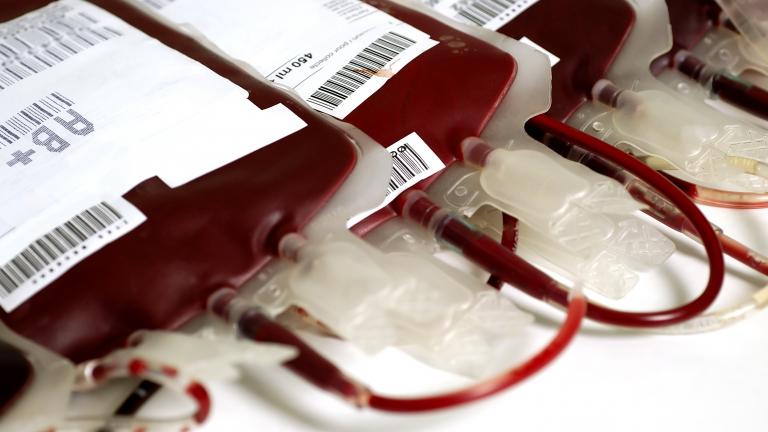
Jehovah’s Witnesses Update Stance on Blood Transfusions
Jehovah’s Witnesses have recently made significant clarifications regarding blood transfusions, empowering members with the autonomy to decide whether their own blood can be used during surgical procedures and medical interventions. This important shift maintains a prohibition against receiving blood from others but allows for individual discretion in life-saving scenarios.
Religious Perspectives and Biblical Interpretation
In a video statement released this past Friday, Gerrit Resch, a member of the Governing Body, outlined the intention behind this clarification. He emphasized the importance of allowing Christians the freedom to make personal choices regarding the use of their own blood in medical contexts. Resch pointed out that while Jehovah’s Witnesses are mandated to abstain from blood, the scriptures do not address the use of one’s own blood for medical care.
“Concerning the use of their own blood, Christians should determine for themselves how their blood is managed during surgical interventions and medical treatments,” Resch stated. He referenced biblical teachings from the Law of Noah and Moses, asserting that contemporary Christians are not obligated by the command to discard blood. He noted, “The Bible is silent on the topic of utilizing one’s own blood in medical or surgical care.”
Resch highlighted that numerous members have already embraced treatments involving their blood, such as blood tests, the use of heart-lung machines, and kidney dialysis. This new guidance grants Christians the choice regarding whether their blood is removed, processed, and returned during surgery.
“After thorough prayer and biblical review, the Governing Body has decided to clarify our stance on the handling of patients’ own blood in medical settings,” Lesh elaborated. “While some Christians may opt to have their blood stored for later use, others may decline. Each individual must navigate their own beliefs in relation to this aspect of medical care,” he added.
Nigeria in Focus: The Antiestor Case
The conversation surrounding blood transfusions gained renewed urgency in Nigeria following the death of cancer patient and social media figure Mensah Omolola, known as Aunty Esther. She passed away in December 2025 after publicly refusing a doctor-recommended blood transfusion, opting instead for alternative treatments fueled by support from Nigerians who contributed over £30 million.
Despite warnings from her church about potential disciplinary actions, including disfellowshipping, she adhered to her beliefs. Her passing ignited a nationwide discussion about the complex interplay between religious convictions and medical advice. The recent updates from Jehovah’s Witnesses allow members to make personal decisions regarding blood use that align with both their faith and the advancements of modern medicine.
The Historical Context of Blood Avoidance
The aversion to blood transfusions has long been a core principle for Jehovah’s Witnesses, grounded in biblical doctrines rather than health concerns. A statement issued in 2019 aimed to clear common misunderstandings and underscored that Jehovah’s Witnesses do indeed accept medical treatment. “God views blood as symbolizing life, which is why we avoid it—not only out of adherence to divine mandates but also in reverence for God, the Giver of life,” the statement elaborated.
This guidance is derived from various passages in both the Old and New Testaments, including Genesis 9:4, Leviticus 17:10, Deuteronomy 12:23, and Acts 15:28-29. For decades, Jehovah’s Witnesses have actively pursued the best available medical care, integrating the latest techniques that align with their beliefs.
The statement also dispelled myths, clarifying that Jehovah’s Witnesses do not depend on faith healing and that abstaining from blood transfusions does not invariably result in adverse health outcomes. Innovative bloodless techniques such as cell harvesting, cardiopulmonary bypass, and dialysis enable patients to receive high-quality medical care while remaining true to their religious principles.
