


Political Turmoil Disrupts Governance in Kano State
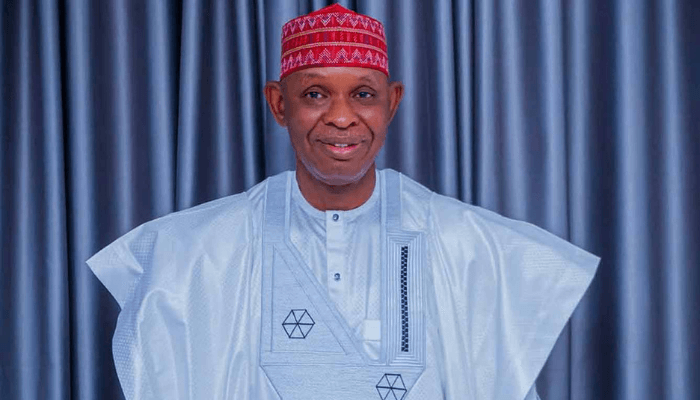
Recent weeks have seen a significant slowdown in governance activities in Kano State, as political defections and internal power struggles reshape the political landscape. This disruption follows a dramatic defection by Governor Abba Kabir Yusuf from the Kwankwasiya political movement, which is associated with the New Nigeria People’s Party, to the ruling All Progressives Congress (APC).
Defections Reshape Political Coalitions
Governor Yusuf’s shift, accompanied by over 30 members of the Kano State House of Assembly, has fractured the once cohesive Kwankwasiya bloc that originally propelled him to power. Shortly thereafter, prominent political figure Rabiu Musa Kwankwaso announced his own defection to the African Democratic Congress (ADC), further deepening the rift and igniting a fierce battle for political influence throughout the state.
Impact on Governance Operations
An investigation by BusinessDay reveals that these political tensions are beginning to hinder the day-to-day functioning of government agencies. The resignation of the lieutenant governor has created a notable power vacuum. Aminu Abdulsalam Gwarzo, who remained loyal to Kwankwaso following the governor’s departure, resigned amid growing pressures from parliamentary members pursuing impeachment proceedings against him.
Power Struggles Within the APC
This impeachment effort is widely viewed as part of a broader strategy to fortify the governor’s new political coalition. Gwarzo’s exit leaves Kano without a deputy governor, a situation that may persist for several weeks, as Governor Yusuf has yet to appoint a successor. Internal disagreements within the APC’s Kano leadership have contributed to this delay, with factions divided over potential candidates.
Cabinet Instability and Policy Stagnation
Political unrest has also begun to infiltrate the state executive council, leading to the resignation of at least five committee members and several senior aides. These departures are further undermining the administration’s operational capacity. Sources within the Governor’s office suggest that Governor Yusuf is currently assessing his cabinet and may initiate a major reshuffle to establish a stable political foundation within the APC.
Decline in Civil Service Productivity
The uncertainty permeating the political sphere also appears to be dampening morale within the state bureaucracy. Observations at the Odu Bako Secretariat, the administrative hub of the state government, indicated a noticeable dip in productivity during standard working hours. Many employees were found arriving significantly late or leaving before the official close of business, with some offices seeming nearly devoid of staff.
Lack of Official Communication and Future Uncertainties
Efforts by BusinessDay to secure an official response from the Kano State government were unsuccessful. Attempts to reach the governor’s spokesperson were also unfulfilled, as he was reportedly unavailable. Political analysts caution that governance in Kano may stagnate unless the administration promptly addresses the deputy governorship vacancy and stabilizes its cabinet. They note that the state is currently navigating a precarious transitional phase, during which the governor is adapting to a new political environment as the previous structures crumble. For residents of Kano, the ongoing political realignment raises concerns about the future of governance in one of Nigeria’s most politically significant states.
