


Kenya Maintains Interest Rates Amid Global Tensions
On Wednesday, the Central Bank of Kenya (CBK) announced that it would keep its benchmark interest rate at 8.75%, halting a nearly two-year trend of rate cuts. This decision comes as uncertainties regarding the ongoing conflict in the Middle East have begun to cloud the inflation landscape.
This move aligns with market expectations and follows a recommendation from the Kenya Bankers Association (KBA) to maintain the current policy rates in light of escalating external risks.
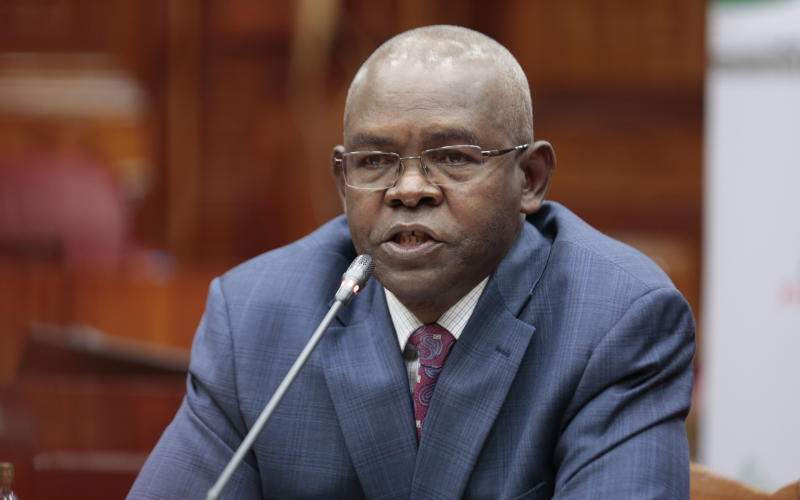
During the Monetary Policy Committee’s second meeting of the year, CBK Governor Kamau Tuge highlighted the bank’s concerns over global supply disruptions and rising energy costs. He noted that “the Middle East conflict is disrupting global supply chains, significantly increasing energy prices and raising risks to the global economic outlook.”
The KBA previously urged the central bank to keep interest rates steady, citing challenges posed by high oil prices and ongoing supply chain pressures that could destabilize inflation and currency values. As a result, East African nations now join Egypt, Ethiopia, South Africa, Morocco, Angola, and Mozambique in suspending any interest rate reductions, as geopolitical tensions and soaring energy costs increasingly complicate the policy environment across Africa.
Since late February, escalating tensions involving the United States, Israel, and Iran have seen global oil prices soar above $100 per barrel, raising fears of persistent supply disruptions. The Strait of Hormuz, a vital passage transporting about 20% of the world’s oil supply, has garnered significant attention as tanker disruptions have led to heightened volatility in energy markets.
The rising costs of imported fuel are beginning to affect African economies swiftly. Increased fuel prices are likely to result in higher transportation costs, which could elevate food and production expenses, thereby diminishing purchasing power and potentially reversing recent inflation trends.
A joint report from the African Union and the African Development Bank warns that if geopolitical tensions persist for more than six months, Africa’s GDP growth could potentially decline by at least 0.2 percentage points this year. In Kenya, the repercussions are already evident; private sector activity declined to an eight-month low in March, with S&P Global’s latest Purchasing Managers’ Index dropping to 47.7 from 50.4 in February, marking the first downturn since August.
Moreover, inflation has also increased for the first time in three months, driven by rising food and energy costs, according to the Kenya National Bureau of Statistics. Notably, food and non-alcoholic beverages have seen a rise of 7.7%, transportation costs jumped by 3.8%, and housing and utilities went up by 2.0%. These categories collectively account for over half of the consumer price index.
However, global oil prices experienced a slight reprieve on Wednesday, tumbling below $100 per barrel following news of a ceasefire agreement between the United States and Iran, alleviating immediate supply concerns. Brent crude oil and U.S. West Texas Intermediate (WTI) saw declines of 14% to 17% in early trading, settling in the low-to-mid $90s range as markets adjusted their expectations following weeks of escalating geopolitical risk.
