


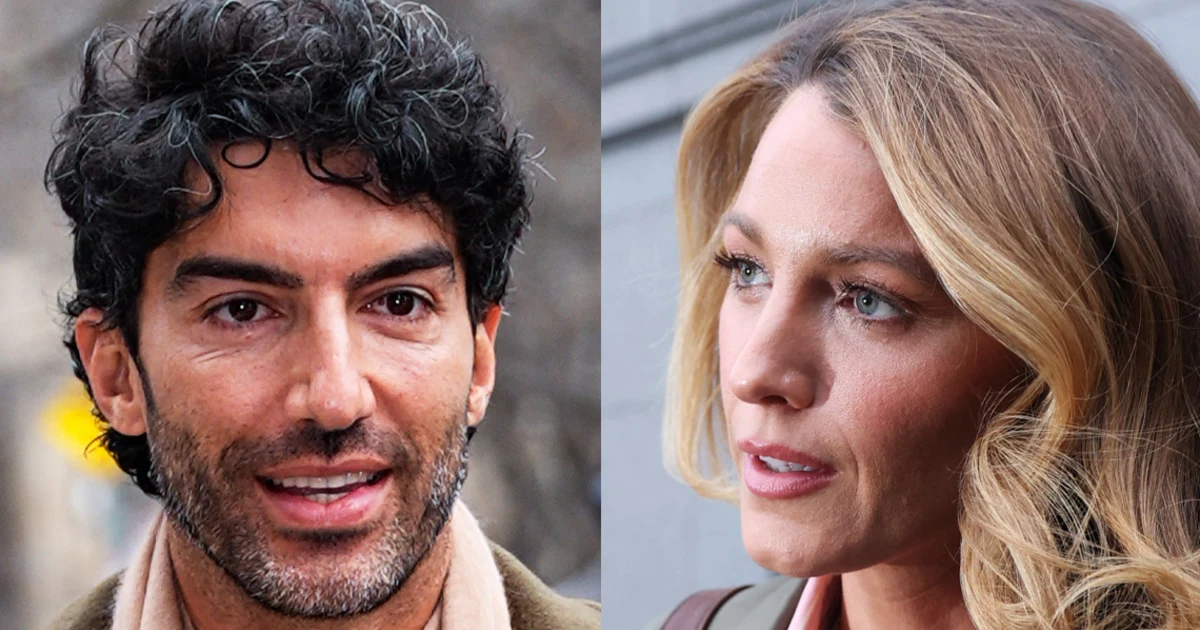
The Lawsuit Against Justin Baldoni Faces Legal Setbacks
The ongoing legal dispute between Blake Lively and Justin Baldoni, co-stars of the film “It Ends With Us,” took a significant turn as a federal judge dismissed a major sexual harassment claim against Baldoni. The decision has narrowed the case significantly, impacting the legal landscape ahead of the upcoming trial.
Blake Lively accused Justin Baldoni of sexual harassment during the production of “It Ends With Us,” a film based on Colleen Hoover’s novel. Lively alleges that Baldoni’s production company, Wayfarer Studios, retaliated against her after she raised concerns about alleged misconduct on set.
In a ruling delivered by U.S. District Judge Louis Lehman, 10 out of Lively’s 13 claims were dismissed, leaving three remaining allegations slated for a jury trial on May 18, unless the parties can reach a settlement beforehand.
Lively’s Allegations of Misconduct
Upon going public with her accusations in December 2024—four months after the film’s theatrical release—Lively first lodged a complaint with the California Department of Civil Rights before escalating her grievances to a federal lawsuit. The lawsuit claims Baldoni created a hostile work environment and engaged in sexual harassment.
In an amended complaint filed in February, Lively’s legal team noted instances of Baldoni allegedly making inappropriate comments, forcing unwanted sexual content into conversations, kissing her without consent, and delving into personal topics such as his pornography addiction. They also asserted that Baldoni and Wayfarer Studios orchestrated a coordinated retaliation campaign aimed at suppressing her voice, significantly harming her reputation and career.
The lawsuit cited 13 allegations, including violations of Title VII of the Civil Rights Act of 1964, which forbids employment discrimination on sex and other grounds. Lively is seeking unspecified compensatory and punitive damages.
Baldoni’s Defense and Countersuit
Justin Baldoni’s legal counsel, led by Brian Friedman, has characterized Lively’s accusations as entirely unfounded. Additional defendants, including Wayfarer CEO Jamie Heath, have also denied any wrongdoing.
In January 2025, Baldoni countersued Lively and her husband, actor Ryan Reynolds, alleging defamation and extortion. He claimed the couple attempted to sabotage his reputation, using Lively’s grievances as leverage to take control of the film project. Additionally, Baldoni filed a defamation lawsuit against The New York Times regarding an article discussing Hollywood’s media landscape, although both suits were dismissed by Judge Lehman last year.
Judge Lehman’s Analysis
In his detailed ruling, Judge Lehman rejected most of Lively’s allegations, establishing a clearer trajectory for the upcoming trial. He concluded that Lively was an independent contractor rather than an employee, which precludes her from pursuing a sexual harassment claim under Title VII.
Lehman posited that Lively’s allegations, including claims of unwanted contact, should be contextualized within the creative process of filmmaking. He acknowledged that while such conduct could potentially warrant a hostile work environment claim in a traditional workplace, the unique environment of a film set warranted different considerations.
Despite dismissing the majority of claims, Lehman agreed to proceed with jury considerations on three allegations: breach of contract, retaliation, and aiding and abetting retaliation. He noted that certain actions could demonstrate a material alteration in Lively’s career trajectory.
Next Steps in the Case
Sigrid McCauley, a member of Lively’s legal team, expressed confidence in the forthcoming trial, emphasizing the necessity to address online retaliation and its severe implications. McCauley reiterated that the focus remains on Lively’s plight as someone standing up for workplace safety.
Meanwhile, Baldoni’s attorneys voiced satisfaction over the dismissal of the harassment claims, appreciating the court’s thorough examination of the evidence. They highlighted the narrowed scope of the case and expressed readiness to defend against the remaining allegations in court.
