


Africa’s Human Capital Gap and Women’s Leadership Development
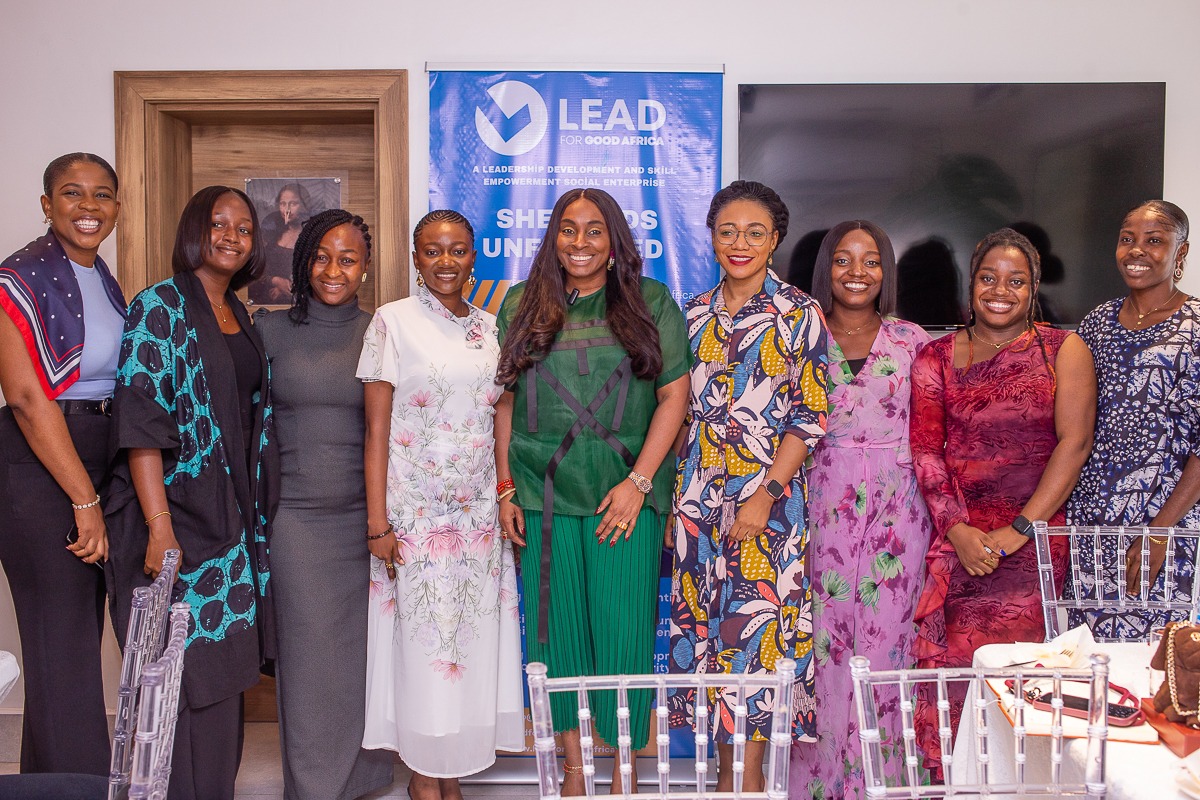
As Africa navigates significant human capital challenges, the continent is witnessing the emergence of innovative initiatives aimed at empowering its young population. Lead for Good Africa recently concluded the third edition of its flagship program, Built to Last, which attracted 167 participants from seven African nations, focusing on enhancing women’s leadership capabilities.
Long-Term Vision for Sustainable Impact
This initiative aims to inspire women to transcend short-term achievements and establish enduring systems that can generate long-lasting effects across the continent. The program was executed in two segments: a virtual summit held on March 14, 2026, followed by an in-person brunch in Lagos on March 19.
The Call for Values-Based Leadership
During the summit, CEO Chinonso Clark underscored the pressing need for values-driven leadership throughout Africa. He articulated that the continent’s transformation challenges hinge more on human resources than on mere economic capabilities. Clark encouraged participants to embody the qualities of builders—those who possess a bold vision, resilience, and strong character—adding that sustainable development requires intentional investments in human capital.
Emphasis on Structure and Relational Capital
The discussions highlighted the significance of structure, clarity, and relational capital within leadership. Speakers reiterated that meaningful and sustainable impact is fundamentally based on systems that foster long-term value. Participants were motivated to reevaluate their leadership styles, recalibrate their priorities, and adopt patient strategies over the allure of immediate gains.
Interactive Conversations and Real-World Perspectives
The momentum carried into the Lagos brunch, where participants engaged in lively discussions about the complexities of career advancement, entrepreneurship, identity, and effective leadership. Osai Alilu, CEO of Aspire Coronation Trust (ACT) Foundation, emphasized the necessity of long-term thinking. She argued that those pursuing a significant impact must prioritize lasting results instead of transient achievements.
Commitment to Grassroots Empowerment
In addition to the leadership dialogue, Lead for Good Africa showcased its commitment to grassroots empowerment through programs like “She Learns to Earn,” offered at the Skills Empowerment Center in Ojo, Lagos State. This initiative trains women in vocational skills, including Ankara bag production, allowing them to create sustainable income streams and foster entrepreneurship.
A Holistic Approach to Capacity Building
Clark emphasized that the integrated model adopted by the organization—combining leadership development with economic empowerment—reflects a holistic approach to cultivating human capital. By altering mindsets and creating practical opportunities, the initiative aims to ensure Africa’s burgeoning workforce, particularly women and youth, is ready to lead, innovate, and substantially contribute to economic growth.
