


George H.W. Bush’s Pledge and its Political Fallout
During the 1988 Republican National Convention in New Orleans, George H.W. Bush famously declared, “Read my lips. No new taxes.” Initially, this pledge helped him secure the presidency. However, after raising taxes, he faced significant backlash from Republican activists. It is widely believed that this broken promise contributed to his difficulties in maintaining support within the party and ultimately hindered his re-election bid.
Trump’s Aggressive Stance on Iran in the 2024 Election
Fast forward to today, President Donald Trump is positioning himself as a strong opponent to Iran ahead of the 2024 election, pivoting from his previous “new anti-war” platform. Trump argues that military intervention is essential to prevent Iranian leaders from acquiring nuclear weapons and further destabilizing global security.
Internal Divisions Emerge Within Trump’s Coalition
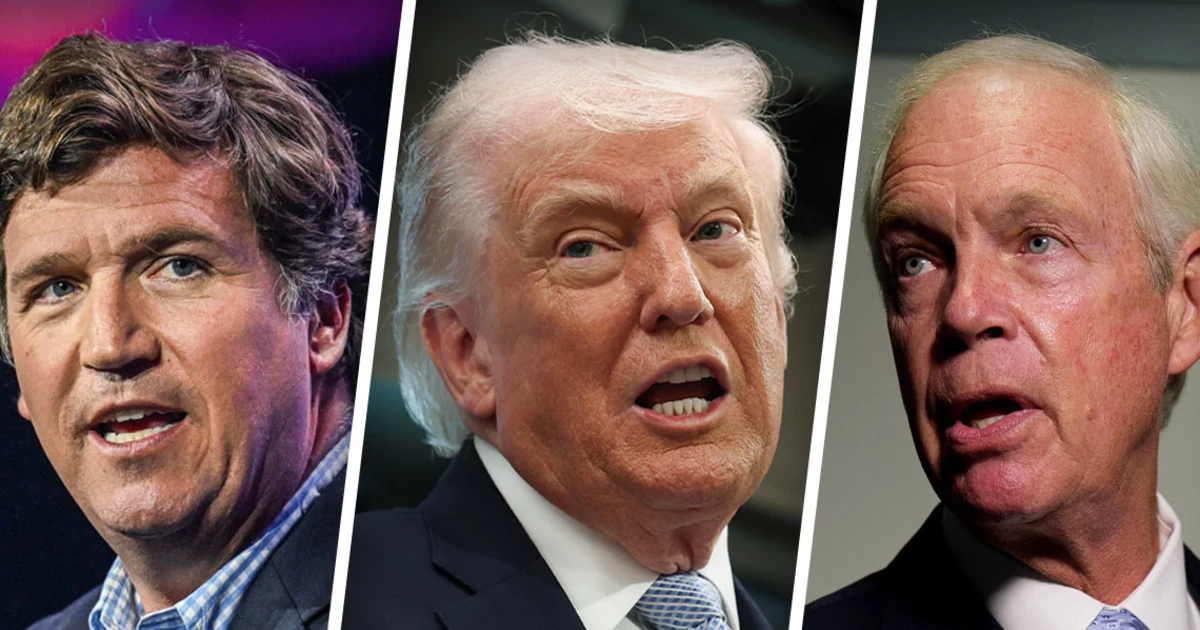
This shift has introduced notable friction within the “Make America Great Again” movement. Prominent conservative figures, including some of his former allies, are increasingly vocal in their opposition. Media personalities, Republican lawmakers, and public opinion polls indicate rising dissent against Trump’s current approach to Iran.
Conservative Voices Challenge Trump’s Policy Decisions
A roster of conservative celebrities expressing discontent with Trump’s handling of relations with Iran includes Tucker Carlson, Alex Jones, and former Rep. Marjorie Taylor Greene. Their critiques underscore a growing unease among those who traditionally supported Trump, suggesting that he may be straying too far from the principles that initially garnered him widespread support.
Calls for Restraint from Within the Party
Figures like Mike Cernovich have expressed concern about Trump’s military strategy, arguing that pursuing a war agenda could jeopardize his electoral chances in 2024. Cernovich specifically pointed out that Trump’s foundational appeal rested on a cultural wave rather than militaristic ambitions, indicating a fundamental disconnect between Trump’s current path and the sentiments that propelled him into power.
Widespread Criticism of Trump’s Militaristic Rhetoric
Media personalities like Jenna Ellis have voiced troubling concerns over Trump’s threatening rhetoric regarding Iran, labeling it indicative of a leader who feels increasingly untethered from accountability. With a potential to govern with an iron fist, critics warn that Trump’s approach may escalate into severe geopolitical consequences.
Congress Faces Challenges with Military Actions Against Iran
Simultaneously, Congress appears to be at an impasse regarding military actions in Iran. Several Republicans, like Sen. John Curtis of Utah, are advocating for complete congressional approval before any military action, stressing the importance of oversight. Moreover, a Morning Consult poll indicates that public support for Trump is dwindling, especially in competitive districts, suggesting that his aggressive foreign policy stance may be undermining his appeal not only to constituents but across party lines.
Broader Political Implications as Support Falters
As the war continues, public approval ratings for Trump have faltered, with rising gas prices and public war fatigue contributing to his waning popularity. Data shows that Trump’s strong support among Republicans has diminished, further complicating his ability to influence key congressional decisions. In this heated political landscape, Trump’s actions in the coming months will undoubtedly shape his legacy, impacting not only his remaining time in office but also the future of the Republican Party.
