


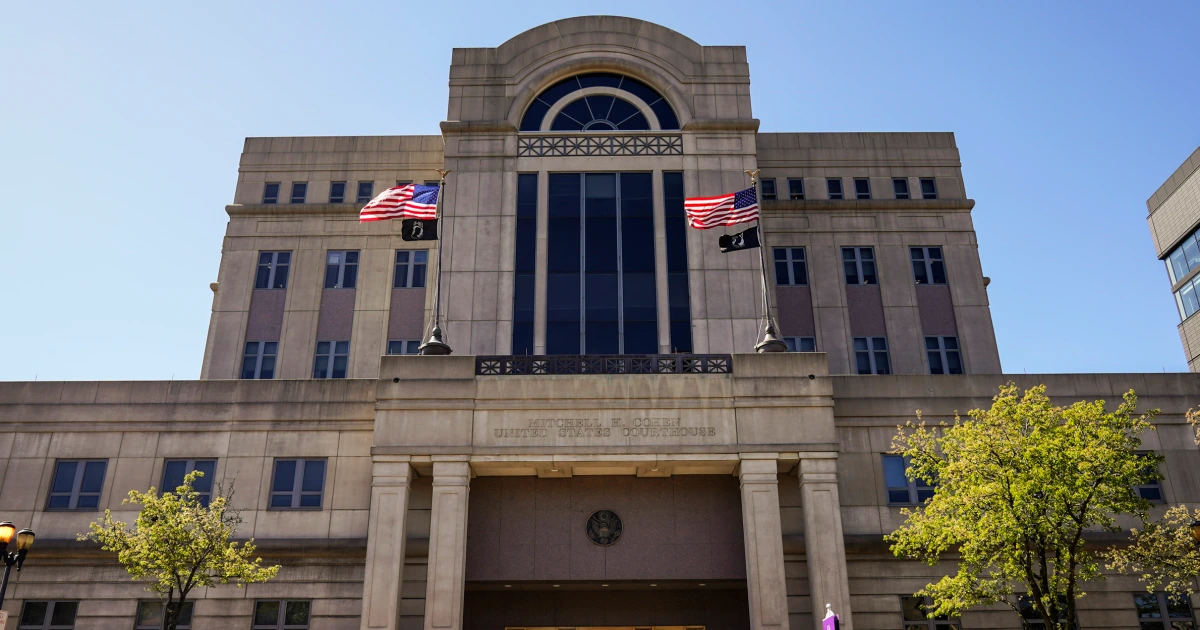
New Leadership at U.S. Attorney’s Office for New Jersey Marks End of Legal Turmoil
After months of legal disputes and significant personnel shifts, the U.S. Attorney’s Office for the District of New Jersey is set to be led by seasoned prosecutor Robert Frazier. His appointment follows successful negotiations involving a federal judge and the Trump administration.
Experienced Prosecutor Takes Helm
Robert Frazier brings over two decades of experience to his new role, having served in the New Jersey U.S. Attorney’s Office as senior trial counsel. He is now positioned as the state’s primary federal prosecutor, ushering in a new chapter for the office.
Court Order Validates Appointment
On Monday, the district’s chief judge issued a brief order confirming Frazier’s appointment. In a letter sent out the same day, assistant U.S. attorneys from the office indicated that this decision followed fruitful discussions between the District Court and senior officials at the Department of Justice.
Justice Department Responds to Appointment
The Justice Department did not provide comments when asked for further details. However, a spokesperson expressed gratitude to the New Jersey judge for collaborating with the Department to ensure the smooth resumption of criminal prosecutions, avoiding unnecessary delays.
Amplifying Turmoil Surrounding Previous Leadership
This change comes after a turbulent year marked by political maneuvering when President Trump appointed Alina Haba, one of his former personal attorneys, as the interim U.S. attorney for the district in March 2025. Haba was eventually nominated for the permanent position, but the Senate took no action on her nomination. Following the expiration of her interim term, a New Jersey district judge appointed her first aide, Desiree Lee Grace, to the role, although this move was criticized as politically motivated.
Controversy and Criticism in Prosecutorial Leadership
Attorney General Pam Bondi dismissed Grace shortly after her appointment, asserting that it was driven by political considerations. Attempts to reappoint Haba sparked legal challenges, culminating in a ruling by U.S. District Judge Matthew Brann deeming Bondi’s actions illegal, a decision upheld by the Third U.S. Circuit Court of Appeals. In an unconventional approach, the Justice Department then attempted to appoint three prosecutors in leadership roles, facing significant backlash from district judges concerned about the potential effectiveness of this leadership structure.
Political Friction Continues to Shape Office Dynamics
As these events unfolded, there were indications that Haba may have continued to exert influence from behind the scenes. Following Frazier’s appointment, Haba congratulated him and expressed confidence in his capabilities, advocating for a unified mission at the Justice Department.
Senatorial Critique of the Administration’s Actions
New Jersey Senators Cory Booker and Andy Kim issued a joint statement criticizing the administration’s approach leading up to Frazier’s appointment. They condemned attempts to undermine the Senate’s constitutional role in the nomination of federal prosecutors and expressed hopes for a productive partnership with Frazier moving forward. The senators affirmed the need for the Office to transcend the political turmoil of the past year and refocus on its critical missions, including combating violent crime, public corruption, drug trafficking, and safeguarding the rights of all New Jerseyans.
Legal Challenges Highlight Broader Issues in Prosecutorial Appointments
Incidents of illegal appointments have been noted in other districts, such as the Eastern District of Virginia, where a federal judge ruled against the appointment of Lindsay Harrigan following controversy over his prosecutorial conduct. Similar situations occurred in the Northern District of New York, emphasizing ongoing challenges within the framework of interim prosecutorial appointments across various jurisdictions.
