


Federal Ministry of Agriculture and EU Launch Twinning Project to Enhance Nigeria’s Agricultural Sector
The Federal Ministry of Agriculture and Food Security, in collaboration with the European Union and various member states, has introduced the Twinning Project aimed at fortifying Nigeria’s agricultural value chains and advancing food sovereignty. This initiative, unveiled in Abuja on Wednesday, underscores a strategic partnership with the EU and member nations including the Czech Republic, Austria, and Latvia.
This collaborative effort seeks to facilitate Nigeria’s transition toward a more resilient and sustainable agricultural framework through the integration of climate-smart technologies and enhancement of institutional capacities. The project is designed to address the pressing challenges faced by the agricultural sector, which plays a pivotal role in the nation’s economy, employing a significant portion of the population.
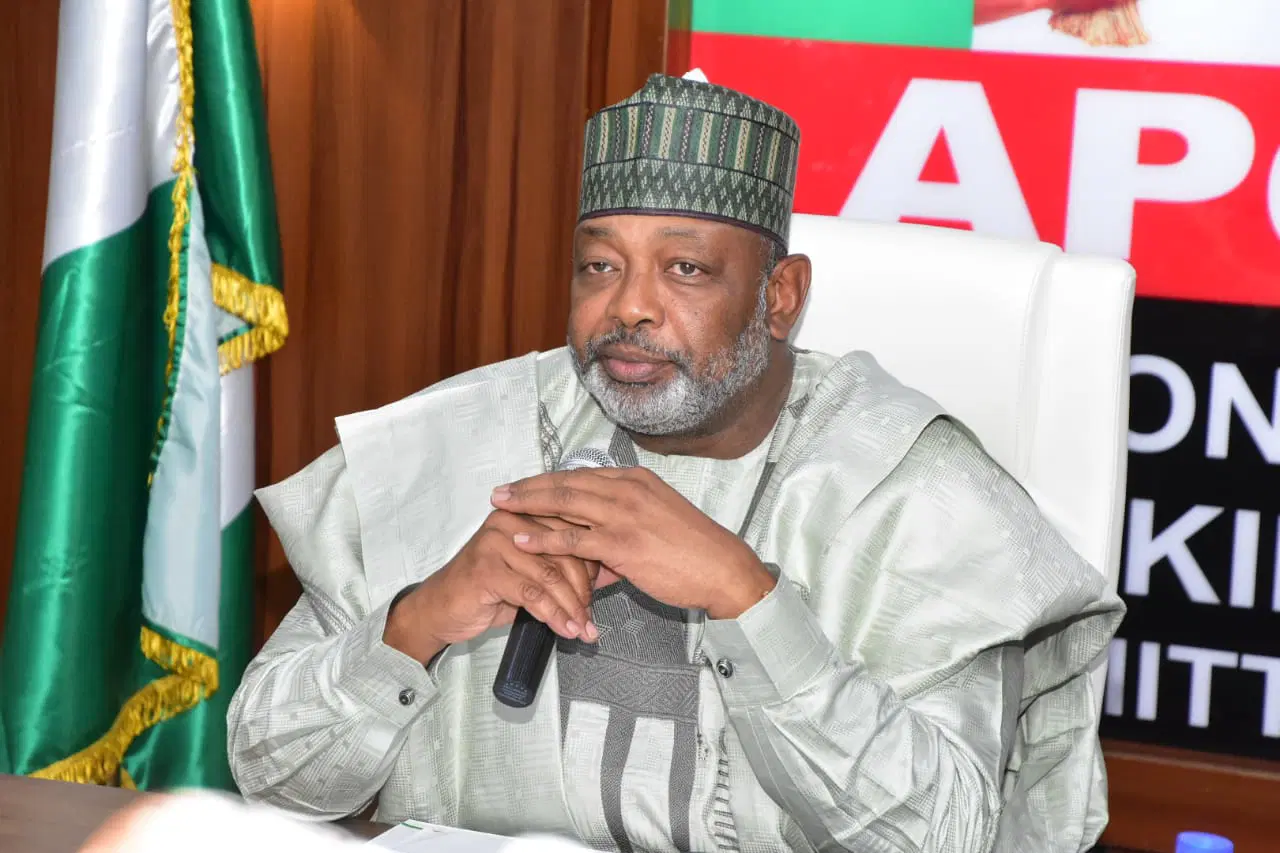
During the launch, Minister of Agriculture and Food Security, Senator Abubakar Kyari, representing Senator Aliyu Sabi Abdullahi, described the initiative as a significant milestone in Nigeria’s agricultural transformation agenda. He emphasized that this project aligns with the federal government’s broader objectives of revitalizing agriculture as a catalyst for economic growth, job creation, and enhanced food security.
Nigeria’s agricultural sector, while central to the economy, encounters various structural hurdles, including low productivity, frail value chains, substantial post-harvest losses, and heightened vulnerability to climate change. Despite multiple policy interventions, these challenges persist, often stemming from gaps in implementation, restricted institutional capacity, and insufficient coordination across value chains.
The twinning project aims to champion climate-smart agriculture and bolster sustainable food systems in Nigeria. Abdullahi highlighted that it will enhance ongoing efforts related to irrigation development, dry season agriculture, mechanization, and improved access to essential inputs such as fertilizers and climate-resilient seeds. Additionally, the initiative will support a thorough review of the National Agricultural Resilience Framework (NARF) to align Nigeria’s agricultural policies with global standards.
Gautier Mignot, the EU Ambassador to Nigeria and ECOWAS, remarked that the partnership is intended to bridge the divide between policy formulation and execution within Nigeria’s agricultural sector. He underscored that tackling food insecurity requires not just investments but also robust institutions and effective policies. The project aims to identify key shortcomings and propose actionable recommendations to foster meaningful improvements for farmers, agribusinesses, and rural communities.
Mignot further noted that strengthening institutional frameworks and promoting climate-smart practices will likely enhance productivity, mitigate post-harvest losses, and reduce environmental risks. He also affirmed that the program aligns with EU priorities, focusing on climate-resilient agriculture, inclusive growth, and employment opportunities, particularly for young people and women.
In recent years, the federal government has intensified efforts to elevate agricultural productivity through strategic investments in irrigation, mechanization, digital agriculture, and enhanced access to essential resources. However, the realization of these policies into tangible outcomes remains a significant obstacle, emphasizing the necessity for fortified institutional structures and international technical cooperation.
Mr. Ibrahim Tanim, the Ministry’s Director-General for Planning and Policy Coordination, highlighted the importance of collaboration that leverages technical expertise from both European institutions and Nigerian specialists. He noted that the project will concentrate on pivotal areas of agricultural policy and climate-smart development, ultimately bolstering resilience across the sector.
